Nie znaleziono żadnych wyników.
Wszystkie posty

Opóźnienie nie jest problemem. Problemem jest to, jak wykorzystasz ten czas.

autorzy

Nie znaleziono żadnych wyników.

Treść

To będzie adres URL do skopiowania

The delay isn't the problem. The problem is how you use that time.
  • The delay isn't the problem. The problem is how you use that time.
  • Some people just stare at the departure board, while others leave the airport.There are small moments that say more about us than they seem.

Like when your flight is delayed.

You look at the departure board.

At first, patiently. Then with a certain amount of tension.

At first, nothing happens. “It’s only twenty minutes.”

Then half an hour.

An hour.

And time begins to feel different.

Some get up again and again to look at the screen. Others complain. Others resign themselves and wait.

And there are those who do something different.

Because the delay, in itself, isn’t the problem. The problem is what you do with that time.

And that, even if it doesn’t seem like it, says a lot about how you make decisions. And about how your company makes decisions when things don’t go as planned.

Something very similar is happening in companies with the economy and costs.

Give me a few minutes and I’ll explain.

The delay isn't the problem. The problem is how you use that time.
  • Delay as a mirror of how we manage uncertainty
  • From the outside, the story is always the same: uncertainty, shocks, moments that change the course of history.
  • With everything that has happened since January 1st, I’m not telling you anything new.
  • And yet, according to a study by ERA Group, the global economy has held up much better than almost anyone expected.
  • The predicted recession did not materialize.
  • Employment has remained at historically high levels.
  • And despite pandemics, wars, and trade tensions, planes are still flying.
  • That doesn’t mean the journey is comfortable; it means a delay isn’t a cancellation.
  • We often find ourselves in a transitional period. An uncomfortable space where action is still possible.
  • But not everyone does.
  • Some wait until they have all the information. Others hope the context will improve. Others postpone because “now is not the time.”
  • And so, the delay gradually eats away at the margin.
  • And that’s where many companies go wrong: they confuse not knowing the exact arrival time with being lost.
  • The problem isn’t the delay; it’s not knowing what to do in the meantime.At an airport, a delay becomes unbearable when you have no information.

Because we don’t like uncertainty.

And even less so when we’ve paid for a hotel for seven days and lose one because of an unforeseen event.

We can’t do anything about the delay, but we can decide what to do in the meantime: go out, wait, or change our plans.

Something very similar is happening in today’s economy.

The ERA study identifies clear risks.

  • They aren’t new, but they are more visible:
  • declining populations in Europe and China,
  • pressure on public debt,
  • demanding financial markets,
  • and an increasingly unstable geopolitical landscape.
  • None of this happens overnight.
  • Nor will it explode tomorrow.
  • It is a long delay, announced well in advance.
  • And yet, many organizations continue to behave as if the flight were to depart in five minutes.
  • Demographics: When the Boarding Gate Runs Out of PassengersSome airports are crowded, while others have fewer and fewer people waiting.

This means those airports stop operating flights in the winter and, in the summer, only serve the busiest routes.

The same thing is happening with the working-age population.

Europe and China have reached a point where their populations are beginning to shrink or age rapidly, while other regions continue to grow.

According to ERA’s analysis, much of Europe’s employment growth already depends on migration. Without it, there would not be enough people to fill the jobs.

For a CEO or CFO, this is not a sociological observation.

It is an operational variable

That influences where you invest, where you produce, and where you hire.

Ignoring this structural change is like planning an airline route without checking whether there are enough passengers to sustain it.

Opóźnienie nie jest problemem. Problemem jest to, jak wykorzystasz ten czas.
  • Technology: It’s Not a Direct Flight, It’s a Potential Fast TrackEvery so often, the promise of the “direct flight.” The technology that is supposedly going to change everything.

Something similar is happening with artificial intelligence.

The ERA Group study shows positive signs, especially in the United States, where productivity has begun to grow above 2% after

The ERA Group study shows positive signs, especially in the United States, where productivity has begun to grow by more than 2% after years of stagnation.

In Europe, however, the impact has been much more uneven.

There is a reality that is hard to deny: AI can shorten the journey, but it doesn’t do so automatically.

It is not a guaranteed shortcut. It is an infrastructure that must be used wisely.

And, above all, it’s not wise to build financial plans as if the journey were a miracle.

AI can help when you understand everything it can bring to your business.

  • Markets and debt: when tickets were cheap for too longFor years, flying was cheap. Low-cost carriers boomed, and travel became accessible to everyone.

Something similar happened in business and the economy: low interest rates, abundant capital, manageable debt.

Governments and companies grew accustomed to that era.

Now the context is different.

Rates have risen, markets are more demanding, and valuations reflect an optimism that, at the very least, calls for caution.

The study notes that the debt problem is not immediate, but it is cumulative.

It’s not the flight that gets canceled today; it’s the one that, in a few years, will require you to pay more and more for having booked without thinking.

For companies, this translates to less reliance on optimistic assumptions and greater discipline in investment, costs, and financial structure.
Opóźnienie nie jest problemem. Problemem jest to, jak wykorzystasz ten czas.
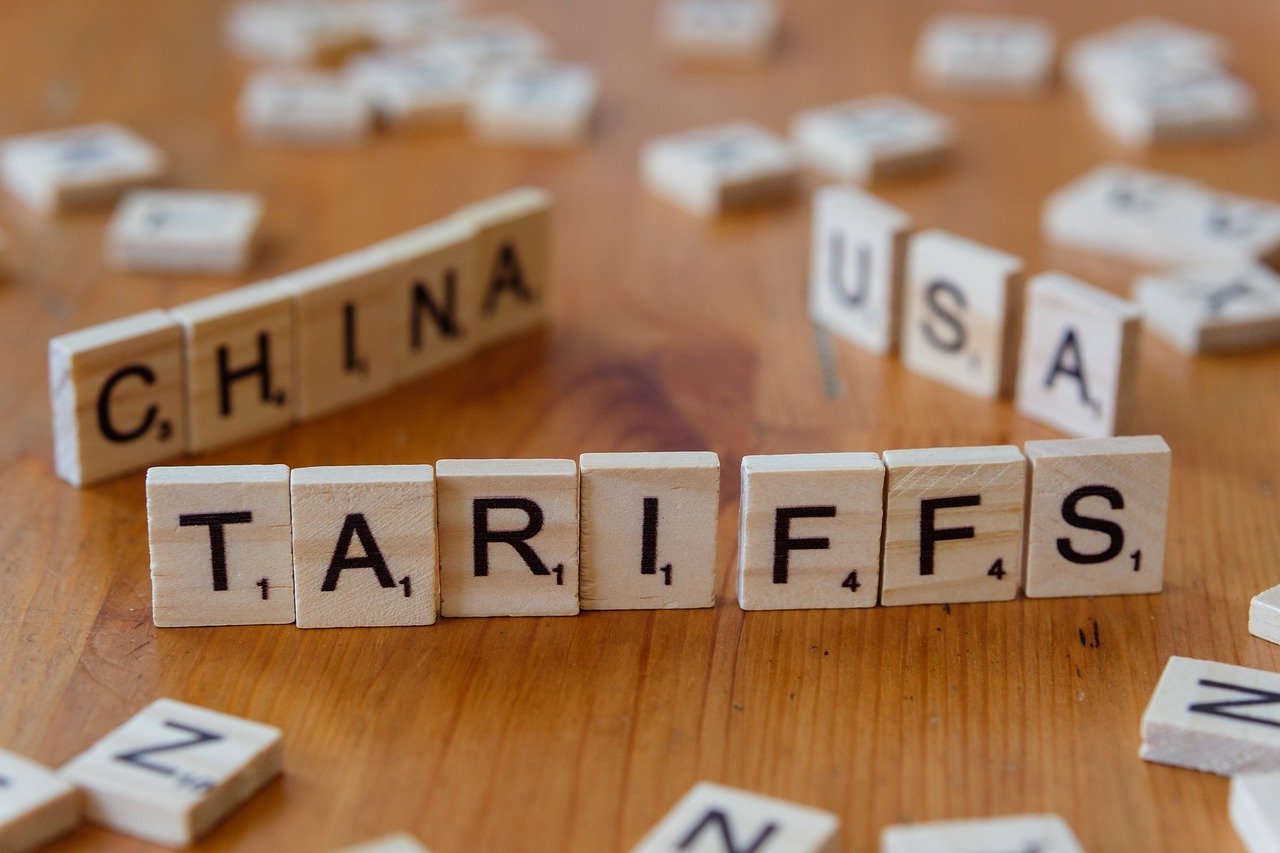
  • Tariffs and Geopolitics: Constant Shifts in the Playing Field
One of the most difficult elements to manage is not so much the cost, but the lack of a stable framework.

Frequent changes in tariffs.

Political decisions that are difficult to anticipate.

An international order that no longer functions as it once did.

It’s like when they change your gate and you’re no longer even sure if you’re in the right terminal.

And in business, there is no clear new standard.

What there is, is the need to continually adapt.

The problem isn’t the change itself.

The problem

  • is not having the leeway to adapt.
  • The famous “resilience”This is where the buzzword usually comes in: resilience.

Put that way, it sounds like it means putting up with everything with a smile, as if you were the star of a motivational poster.

But it’s not about resigning yourself to it.

It’s about not getting stuck staring at the dashboard.

The study points to something more interesting:

The economy has survived many shocks because companies and governments adjusted their decisions, prioritized, and shifted resources.

Resilience isn’t about enduring.

It’s about acting on information and seizing the moment so that, with the tools you have, the waiting time isn’t wasted.

  • Planning for delays is part of the journeyWhen you know your flight is delayed, the smart thing to do isn’t to get even more upset.

It’s deciding:

  • Do I leave the airport or stay?
  • Do I change my route or wait?
  • Do I make the most of my time or waste it?
  • For a company, today that means:
  • Don’t paralyze decision-making out of fear of the current context.
  • Don’t overreact to every headline.
  • And don’t ignore structural changes by focusing solely on the short term.
  • Because, in the end, leaders who combine short-term prudence with action on fundamental changes are the ones who are best positioned when the flight finally takes off.
The delay isn't the problem. The problem is how you use that time.
  • Cost optimization is about making better use of time.

From this perspective, cost optimization isn't about cutting back.

It’s about seizing the moment, even when it seems bad for business.

Seen this way, optimizing costs involves:

  • Reviewing structures with less favorable scenarios in mind.
  • Investing in technology that delivers real returns, not just promises.
  • Aligning operations with demographic and geographic realities.
  • Avoiding financial commitments based on unrealistic assumptions.
  • And making decisions before the delay becomes an emergency.
  • Because the delay is already here.
  • The difference isn’t in who complains the most, but in who leaves the airport, makes the most of their time, and returns with a buffer.
  • And when the flight finally boards, it becomes clear who understood the journey and who spent hours staring at the departure board, waiting for someone else to decide for them.
  • If you want to take control and seize the moment to optimize your company’s costs, just reach out to me.
  • Dziękujemy za przeczytanie tego tekstu.
  • 𝗙𝗲𝗹𝗶𝘇 𝗱í𝗮.
Powiązane artykuły

Może Ci się to również spodobać

Aktualności

Grupa ERA wskazuje cztery działania, które przedsiębiorstwa mogą podjąć w celu zwiększenia wydajności i odporności poprzez optymalizację zużycia wody

Aktualności

Twoja strategia „just-in-time” przestała działać

Aktualności

Rynek walutowy w Ameryce Łacińskiej

Aktualności

Pomijany aspekt strategiczny: potencjał kosztów pośrednich

Aktualności

Przegląd struktur kosztów

Aktualności

Twoja marża w 2026 r.

Aktualności

Marża zysku

Aktualności

Optymalizacja kosztów i rozwój talentów to kluczowe czynniki w 2026 roku

Aktualności

Zegar tykał, ale się nie zatrzymał

Aktualności

Brak widoczności pozostaje niezauważony, dopóki nie zacznie sprawiać bólu

Aktualności

Grupa ERA przedstawia 10 wskazówek dotyczących optymalizacji kosztów w ramach franczyzy w międzynarodowym otoczeniu pełnym niepewności

Aktualności

Zespół ERA bierze udział w CPONet 2025

Aktualności

Strategia wykorzystania sztucznej inteligencji w zaopatrzeniu: praktyczny cykl webinariów dla decydentów

Aktualności

Generatywna sztuczna inteligencja w systemie zarządzania wydatkami firmy Palibex podczas wydarzenia iFAES

Aktualności

Optymalizacja pod kątem zwykłego dnia nie przyniesie korzyści w sytuacji krytycznej

Aktualności

Hiszpański przemysł spożywczy zachowuje ostrożność w obliczu nowych groźb dotyczących ceł między Stanami Zjednoczonymi a Unią Europejską

Aktualności

Hiszpański sektor logistyczny

Aktualności

Wywiad z naszym nowym partnerem: Arthurem Dobmą

Aktualności

Sytuacje kryzysowe, które przekładają się na budżet

Aktualności

Operar Agroindustria

Aktualności

Co się stanie, jeśli „odwrócimy” wskaźnik EBITDA?

Aktualności

RIGI: nowy język inwestowania

Aktualności

Szafa dyrektora finansowego: kiedy masz wszystko, ale nic do siebie nie pasuje

Aktualności

Chcesz zdominować rok 2026?

Aktualności

Jeśli proces realizacji zamówienia opiera się na pliku Excel, narażasz się na ryzyko

Aktualności

Oszczędzanie to dobrze, ale...

Aktualności

W logistyce i dystrybucji wszystko jest ze sobą powiązane

Aktualności

Opłaty bankowe nie biorą urlopu

Aktualności

Niezręczne sytuacje dla dyrektorów generalnych i finansowych

Aktualności

Większa stabilność finansowa prestiżowej chilijskiej instytucji sportowej

Aktualności

Interdyscyplinarne spojrzenie na finanse i zrównoważony rozwój

Aktualności

Morze jest takie samo dla wszystkich; zmienia się tylko to, kto stoi za sterem

Aktualności

Osiem trendów na rok 2026: ceny, pasja i czekające nas zagrożenia

Aktualności

Rok 2025 w skrócie: koszty, złożoność i droga do 2026 roku

Aktualności

Firma Romnes AS zawarła umowę o współpracy z ERA Group w zakresie analizy kosztów

Aktualności

Wykorzystanie letniej przerwy⁣

Aktualności

Specjalny kalendarz Twojej firmy: Dlaczego zarządzanie kosztami oznacza zarządzanie czasem.

Aktualności

Oszczędzanie w praktyce

Aktualności

Inwestycje w sztuczną inteligencję

Aktualności

Niezręczna prawda o rentowności

Aktualności

Czy Twoja marka przetrwa, czy też odniesie sukces?

Aktualności

Grupa ERA wskazuje dziesięć kluczowych czynników pozwalających budować łańcuchy dostaw dostosowane do nieustannie zmieniającego się świata

Aktualności

Ukryty koszt postępowania „tak jak zawsze”

Aktualności

Struktura podatkowa zoptymalizowana pod kątem dużych kontraktów

Aktualności

Trzymać się tego, co naprawdę ważne, gdy wszystko wokół ulega zmianie

Aktualności

Wartość specjalizacji: nasz sekret w ERA Group

Aktualności

Projekt ustawy dotyczącej dostawców dla sektora górniczego w San Juan

Aktualności

Od początku wojny z Iranem hiszpańscy inwestorzy podwoili swoje inwestycje w sektorze ropy naftowej i gazu

Aktualności

Nie da się zapobiec trzęsieniu ziemi. Można jednak odpowiednio przygotować strukturę kosztów.

Aktualności

Manuel Velázquez pisze w lutowym artykule poświęconym energetyce dla magazynu „El Debate”

Aktualności

Światowy Dzień Logistyki: Dlaczego firmy nie mogą już sobie pozwolić na logistykę reaktywną

Aktualności

Energia: Koszt nie ogranicza się tylko do ceny za kWh.

Aktualności

Nowy film z wypowiedzią Jordiego Romero, dyrektora generalnego firmy Schmitz Cargobull Ibérica S.A.

Aktualności

Zgodność z przepisami bez wyrzeczeń

Aktualności

Jak Twoja firma zakończyła rok 2025

Aktualności

Twoja przewaga topnieje w „drobnych szczegółach”

Aktualności

Przejrzysty obraz rzeczywistych przepływów pieniężnych w Twojej firmie

Aktualności

Koszt, którego nikt nie chce poruszać

Aktualności

Osiągnij realne oszczędności bez zwalniania pracowników

Aktualności

Nowy początek gospodarczy

Aktualności

80% oszczędności nie znajduje się tam, gdzie zazwyczaj ich szukamy: jak myśli dyrektor finansowy, gdy spadają zyski

Aktualności

W 2026 roku firma Microsoft zamierza zmienić ceny. Najciekawsze nie jest jednak samo podwyższenie cen.

Aktualności

Zrównoważony rozwój to nie koszt, lecz źródło oszczędności i przewagi konkurencyjnej

Aktualności

Wpływ ceł na sytuację geopolityczną i branżę odlewniczą jest obecnie analizowany

Aktualności

W dniu, w którym na wyświetlaczu licznika prądu pojawił się komunikat „brak zasilania”

Aktualności

Optymalizacja zużycia energii to jak noszenie ze sobą przejściówki

Aktualności

Grupa ERA wskazuje cztery kluczowe wyzwania, które zmuszają firmy świadczące usługi profesjonalne do podjęcia pilnych działań

Aktualności

Grupa ERA mianowała Marcela Lala nowym dyrektorem ds. rozwoju globalnego, który będzie kierował jej międzynarodową ekspansją

Aktualności

Czego nauczyli mnie Inkowie o kontrolowaniu kosztów w dużej firmie

Aktualności

Sektor kolejowych przewozów towarowych domaga się bardziej konkurencyjnej i zrównoważonej logistyki, która będzie powiązana z Europą

Aktualności

Co grudzień mówi o Twojej firmie

Aktualności

Sponsorowanie turnieju golfowego Markham Interhouse

Aktualności

Prowadzenie firmy przypomina grę w szachy

Aktualności

Ile traci Twoja firma na nieefektywnym zarządzaniu materiałami eksploatacyjnymi

Aktualności

Rozwój streamingu

Aktualności

Wasza firma stanowi ogniwo w łańcuchu dostaw

Aktualności

Gdy wycieczka jest dobrze zaplanowana, wysiłek związany z zakupami jest ledwo zauważalny

Aktualności

Konflikt w Iranie wpływa na stałe stawki za energię elektryczną i gaz

Aktualności

5 trendów w zarządzaniu łańcuchem dostaw, na które warto zwrócić uwagę w 2026 roku

Aktualności

Scenariusz „na wszelki wypadek”, który ostatecznie okazuje się bardzo kosztowny

Aktualności

Szewcu, zrób sobie buty

Aktualności

Cel wdrożenia

Aktualności

Bez zarządzania kosztami nie ma mowy o trwałym wpływie

Aktualności

Cła, geopolityka i hutnictwo: dlaczego prawdziwy wpływ nie wynika z ceny, ale z planowania

Aktualności

Czego nauczyłem się podczas nurkowania na Malediwach o tym, co naprawdę ma znaczenie w kwestii kosztów

Aktualności

Outsourcing: koszt, który sam się powiększa

Aktualności

Kiedy boom w handlu detalicznym już minął, ale rosnące koszty nadal zbierają swoje żniwo

Aktualności

Od pozornej stabilności do zarządzania ryzykiem: czego firmy z branży energetycznej i transportowej muszą się nauczyć przed rokiem 2026

Aktualności

Czy Twoja firma działa zgodnie z zasadami zrównoważonego rozwoju z przekonania, czy tylko na papierze?

Aktualności

Problem nie leży w analizie

Aktualności

Wykryj ukryte opłaty na rachunkach za prąd

Aktualności

Od sterowania reaktywnego do strategii wyprzedzającej

Aktualności

Strategiczna rozbudowa kadry kierowniczej: ERA Group DACH wzmacnia działy marketingu i rekrutacji franczyzobiorców

Aktualności

Biuletyn ERA Insights z 26 stycznia – Zakupy strategiczne

Aktualności

Podsumowanie webinarium: „Ukryte koszty pracy tymczasowej”

Aktualności

Webinarium z Dominique’em Seuxem: jego prezentacja w 6 kluczowych punktach

Aktualności

Dyrektor krajowy ERA w Holandii – Theo Bouwmans – w rozmowie z magazynem „FranchisePlus”

Aktualności

Automatyzacja procesów za pomocą robotów w czasach pandemii COVID-19

Aktualności

Branża hotelarska rozwija się, dysponując znacznym potencjałem w zakresie turystyki konferencyjnej

Aktualności

Tempo wzrostu w budownictwie spada, a inflacja rośnie. Czy jesteś gotowy na recesję?

Zdobądź informacje, które pomogą rozwinąć Twoją firmę

Dziękujemy! Otrzymaliśmy Twoje zgłoszenie!
Ups! Wystąpił błąd podczas wysyłania formularza.