The conflict in Iran affects fixed electricity and gas rates
Article published in El Mundo on March 9, 2026
Due to the volatility in the Middle East, many of the energy companies’ offers have been withdrawn for the time being.
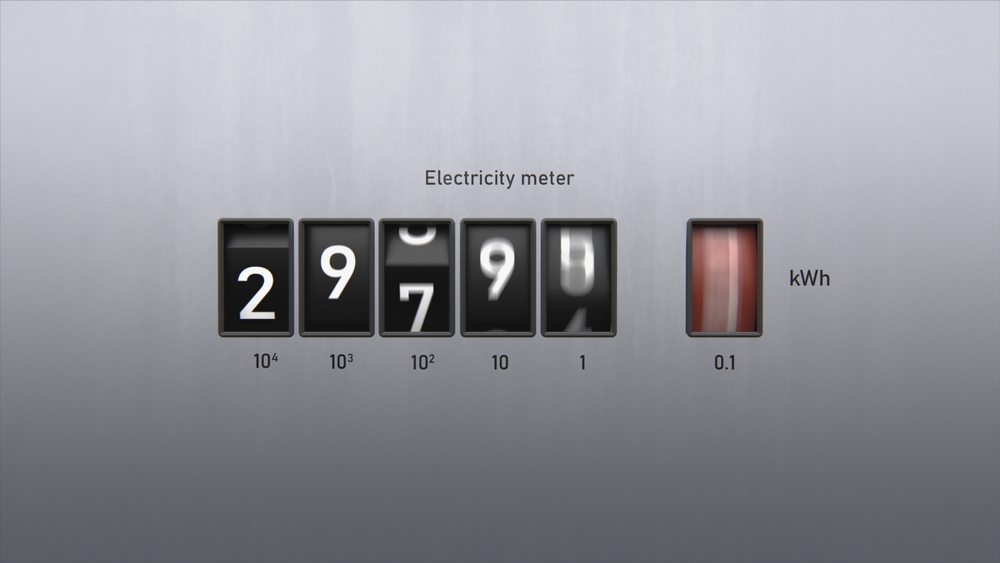
On March 2, the conflict between Iran and the U.S. began, and gas prices started to rise; since then, the market price of gas has increased by more than 70%. After a week of conflict, wind power production fell on March 9, and, combined with increased gas-fired generation, drove the cost of electricity up to 120 MWh, a 410% increase from the start of the conflict.
The big question right now is how long the war and the blockade of the Strait of Hormuz—through which a quarter of the world’s natural gas (LNG) passes—will last.
Manuel Velázquez, Senior Partner at ERA Group Spain, explains: "This is no joke. In terms of oil, the blockade is a massive supply shock: some 20 million barrels of oil are lost daily, compared to 4.3 million during the Gulf War in the 1990s."
To continue reading, click here or on the image below: The conflict in Iran affects fixed electricity and gas rates