
- Saving energy is like carrying an adapterMaybe this has happened to you before, or maybe not, because you’re a forward-thinking person.
You arrive in another country, the hotel is fine, and everything goes according to plan.
You have an important meeting the next day.
Everything is under control.
You take out your phone charger, plug it in, and it doesn’t fit.
You look at the outlet, you look at the charger.
At that moment, you remember that they use a different system in that country. And you forgot the adapter.
Electricity exists. But the system is different.
Something very similar happens in corporate energy.
Many companies believe the issue is resolved because there is a signed contract and a guaranteed supply. But energy isn’t a plug. It’s a changing system.
And the problem isn’t that there’s electricity. It’s not being prepared for how the system works when it changes.

- Energy is a changing system, not a stable cost.
- Many companies still treat energy as a fixed budget item: they negotiate the contract, lock in the price, and file away the bill until the following year.
- But the energy market doesn’t work that way.
- It is volatile. It is regulated.
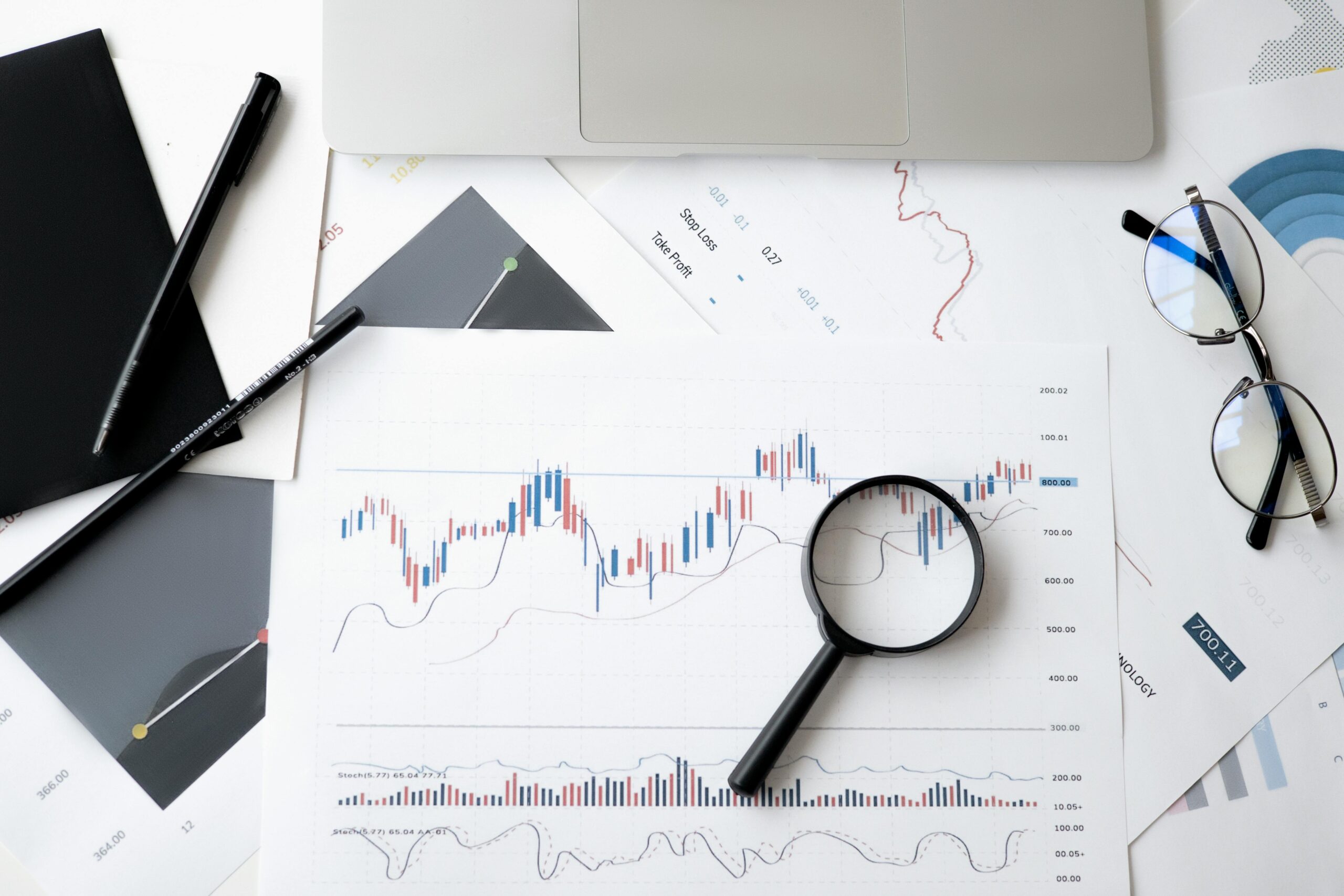
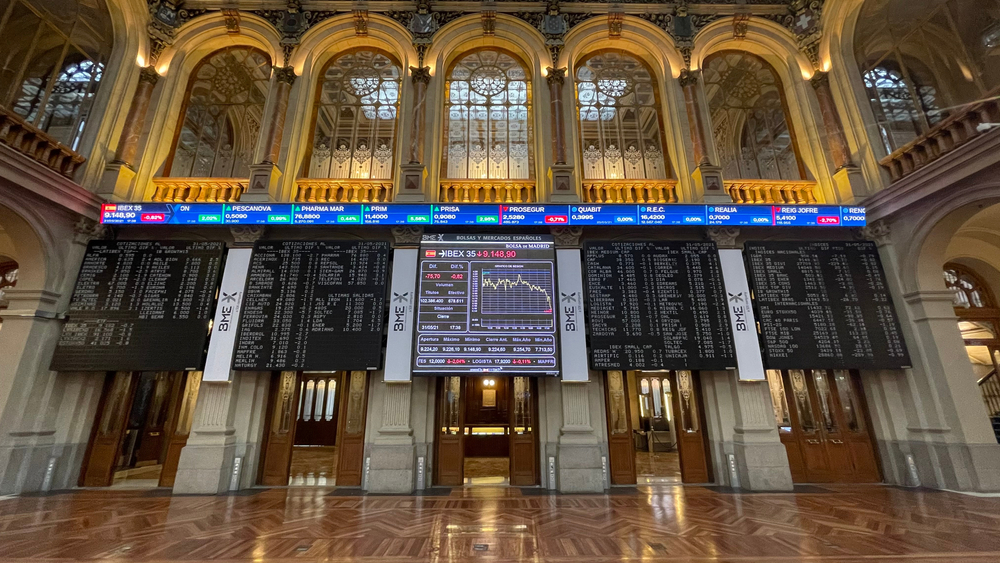
- And it responds to dynamics that behave not like rent, but like a financial market.
- An ERA Group article on energy costs presents a statistic that should give more than one executive committee pause: the volatility of European gas prices can exceed 100% in very short periods. And although we’re talking about gas, the effect carries over to electricity and associated costs.
- This is not a stable factor.
- It is a strategic variable.
- And this is where the first strategic mistake arises: thinking that having a signed contract means you are protected.
- A contract does not eliminate volatility. It only defines how you manage it.
- Fixed or Indexed Pricing and the False Sense of ControlMany companies are unaware of or oversimplify this decision.
Generally speaking, there are two main energy billing models: fixed-price and indexed.
A fixed price offers apparent stability.
Indexed pricing may be more competitive, but it requires understanding how the bill is constructed.
And this is where one of the biggest disparities arises.
Validating an indexed bill is no trivial matter.
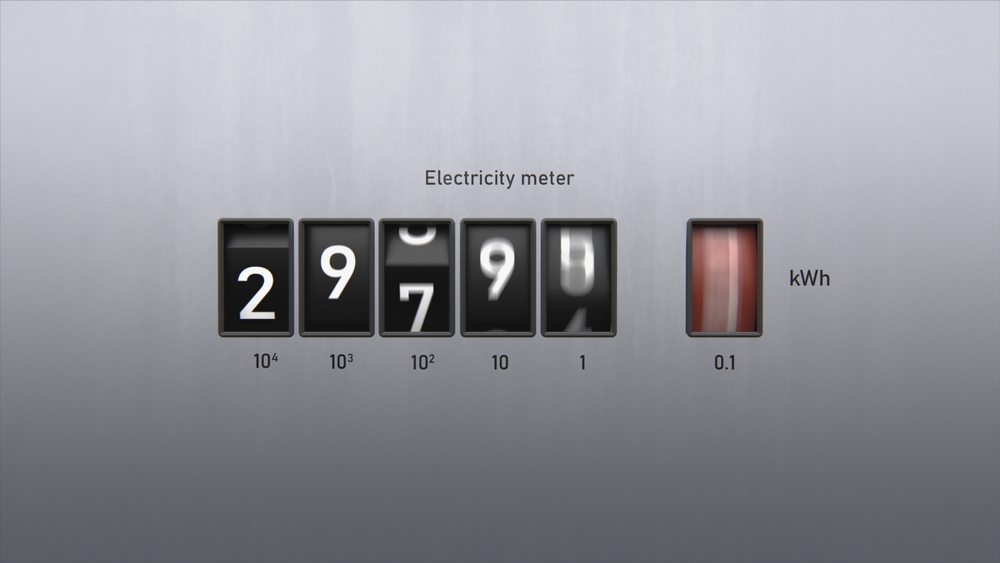
It involves downloading multiple hourly files, cross-referencing them with actual consumption curves, and reviewing line items that aren’t always transparent.
In practice, many companies pay bills that are very difficult to verify accurately.
In practice, many companies pay bills that are very difficult to verify accurately.
We’re not talking about sophisticated optimization.
We’re talking about something more basic: verifying that what you’re paying is correct.
Undetected billing errors can amount to thousands of euros a year.
It’s not a market problem. It’s a control problem.
- The real energy risk is dependence.The market changes every day; that is a fact.
The question is not whether it will change.
The question is how your system is designed to absorb that change.
If your energy structure depends on:
- A single type of contract;
- A single supplier;
- A single purchasing strategy;
- a single supply source;
- then the risk isn’t in the price.
- It’s in the design.
- Because when regulatory conditions change, new mechanisms like CAEs emerge, incentives are modified, or compensation models shift, those who aren’t prepared don’t just pay a little more.
- They pay for a long time.
- The dependency isn’t visible while the system is working. But when the environment shifts, it becomes a structural cost.

- Self-consumption, CAEs, and HVAC systems
When we talk about real energy optimization, there are three areas that many companies are still not analyzing in sufficient depth.
These are not tactical measures. They are design decisions.
1️⃣ Self-consumption
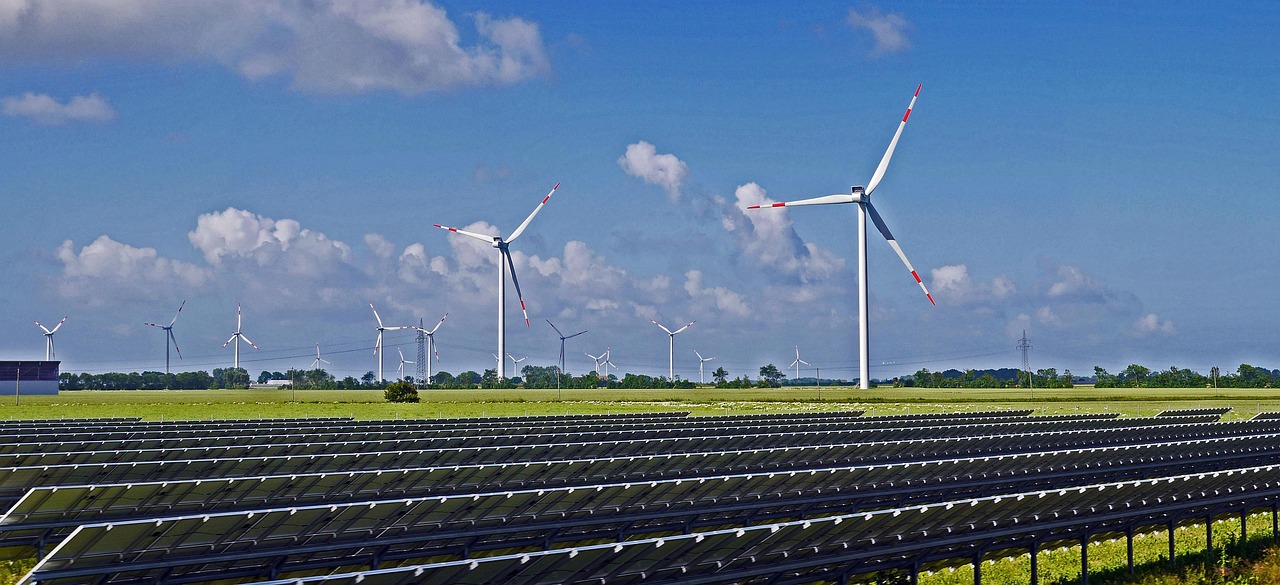
- Photovoltaic installations reduce dependence on the grid, improve the carbon footprint, and may qualify for subsidies.
- Photovoltaic installations reduce dependence on the grid, improve the carbon footprint, and often benefit from subsidies.
- But beyond that, they change the company’s strategic position in the energy market.
- It’s not just about saving money. It’s about regaining decision-making power.That said: it requires a serious technical and financial analysis. It is not a decision based on aesthetics or reputation.
- 2️⃣ ESCs (Energy Saving Certificates)
- Many companies are unaware that they can monetize energy savings they have already achieved.
- There are cases where an investment with an estimated seven-year payback period is reduced to three years thanks to savings certification.
- We’re not talking about theoretical efficiency here. We’re talking about turning technical savings into financial income.
- And that completely changes the investment logic.
- 3️⃣ HVAC Optimization
- Controlling motors using variable frequency drives and smart controls can generate savings of around 9% of electricity consumption.
- In a 180-room hotel, for example, that can translate to approximately €50,000 in annual savings, with investments recouped in six months.
- This is not futuristic technology.
- It is an operational review with measurable impact.

- What a CFO Should Review Today Regarding Energy
If energy is strategic—and it is—here are the questions you should ask yourself:1️⃣Are we verifying invoices correctly?
- Especially if the contract is indexed.
- Technical complexity does not eliminate financial responsibility.
- 2️⃣ Have we optimized our contracted power capacity?
- This variable is often overlooked because it doesn’t generate direct commissions for sales advisors, but it directly impacts the annual fixed cost.
- 3️⃣ Are we measuring energy risk?
- Not just the current price, but future scenarios and their impact on margins and cash flow.
- 4️⃣ Have we analyzed CAE opportunities?
- There may be projects already implemented that generate monetizable certifications and reduce the actual return on investment.
- 5️⃣ Is there real self-consumption potential with a comprehensive financial analysis?
- Including subsidies, virtual batteries, and the current regulatory framework.Optimizing energy isn’t about negotiating better. It’s about understanding the system before it changes.Optimizing energy means being prepared.
- Let’s go back to the plug.
- When you travel prepared, the system change doesn’t affect you.
- You don’t depend on the hotel. You don’t improvise. You don’t pay for the rush.
- You simply plug in and carry on.
- The same applies to energy.
- Circumstances change: regulations, prices, incentives, the market. That’s inevitable.
- The problem isn’t change. It’s traveling without an adapter.
- And when it comes to energy costs, the adapter isn’t just an object.
- It’s design.
- It is:
- reliable information;
- verification and control;
- risk measurement and modeling;
- a coherent purchasing strategy;
- diversification;
- operational efficiency;
- and a medium-term vision.
- Because energy isn’t just a line item in the budget.
- It is a strategic variable that directly affects the bottom line.If you want to check whether your company is prepared or just coasting along, let’s talk.
- Vielen Dank, dass Sie bis hierher gelesen haben.
- 𝗙𝗲𝗹𝗶𝘇 𝗱í𝗮.
- P.S. 1: Subscribe to my newsletterif you want to understand how to turn energy into a strategic decision rather than a budget surprise.
- P.S.2:
- Share this with anyone who still believes that having a contract means being protected. Usually, that peace of mind lasts only until the market changes.