

- Tariffs, Geopolitics, and Foundries: Why the Real Impact Isn’t on Price, but on Planning
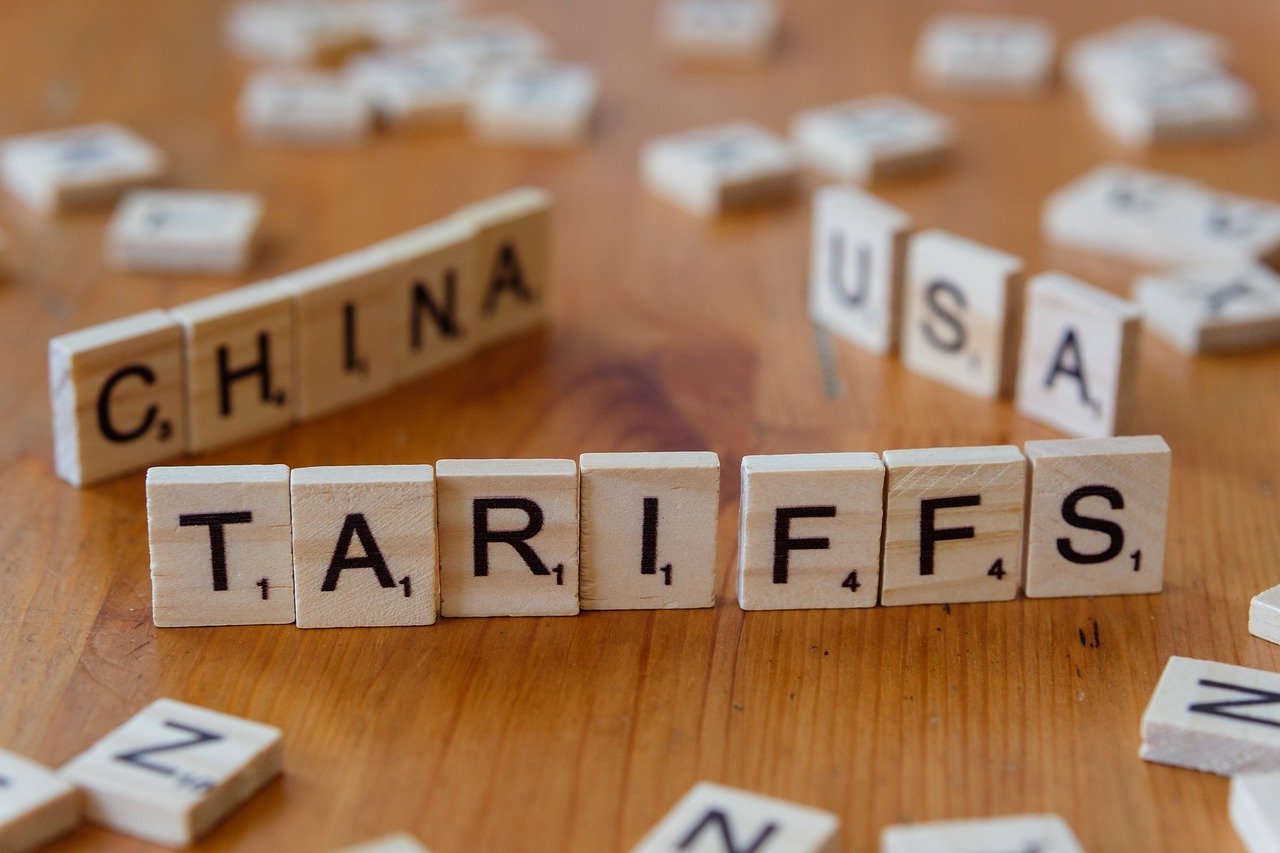
In recent months, the debate over tariffs has once again made headlines as a result of an increasingly fragmented geopolitical landscape. Although Spain is not among the countries directly affected by some of the trade measures being considered at the international level, the impact on many Spanish companies is real, tangible, and, in some cases, already noticeable. This is especially true for industrial sectors such as foundry, where margins are tight, cycles are long, and dependence on raw materials and energy is structural.
When discussing tariffs, the focus is often on the increased cost of the final product. However, for industrial companies (and especially for foundries), the true impact goes far beyond price. It affects cost planning, the stability of contracts with suppliers, and the ability to anticipate scenarios—key elements for business viability.
- The Invisible Impact of Tariffs: Planning and ContractsFoundries operate in a complex ecosystem: raw materials such as iron, steel, or alloys; energy-intensive production; long supply chains; and, in many cases, industrial customers who demand stability in prices and delivery times. In this context, tariffs do not act as a simple one-time surcharge, but as a factor of systemic distortion.
First, tariffs introduce volatility. Even if a company does not import directly from an affected country, it is highly likely that one of its suppliers does, or that it competes in markets where trade flows are disrupted. This causes pressure on raw material prices, changes in delivery times, and unilateral revisions of contractual terms.
Second, there is a domino effect on medium- and long-term contracts. Many foundries operate under multi-year agreements, both for procurement and sales. When the environment changes abruptly, these contracts lose their initial balance: revision clauses come into play, forced renegotiations occur, or, in the worst-case scenario, breaches happen. The problem is not just paying more, but not knowing how much will be paid in six or twelve months.
Furthermore, tariffs affect the ability to plan financially. Cost forecasts become unreliable, budgets are constantly revised, and investment decisions are postponed. For a capital-intensive sector like foundry, this uncertainty can be just as damaging as a direct price increase.

- Foundries and Geopolitics: A Closer Relationship Than It Seems
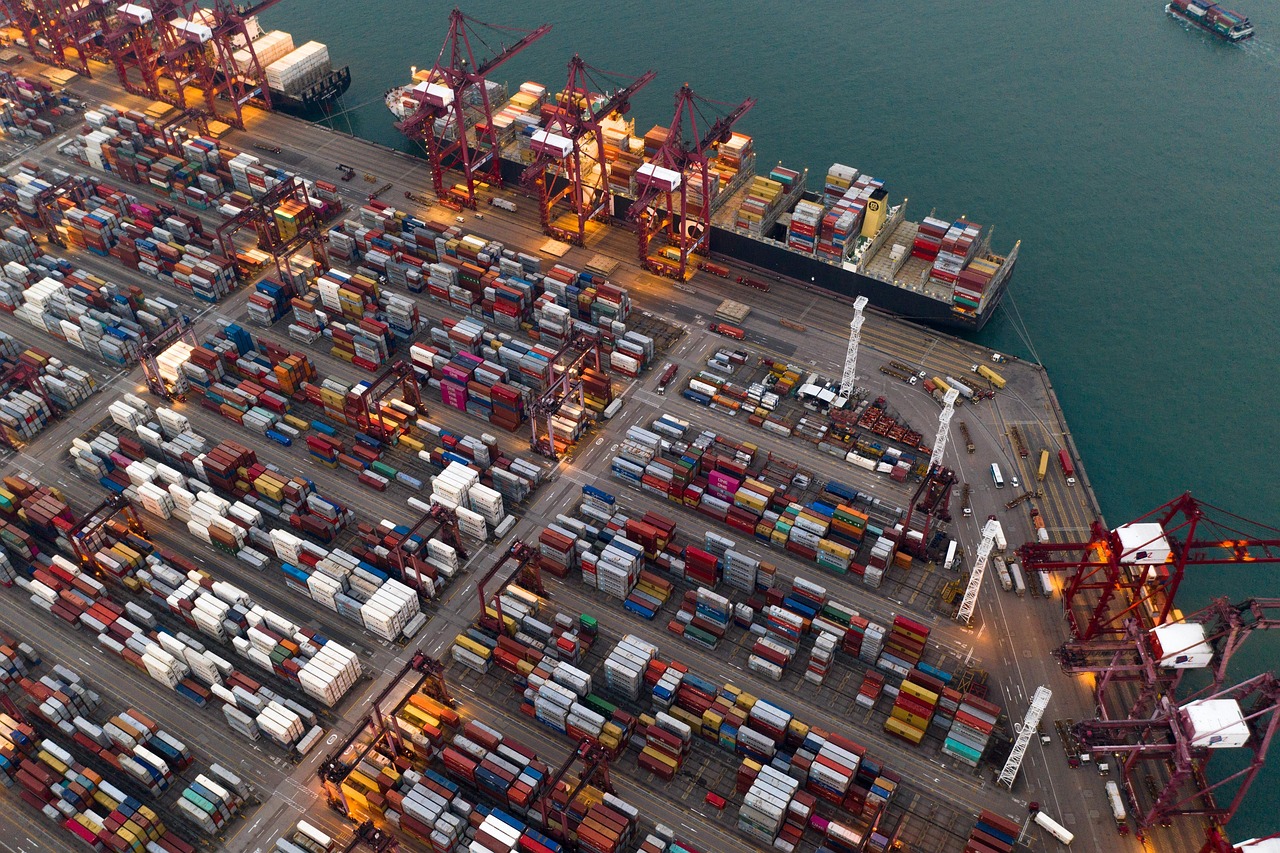
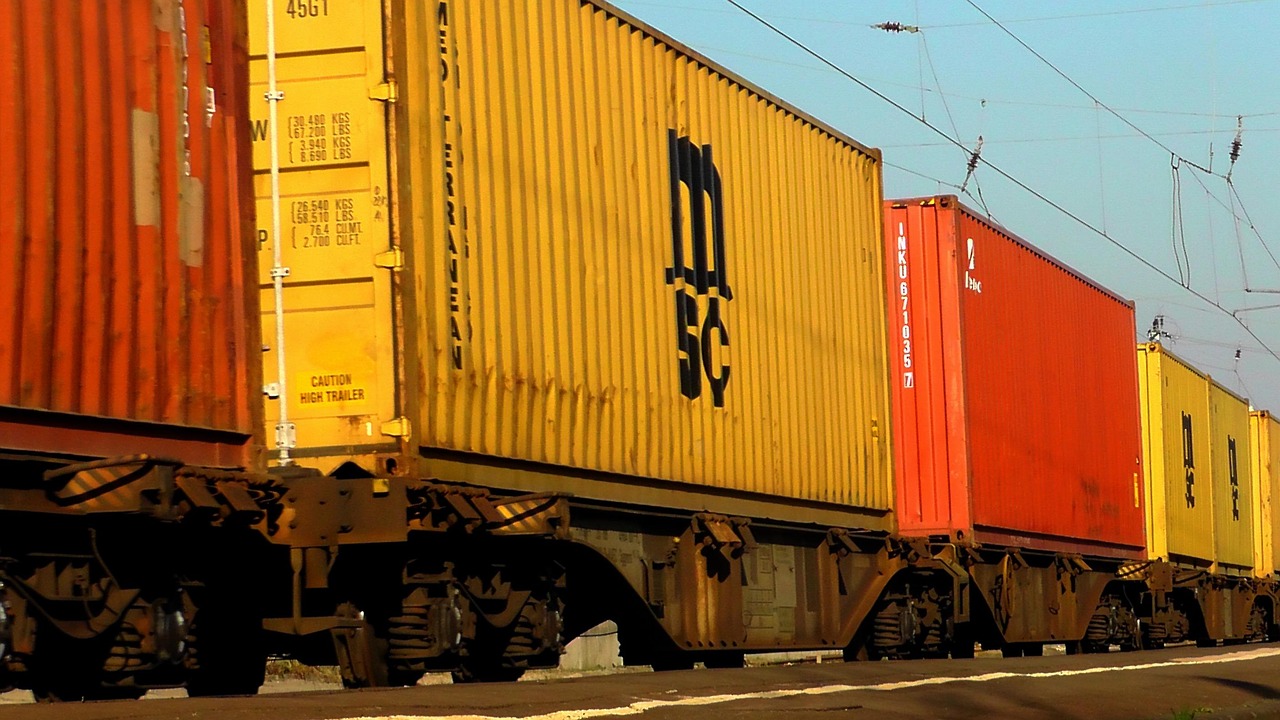
Traditionally, foundry has been perceived as a local or regional sector. However, the current reality is very different. Raw materials, energy, technology, and, in many cases, end customers are integrated into global value chains. This means that any geopolitical tension—even if it originates far away—has direct repercussions.
The reconfiguration of trade routes, the concentration of suppliers in certain regions, or dependence on specific countries for certain critical inputs make foundry companies indirect victims of trade conflicts. And most importantly: these impacts often arrive without warning and leave little room to react.
Therefore, limiting the business response to “wait and see” or passing costs on to the end customer is no longer a sustainable option.
- What Foundries in Spain Should Be Doing NowIn an environment marked by uncertainty, foundries need to adopt a much more strategic view of their costs and supply chain. It is no longer enough to analyze direct suppliers: it is essential to understand the true origin of raw materials, geographic dependencies, and risks concentrated in less visible links of the chain. At the same time, contracts designed for stable scenarios must evolve toward more flexible models, with review clauses and risk-sharing mechanisms that allow for adaptation to changing contexts. Resilience also requires diversifying suppliers and routes, even at the cost of sacrificing short-term efficiency, since the cost of a prolonged disruption is always greater. All of this requires gaining real visibility into the cost structure, especially in critical areas such as energy, transportation, or maintenance, and integrating optimization as a continuous process, not as an emergency reaction. In this scenario, relying on external and specialized analysis becomes a key lever for identifying risks and opportunities that are not always evident from within the organization.

- From cost savings to resilience: a necessary shift in mindset
For years, the conversation about costs in the industry has focused almost exclusively on savings. Today, that approach is insufficient. In sectors such as foundry, cost optimization is, above all, a tool for building resilience, protecting the business, and ensuring its continuity in an unpredictable environment.
Tariffs, geopolitical tensions, and the fragmentation of international trade are not passing phenomena. Everything points to them becoming part of the new structural context in which European industrial companies will operate. Those that understand this and act accordingly will be in a better position to compete. Those that do not will be forced to react too late.
Ultimately, the true impact of tariffs lies not in the final price, but in the uncertainty they introduce into planning, contracts, and decision-making. And the only effective response is to anticipate, review, and adapt the cost management model to a reality that has already changed.