
- The day electricity also started hanging up the “sold out” signPosted by Eva Linares on Linked
- In on March 10, 2026,
- Why Anticipating Electricity Capacity Is Becoming StrategicThere’s a very common situation when you’re traveling by car and decide not to book a hotel.
You want to keep the freedom to choose as you go, so you drive along calmly, thinking that when the time comes, you’ll find a room without any trouble.
Ce n'est pas la haute saison. Il n'y a pas de congrès. Il y a des dizaines d'hôtels.
So you book late. Or even on the same day.
And when you arrive in the city… everything is fully booked.
If you’re the type who plans ahead, this has probably never happened to you.
But if you’ve ever planned a trip on the fly, you know the feeling: stress, uncertainty, and the uncomfortable question of what to do next.
On commence à observer un phénomène similaire dans le domaine de l'électricité.
And the same goes for energy cost optimization.
- L'énergie est de plus en plus une question d'accès, et pas seulement de prix
Depuis des années, le débat sur l'énergie dans les entreprises tourne autour d'une seule question :
« À quel prix achetons-nous l'énergie ? »
But now another question is beginning to emerge—one that until recently seemed unlikely:
« Y aura-t-il suffisamment de capacité pour nous connecter quand nous en aurons besoin ? »
According to data published by Red Eléctrica, only 25% of the connection points in the transmission grid currently have available capacity for new demand.
In other words: three out of every four “outlets” on the grid are already saturated.
Et cela ne concerne pas uniquement les nouveaux secteurs.
It affects expansions, new production facilities, data centers, and urban development projects.
And, of course, it can also affect your company.
- A problem that almost no one seesWhen it starts to get overloaded, you don’t notice it.
When it’s overloaded, you don’t notice it.
There are no visible traffic jams.
Il n'y a pas de feux rouges.
There is no clear sign that the system is reaching its limit.
Et pourtant, les répercussions peuvent être considérables.
You surely remember last year’s massive blackout; it came without warning and faded from our memory. No one saw it coming.
According to energy analysts themselves, a collapsed grid can delay the establishment of new industries or strategic investments for years.
En d'autres termes : le problème n'apparaît pas sur la facture.
It shows up when your company wants to grow.
- When energy ceases to be a purchasing itemIn many executive committees, energy is still treated as a purchasing department item.
The price is negotiated, the contract is signed, and the matter is filed away as “resolved.”
But when the infrastructure starts to reach capacity, that approach is no longer enough.
Because it’s no longer just about how much energy costs.
Because it’s no longer just about how much energy costs.
It’s about whether you’ll be able to access it when your business needs it.
Et à ce stade, l'énergie cesse d'être un problème opérationnel.
Cela devient un choix stratégique.
- Quand tout le monde veut la même pièce
The problem isn’t that there’s a shortage of electricity.
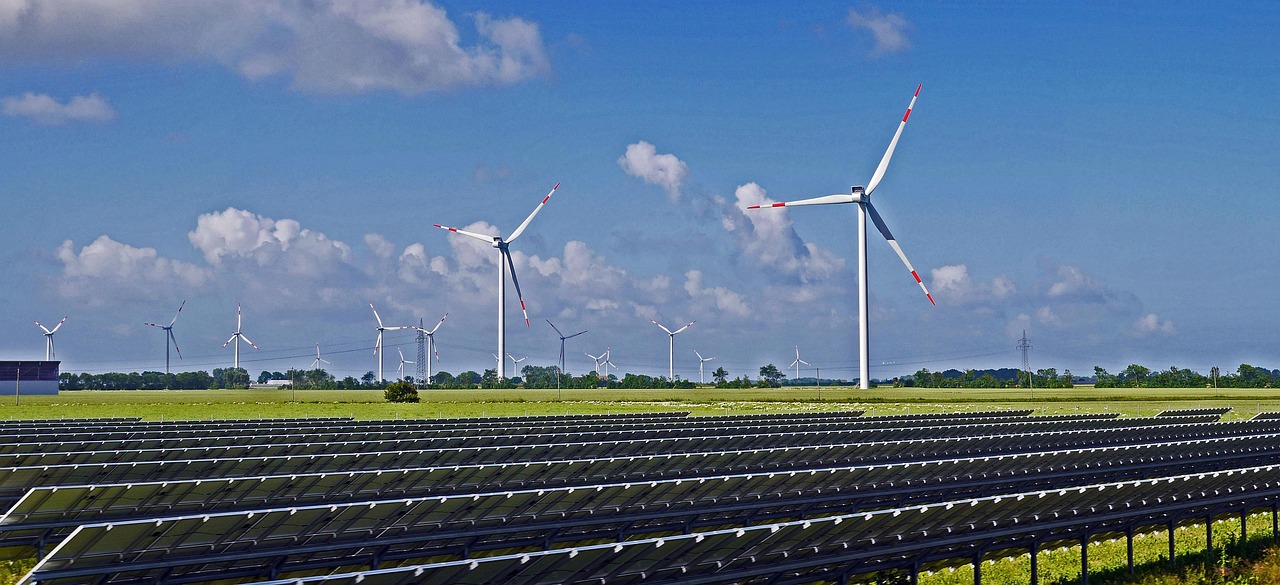
En effet, l'Espagne bat tous les records en matière de production d'énergie renouvelable.
The real problem is something else: while more and more energy is being produced, the grid that must transport it isn’t growing at the same pace.
By 2024, around 8% of the renewable energy generated was already being wasted, and by 2025 that figure had doubled.
Meanwhile, new industries wait years to get connected—that plug they need to start operating.
C'est comme une ville pleine d'hôtels… mais où il y a très peu de chambres disponibles.
- The difference between planning ahead and being late to the partyWhen you travel to a city hosting a major event, there are two types of travelers.
Ceux qui réservent plusieurs mois à l'avance.
And those who arrive thinking that, somehow, they’ll find something.
In the energy sector, unfortunately, there are still many companies that operate like those second types of travelers.
Companies that anticipate what they will need in the future—whether new plants, expansions, or process electrification—have a better chance of securing that desired connection.
Those who wait until the last minute face a problem that has nothing to do with price.
Cela dépend de la capacité disponible du réseau.

- The questions a CEO should start asking themselves
If your company relies on electricity to grow, run processes, or expand production, you might want to start asking yourself some questions:
- Disposons-nous de la capacité électrique nécessaire pour mener à bien nos projets de croissance ?
- Prévoyons-nous les besoins en matière de connectivité avec une marge suffisante ?
- Are we treating energy as an operational risk or just as a purchase?
- Sait-on quel serait l'impact sur notre activité d'un retard de deux ou trois ans dans la mise en place d'une nouvelle connexion ?
- Car il y a une chose qui doit être claire :
- the power grid is not an unlimited resource.
- The problem isn’t paying more for electricity.The strategic mistake rarely lies in paying a few cents more per kilowatt-hour.
The real mistake is usually realizing too late that there is no available capacity when your company needs to grow.
Et là, le problème n'est plus le prix.
The problem is that there’s no outlet.
And at that point, there’s nothing left to do but wait for capacity to become available on the network.
Cela peut prendre des années.

- Traveling with a reservation or relying on luck
At this point, I’m sure your company doesn’t want to rely on luck.
Companies that plan their grid access in advance have room to make decisions.
Ceux qui ne dépendent pas uniquement de la disponibilité du système.
Car la maîtrise des coûts est une chose.
Et gérer l'incertitude, c'est tout autre chose.
If you want to analyze your company’s exposure to this problem and explore options for anticipating it, we can review it together.
Because in the energy sector, getting there first often makes all the difference.
Merci de nous avoir suivis cette semaine encore.
Have a great day.