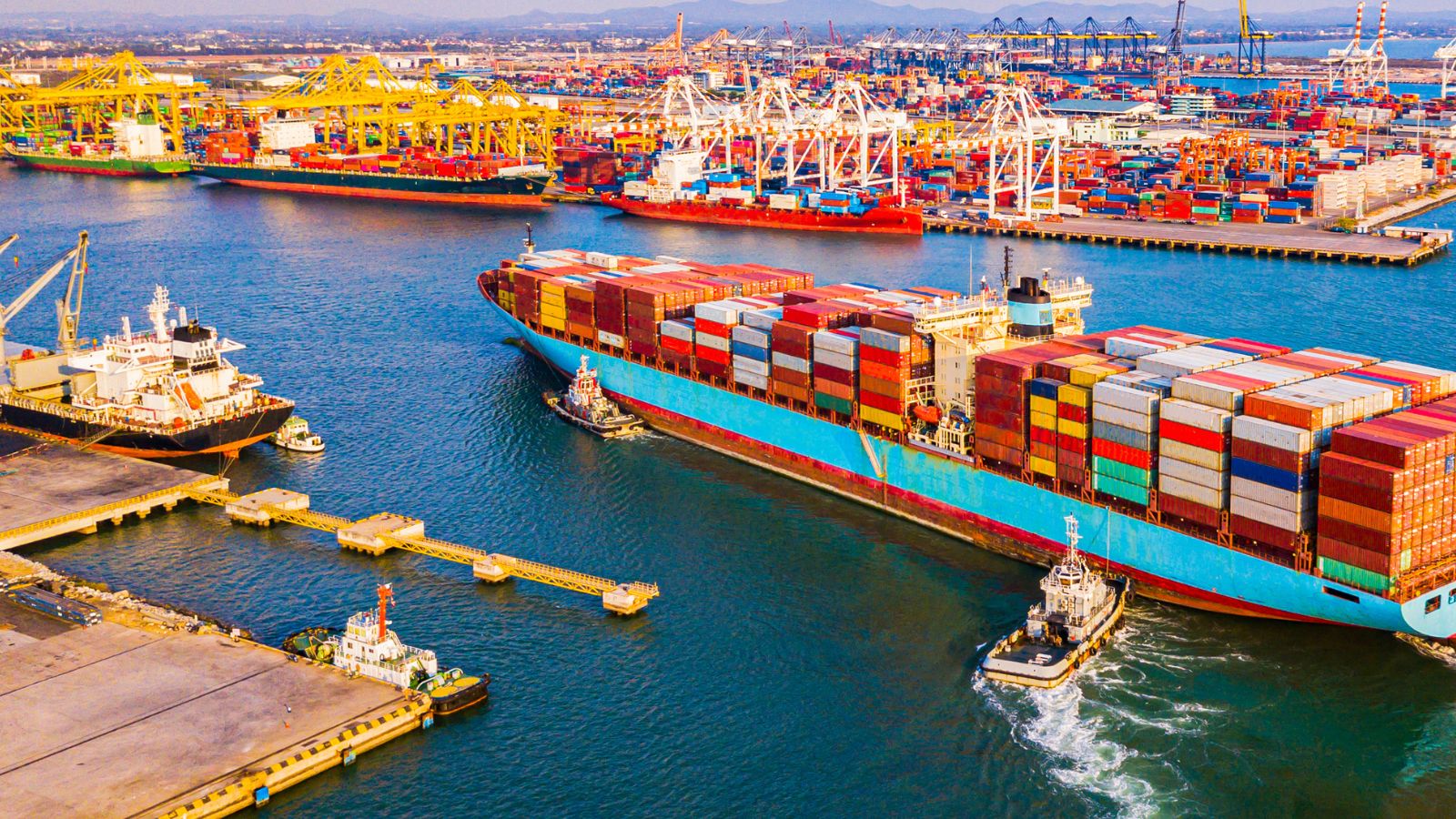
Covid outbreaks in some of Asia's major ports; freight hoarding in China and bottlenecks have significantly increased the price of goods; or even caused shortages. Many companies have had to reorganise their production to maintain their sales volume.
The pandemic continues to hamper the activities of many businesses; especially outside Asia. Shortages of essential raw materials such as copper; plastic and semiconductors are affecting both construction and key industries such as chemicals; among others. Furthermore; the lack of materials in some sectors affects others. For example; the slowdown in the automotive industry due to semiconductors indirectly affects the chemical industry; as part of the paint manufactured in our country is used to paint vehicles made here and abroad.
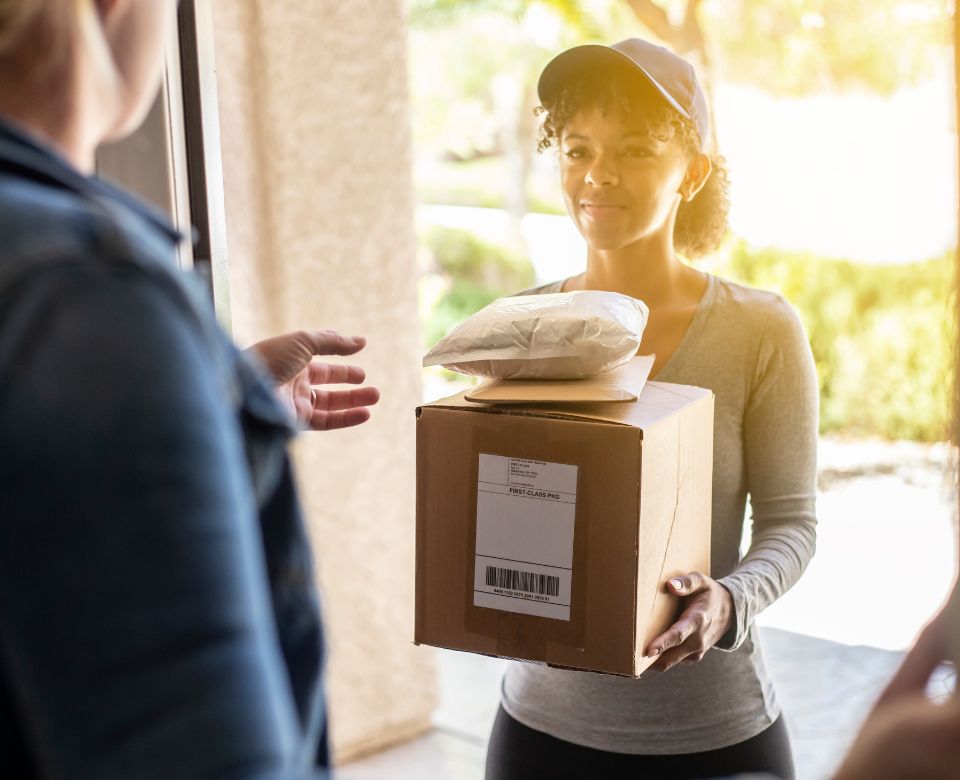
Covid-19 has changed many customer habits: consuming more from and at home; using digital e-commerce platforms more for regular purchases; and countless applications for performing common tasks. That is why customers not only need companies to be available at any time; but also anywhere. This requires constant stock; something that is currently quite complicated in certain sectors; especially those that depend on imports to manufacture their products.
At ERA Group; we propose transforming freight transport; as is happening in many other sectors and will be the norm in the coming years; towards a more environmentally friendly sector that will also help to reduce these specific supply problems in the future:
- Aspects to consider:
- Consumers increasingly expect solutions that are more environmentally sustainable and cost-efficient. As a result; mobility is evolving into a service rather than an asset; so paying for shipping is increasingly seen in a positive light; as customers understand it as something that a business offers; just as it charges for the services or products it sells. Similarly; the transport of goods is seen more as such and not as an intrinsic obligation of the shop with each sale. The options of buying online and going to the physical shop to collect the order also make shipping a more "premium" service.
- In terms of supply; there are already several alternatives to fossil fuels; for light vehicles there is electrification; for heavy vehicles hydrogen is being developed as a substitute; and the problem at the moment lies in maritime and air transport. In these cases; the most immediate solution is to make more local and nearby purchases; so as not to be so dependent on these modes of transport.
- Consumers increasingly expect solutions that are more environmentally sustainable and cost-efficient. As a result; mobility is evolving into a service rather than an asset; so paying for shipping is increasingly seen in a positive light; as customers understand it as something that a business offers; just as it charges for the services or products it sells. Similarly; the transport of goods is seen more as such and not as an intrinsic obligation of the shop with each sale. The options of buying online and going to the physical shop to collect the order also make shipping a more "premium" service.
- Actions: companies will have to review several of their transport-related policies:
- Travel policy: companies must work to include new mobility; shipping and delivery options. Fleet policy: segmentation of the different groups within the organization and their needs; defining and assigning the most appropriate means of transport for each type; planning; if necessary; the creation of their own supply infrastructure; i.e. charging points for this new fleet of vehicles that will need recharging points; as the country as a whole may not be moving at the same pace as companies need it to.
- Car policy: segmentation of user profiles and specific definition of the vehicles to be used and the appropriate contracting modalities.
- Monitoring of legislation: European legislation on sustainable transport must be complied with; and obviously the subsidies provided by the European Union in this area must be invested wisely; as it has done in other sectors; so that no country is left behind in this transformation.
"The pandemic has changed many aspects of life; and these will continue to evolve after it is over because of everything it has brought into focus in terms of being prepared for another event of this nature;" warned Fernando Vázquez; Consulting Partner and Co-Area Developer at ERA Group. "Businesses will have to be in constant evolution; and one of these changes will reach the transport and logistics sector; moving towards a more sustainable; accessible and active model."