Nessun risultato trovato.
Tutti i post

Ottimizzare le prestazioni per una giornata normale non ti sarà d'aiuto in una situazione critica


autori

Nessun risultato trovato.

Contenuto

Questo sarà l'URL da copiare

  • [caption id="attachment_6361" align="alignnone" width="559"]
Optimizing for normal days won’t save you on critical days
  • Diari Catalunya[/caption]
  • Optimizing for normal days won’t save you on critical days
  • What the Port of Barcelona blockade teaches us about how we optimize costs when everything is running smoothlyIn a professional kitchen, everything seems simple when service is running smoothly.

Orders come in. Dishes go out. The team moves almost without speaking. Everyone knows what to do.

But that sense of fluidity isn’t a coincidence.

It depends on how the kitchen is organized.

On how the ingredients are prepared.

On whether there’s room to spare or if everything is operating at full capacity.

Until one day something goes wrong.

A supplier fails to deliver. An oven breaks down. Demand exceeds expectations.

The collapse occurs when the kitchen can’t keep up.

And not because it’s poorly managed, but because it was designed for a scenario where everything flows smoothly.

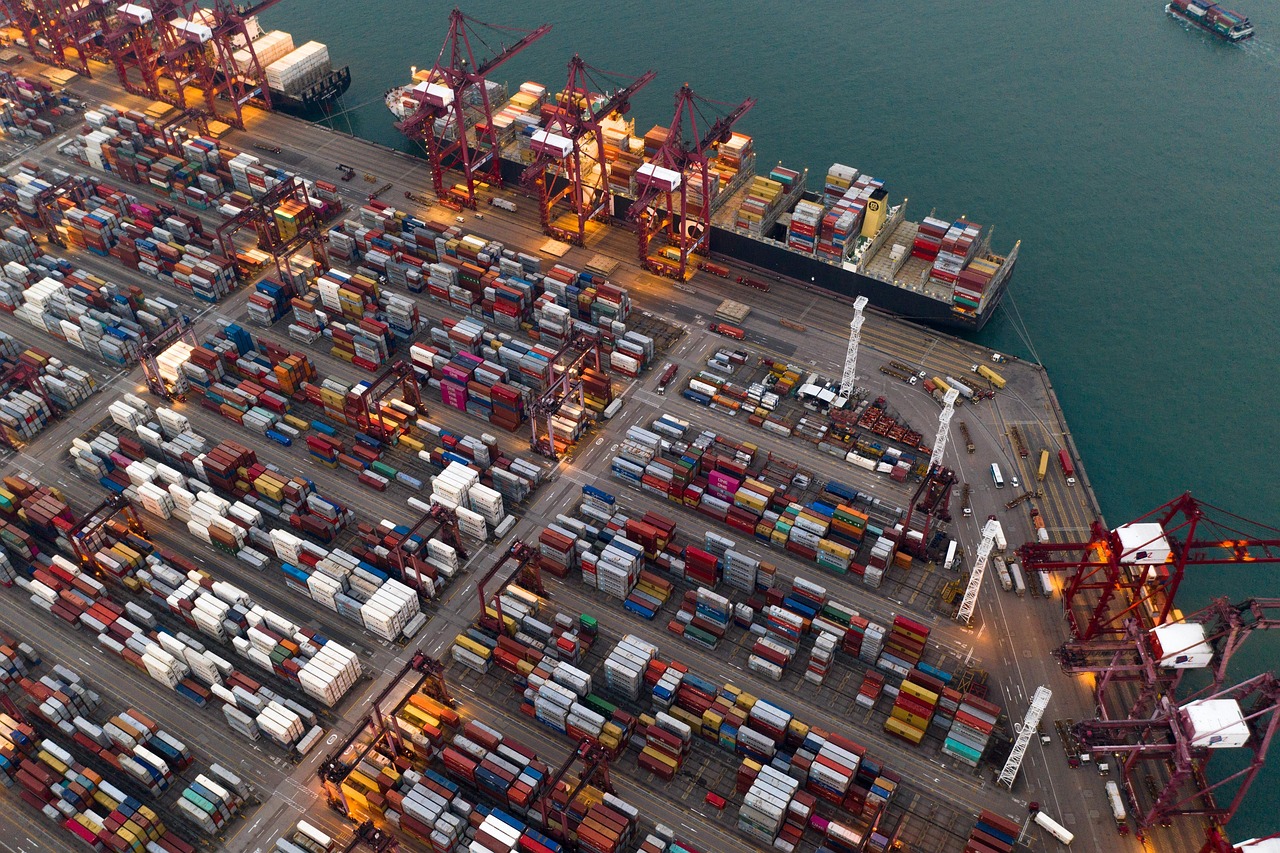
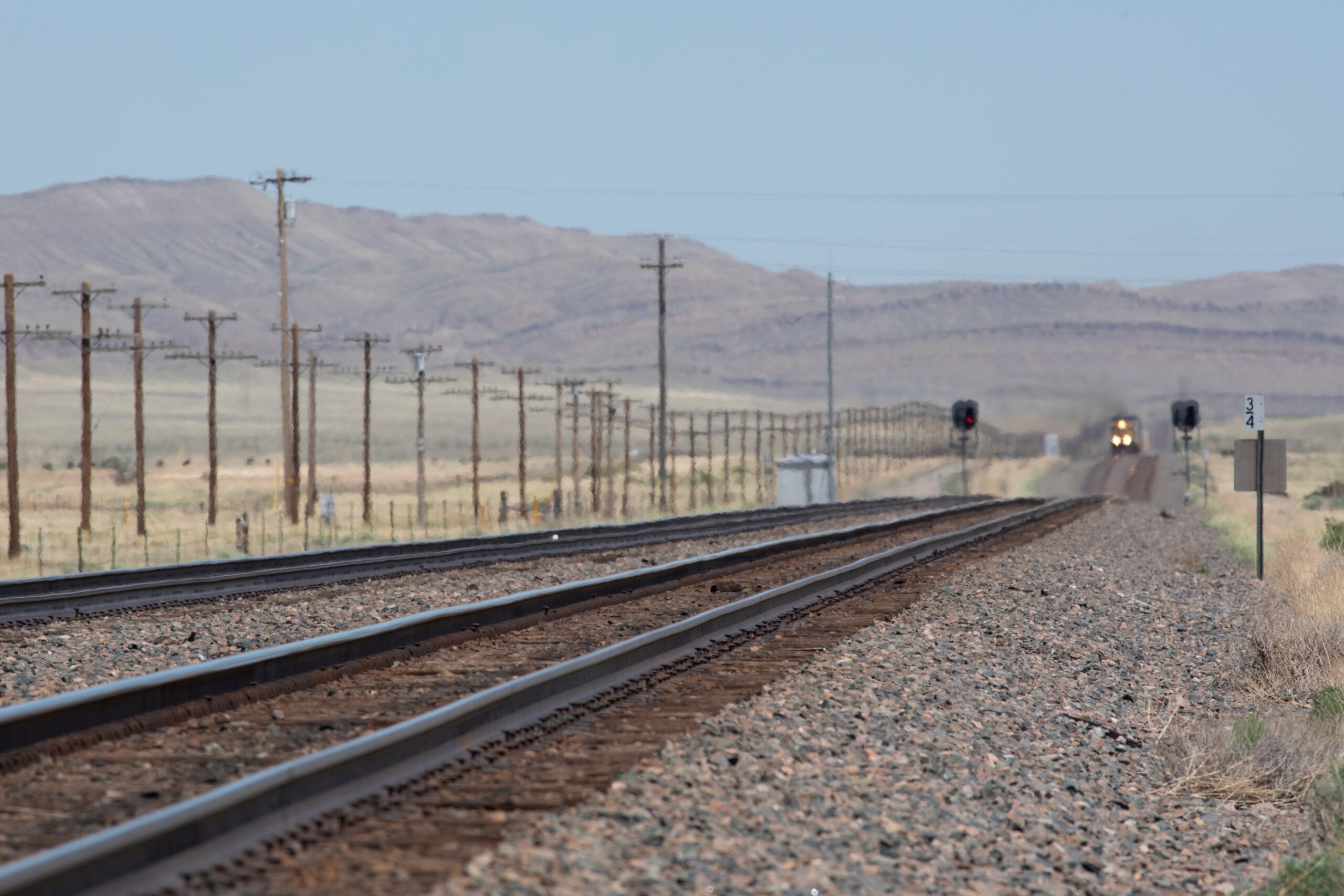
Something very similar has happened recently with the rail disruptions in Catalonia and the blockade of the Port of Barcelona.

The result has been devastating: millions in losses, delays in production lines, and cost overruns that some business associations estimate at up to two million euros per day during the first days of the crisis, according to El Confidencial in an article published on February 5.

And, as in restaurants, the problem isn’t where we usually look when we talk about costs.

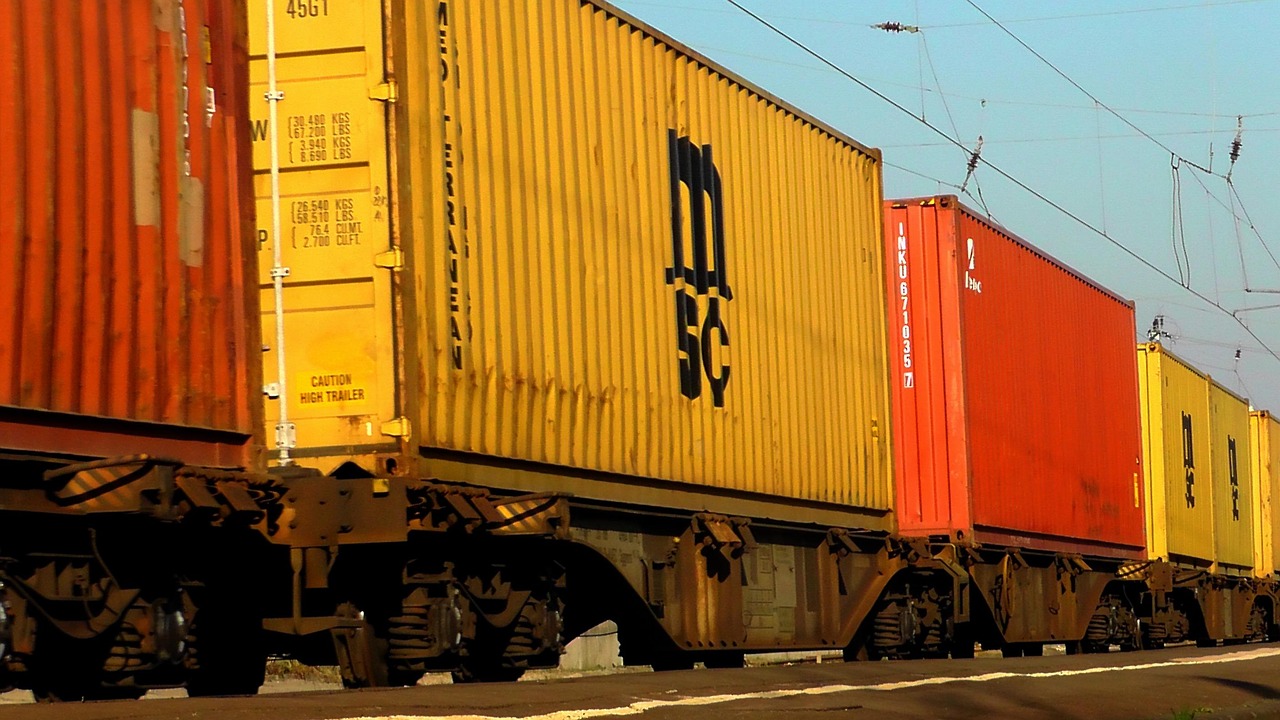
  • When the system grinds to a halt, everything else comes under strain.The Port of Barcelona is a strategic infrastructure. Not only because of its volume, but also because of the role it plays: it connects raw materials, industrial components, and goods with factories that operate on very tight logistics schedules.

When the rail system grinds to a halt, companies look for alternatives: road transport, air freight, or product exchanges between companies.

Any solution is welcome if it saves time.

Any solution is welcome if it saves time.

The problem is that almost all of them are more expensive, because the system was never designed to operate without that hub.

The same thing happens in a kitchen; when a stove is out of commission, you can’t stop cooking. The team makes do with what they have: orders are prioritized, delays are accepted, improvised decisions are made, and providing good customer service becomes difficult.

Service continues, but at the cost of a great deal of stress.

In the case of the Port of Barcelona, automotive, pharmaceutical, textile, and chemical companies have activated contingency plans to avoid production stoppages, absorbing cost overruns that no one had budgeted for in this scenario.

  • The mistake of optimizing only for things to go smoothlyThe cost that doesn’t appear in any Excel spreadsheet is the one no one saw coming.

It’s not in the annual budget. It’s not included in the negotiated terms. It doesn’t appear in the base scenario.

But it ends up happening anyway.

It is the cost of reacting too late. The cost of paying more due to urgency. The cost of accepting worse terms because there is no longer an alternative.

It is the cost of having designed the structure for efficiency, but not for stress.

When everything is optimized down to the last detail, any deviation becomes more expensive.

The news report itself hints at this: the rail network is saturated, shares capacity with commuter trains, has no operational margin, and the lack of information exacerbates the impact. It is not just a technical problem; it is structural.

Translated into business terms: there are critical processes that depend on a single “pass through the kitchen.”

As long as it works, no one questions it.

When it fails, the entire system descends into chaos.

And that not only affects logistics costs but also results in lost efficiency, organizational strain, emergency decisions, and direct pressure on the half-year margins.

As some operators explained to El Confidencial, replacing the train with trucks is not easy; there aren’t enough resources available, and delivery times skyrocket.

It’s exactly like when a kitchen tries to handle more orders than it was designed to manage.

The problem isn’t optimization.

The problem is which scenario you’re optimizing for.

  • The question you should ask yourself before the next crisis hits
Costs are not a necessary evil; they are a strategic decision.

The question is not whether there will be another lockdown.

The question is: How is your cost structure designed for when it happens?

Do you depend on a single critical supplier? Do you have real alternatives or just theoretical ones? Do you know how much margin you would lose if a component stops working?

That’s why it’s important to ask not only how much they cost, but how they perform when the system goes down.

Many executive committees optimize for day-to-day operations, not for crisis situations. They seek maximum efficiency under normal conditions.

The problem is that normal scenarios are becoming increasingly rare.

In the kitchen, that’s called working at full capacity.

In business, we usually call it optimization.

  • Designing for stress does not mean oversizing.
It means understanding where your breaking point is before you reach it.

The blockade of the Port of Barcelona shows that a significant part of the industrial fabric operates on very tight budgets and with little room to maneuver.

And when a key piece of infrastructure fails, the real cost isn’t the alternative itself, but everything that falls into disarray around it, as if it were a side effect.

  • Optimizing costs also means designing for stress.Not for the day when everything falls into place. Not for the supplier who always delivers. Not for logistics that flow without friction.
  • True optimization means asking yourself:
  • What happens if this part breaks down? What happens if the flow is interrupted? Where is the margin when something gets stuck?
  • Because efficiency designed solely for the ideal scenario works…until it doesn’t.

  • Often, the solution involves reviewing costs from the perspective of the bottleneck.
  • In other words: identifying where there is a real dependency and where there is no viable alternative.

  • But above all, what decisions are made in an emergency and how much they cost when they come too late.
  • In the kitchen, the restaurants that survive aren’t the ones with the cheapest menus, but those that know where they can absorb pressure without disrupting service.
  • The same thing happens in business.
  • The blockade of the Port of Barcelona is not a one-off incident, but a reminder that many cost models only work under ideal conditions.
  • And that optimizing without considering crisis scenarios is, in reality, just postponing the problem.
  • Because when the kitchen breaks down, it no longer matters how well the menu was designed.
  • And when it comes to costs, it’s almost always too late to improvise.
  • Shall we look together at how you can design a cost-optimization strategy that holds up even in times of crisis? Just reach out to me and we’ll talk.
  • Grazie per aver letto fino a qui.
  • 𝗙𝗲𝗹𝗶𝘇 𝗱í𝗮.
Articoli correlati

Potrebbero interessarti anche

Notizie

Il Gruppo ERA evidenzia quattro misure che le aziende possono adottare per aumentare l'efficienza e la resilienza attraverso l'ottimizzazione dell'uso dell'acqua

Notizie

La tua strategia "just-in-time" è ormai superata

Notizie

FX in America Latina

Notizie

L'aspetto strategico trascurato: il potenziale dei costi indiretti

Notizie

Analisi delle strutture dei costi

Notizie

Il tuo margine per il 2026

Notizie

Il margine di profitto

Notizie

L'ottimizzazione dei costi e lo sviluppo dei talenti sono fattori chiave nel 2026

Notizie

L'orologio continuava a funzionare, ma non si fermava

Notizie

La mancanza di visibilità passa inosservata finché non si fa sentire

Notizie

ERA Group offre 10 consigli per ottimizzare i costi del vostro franchising in un contesto internazionale caratterizzato da numerose incertezze

Notizie

Il team ERA partecipa a CPONet 2025

Notizie

Strategia di IA negli appalti: serie di webinar pratici per i responsabili delle decisioni

Notizie

L'IA generativa nella gestione delle spese di Palibex durante l'evento iFAES

Notizie

Il settore alimentare spagnolo sta adottando un atteggiamento cauto di fronte alle nuove minacce tariffarie tra gli Stati Uniti e l'Unione Europea

Notizie

Il settore logistico spagnolo

Notizie

Intervista al nostro nuovo partner: Arthur Dobma

Notizie

Emergenze che incidono sul bilancio

Notizie

Operar Agroindustria

Notizie

Cosa succede se “invertiamo” l’EBITDA?

Notizie

RIGI: il nuovo linguaggio degli investimenti

Notizie

L'armadio del direttore finanziario: quando hai tutto, ma niente si abbina

Notizie

Vuoi dominare il 2026?

Notizie

Se il tuo processo di checkout si basa su un file Excel, sei a rischio

Notizie

Risparmiare va bene, ma...

Notizie

Nella logistica e nella distribuzione tutto è interconnesso

Notizie

Le commissioni bancarie non vanno in vacanza

Notizie

Momenti imbarazzanti per amministratori delegati e direttori finanziari

Notizie

Maggiore sostenibilità finanziaria per una prestigiosa istituzione sportiva cilena

Notizie

Una prospettiva interdisciplinare sulla finanza e la sostenibilità

Notizie

Il mare è lo stesso per tutti; ciò che cambia è chi sta al timone

Notizie

Otto tendenze per il 2026: prezzi, passione e i rischi all’orizzonte

Notizie

Il 2025 in sintesi: costi, complessità e il percorso verso il 2026

Notizie

Romnes AS stipula un accordo di collaborazione con ERA Group in materia di analisi dei costi

Notizie

Sfruttare il periodo di calma estivo⁣

Notizie

Il calendario speciale della tua azienda: perché gestire i costi significa gestire il tempo.

Notizie

Il risparmio nella pratica

Notizie

Investimenti nell'intelligenza artificiale

Notizie

La scomoda verità sulla redditività

Notizie

Il tuo marchio sopravviverà o avrà successo?

Notizie

Il Gruppo ERA individua dieci fattori chiave per la creazione di catene di approvvigionamento pronte ad affrontare un mondo in continua evoluzione

Notizie

Il costo nascosto di continuare a fare le cose «come abbiamo sempre fatto»

Notizie

Struttura fiscale ottimizzata per contratti di grande entità

Notizie

Aggrapparsi a ciò che conta quando tutto intorno a te cambia

Notizie

Il valore della specializzazione: il nostro segreto al Gruppo ERA

Notizie

Progetto di legge sui fornitori del settore minerario a San Juan

Notizie

Da quando è scoppiata la guerra con l'Iran, gli investitori spagnoli hanno raddoppiato i propri investimenti nel settore petrolifero e del gas

Notizie

Non è possibile prevenire un terremoto. Ma è possibile adeguare la propria struttura dei costi.

Notizie

Manuel Velázquez scrive su El Debate nel suo articolo di febbraio dedicato all'energia

Notizie

Giornata mondiale della logistica: perché le aziende non possono più permettersi una logistica reattiva

Notizie

Energia: il costo non si limita ai kWh.

Notizie

Nuova testimonianza video con Jordi Romero, amministratore delegato di Schmitz Cargobull Ibérica S.A.

Notizie

Conformità senza sacrifici

Notizie

Come si è chiuso il 2025 per la vostra azienda

Notizie

Il tuo margine di vantaggio sta svanendo a causa di "piccoli dettagli"

Notizie

Una visione chiara del flusso di cassa effettivo della tua azienda

Notizie

Il costo che nessuno vuole affrontare

Notizie

Ottenere risparmi concreti senza licenziare nessuno

Notizie

Una nuova alba economica

Notizie

Il ritardo non è il problema. Il problema è come si impiega quel tempo.

Notizie

L'80% dei risparmi non si trova dove solitamente li cerchiamo: come ragiona un direttore finanziario quando i profitti calano

Notizie

Microsoft modificherà i prezzi nel 2026. La cosa più interessante non è l'aumento dei prezzi.

Notizie

La sostenibilità non è una spesa, ma una fonte di risparmio e di leadership

Notizie

Si sta valutando l'impatto dei dazi sulla geopolitica e sul settore della fonderia

Notizie

Il giorno in cui anche l'elettricità ha iniziato a segnare "senza corrente"

Notizie

Ottimizzare il consumo energetico è come portare con sé un adattatore

Notizie

ERA Group individua quattro sfide fondamentali che costringono le società di servizi professionali ad agire con urgenza

Notizie

Il Gruppo ERA nomina Marcel Lal nuovo Direttore dello Sviluppo Globale per guidare la propria crescita internazionale

Notizie

Cosa mi hanno insegnato gli Incas sul controllo dei costi in una grande azienda

Notizie

Il settore del trasporto ferroviario di merci richiede una logistica più competitiva e sostenibile, ben integrata nel contesto europeo

Notizie

Cosa ti rivela dicembre sulla tua attività

Notizie

Sponsorizzazione del torneo di golf interclassi di Markham

Notizie

Gestire un'azienda è come giocare a scacchi

Notizie

Quanto sta perdendo la tua azienda nella gestione MRO?

Notizie

L'ascesa dello streaming

Notizie

La vostra azienda è un anello della catena di approvvigionamento

Notizie

Quando il viaggio è ben organizzato, le pratiche relative all'acquisto passano quasi inosservate

Notizie

Il conflitto in Iran incide sulle tariffe fisse dell'elettricità e del gas

Notizie

5 tendenze da tenere d'occhio nel 2026 nel campo della gestione della catena di approvvigionamento

Notizie

Lo scenario "per ogni evenienza" che alla fine costa caro

Notizie

Calzolaio, costruisciti le scarpe da solo

Notizie

L'obiettivo dell'attuazione

Notizie

Senza una gestione dei costi, non c'è alcun impatto sostenibile

Notizie

Dazi, geopolitica e fusione: perché il vero impatto non sta nel prezzo, ma nella pianificazione

Notizie

Cosa ho imparato facendo immersioni alle Maldive su come capire cosa conta davvero quando si tratta di costi

Notizie

Outsourcing: il costo che cresce da solo

Notizie

Mentre il boom del commercio al dettaglio è ormai una realtà, l'aumento dei costi continua a pesare

Notizie

Dall'apparente stabilità alla gestione del rischio: cosa devono imparare le aziende del settore energetico e dei trasporti in vista del 2026

Notizie

La tua azienda è sostenibile per convinzione o solo sulla carta?

Notizie

Il problema non è l'analisi

Notizie

Individua i costi nascosti nelle bollette dell'elettricità

Notizie

Dal controllo reattivo a una strategia lungimirante

Notizie

Espansione strategica della dirigenza: ERA Group DACH rafforza i settori marketing e reclutamento di affiliati

Notizie

Newsletter ERA Insights del 26 gennaio - Approvvigionamento strategico

Notizie

Sintesi del webinar: "I costi nascosti del lavoro temporaneo"

Notizie

Webinar con Dominique Seux: la sua presentazione in 6 punti chiave

Notizie

Il Country Manager di ERA Paesi Bassi, Theo Bouwmans, parla con la rivista FranchisePlus

Notizie

L'automazione robotica dei processi ai tempi del COVID-19

Notizie

Il settore alberghiero è in crescita e presenta un notevole potenziale nel turismo congressuale

Notizie

Il settore edile rallenta; l'inflazione sale. Siete pronti per una recessione?

Ottieni informazioni utili per far crescere la tua attività

Grazie! La tua richiesta è stata ricevuta!
Ops! Si è verificato un errore durante l'invio del modulo.