Todas las entradas
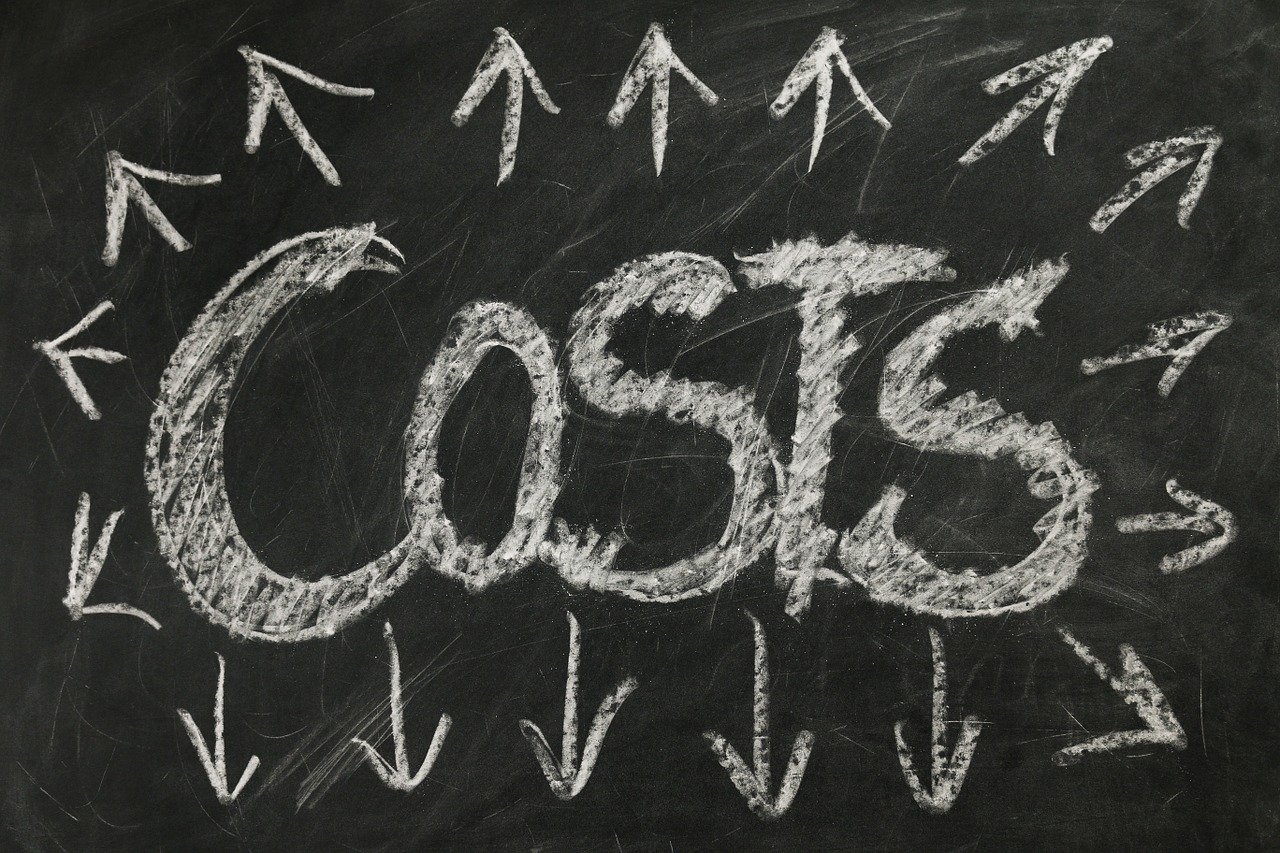
No se puede evitar un terremoto. Pero sí se puede preparar la estructura de costes.



We were traveling in Rome with the kids (they were little back then). It was in the morning; we were finishing getting dressed at the hotel to go out, and suddenly everything started shaking.
It wasn’t strong or violent.
For a few seconds, the entire building seemed to shake, as if someone huge had picked it up and gently shaken it.
And the strangest thing wasn’t the movement itself, but the feeling it left you with afterward.
For a few seconds, you don’t know if something really happened or not.
Whether it was the building.
Whether it was your head.
If you just imagined it.
Until you realize that yes, it was real. That it was an earthquake, even if very far away.
The epicenter was about 300 kilometers away. In Rome, we only felt the aftershock, a slight sway. Nothing more.
But the feeling that lingers is something else: we are nobody. That there are things which, in seconds, can change everything.
And that, often, there is absolutely nothing you can do.
That moment is very uncomfortable.
Because there’s no clear sign—nothing falls, no alarms go off, no one runs…
And yet, you know that something has shifted beneath your feet.
That is exactly what I see every day in many large companies when we talk about costs.
There is no visible crisis.
There is no fire to put out.
There is no financial collapse.
But something is stirring:

Nothing “serious” happened.
And precisely for that reason, it’s easy to downplay it.
The same is true for costs.
Large companies rarely collapse overnight.
What happens is much more subtle:

You can’t prevent an earthquake; it’s not up to you. You can worry or not, but that doesn’t change the situation.
At that moment, in that hotel, there was nothing I could do except accept that there are forces far greater than yourself.
But a company’s costs aren’t an earthquake—fortunately—or if they are, they can be minimized.
And this distinction is key for a CEO or a CFO.
The problem isn’t market uncertainty, inflation, geopolitics, or energy.
That would be the earthquake.
The problem is not having prepared for when the tremor hits, even if it’s mild.
Many organizations react only when:

They are built on the assumption that there will be movement, and cost optimization should work the same way.
It’s not about spending less just for the sake of it, but about understanding:
That’s exactly what I felt during those few seconds at the hotel.
That uncomfortable uncertainty of not knowing if something “serious” enough had happened to warrant action.
But when it comes to costs, waiting rarely works in your favor.
Because once the shift becomes evident, you’re no longer optimizing; you’re hastily correcting what wasn’t addressed calmly.

If you start working on your cost structure now:
When it comes to costs, looking ahead before something happens is being responsible.
Because true optimization begins when you decide to design a structure that can hold up, even when the ground shakes a little.
If you want to talk about how to build that structure in your company, just drop me a line.
Gracias por leer.
𝗙𝗲𝗹𝗶𝘇 𝗱í𝗮.