
When a CFO is challenged on cost optimisation, the response is often measured and confident. The business has already undertaken procurement reviews, major categories have been renegotiated, long-standing suppliers are stable and reporting shows performance within budget. From that perspective, cost control appears covered.
In many cases, that confidence is understandable.The difficulty is that the reassurance is frequently grounded in governance structures designed several years earlier, often under a different operating model, supplier landscape or margin profile. At the time, those structures may have been entirely appropriate and commercially robust.However, organisations evolve. They grow, acquire, digitise, consolidate suppliers, extend scope and renew contracts, usually incrementally rather than through a single transformative event.Over time, the business changes, yet the mechanism used to validate supplier alignment often remains anchored to its original design.


Categories that have not been reviewed recently are assumed to remain competitive because there has been no visible disruption. Contracts that auto-renew are treated as settled. Long-standing supplier relationships are equated with alignment. Reporting continues to confirm delivery against agreed parameters, and the absence of noise becomes evidence of control.What is rarely examined is whether those original optimisation decisions still reflect present-day market conditions, pricing dynamics and strategic priorities.Commercial drift rarely presents as a dramatic event. It emerges gradually in contracts that have moved away from market position, in scope that has expanded beyond initial pricing logic and in service models that no longer fully support the organisation’s current objectives. Because governance continues to function, these shifts remain largely unseen.The Oversight Gap is the space between inherited optimisation and current commercial reality. Closing it requires structured recalibration, not because cost management has failed, but because optimisation achieved once is not optimisation sustained.
អំពីអ្នកនិពន្ធ
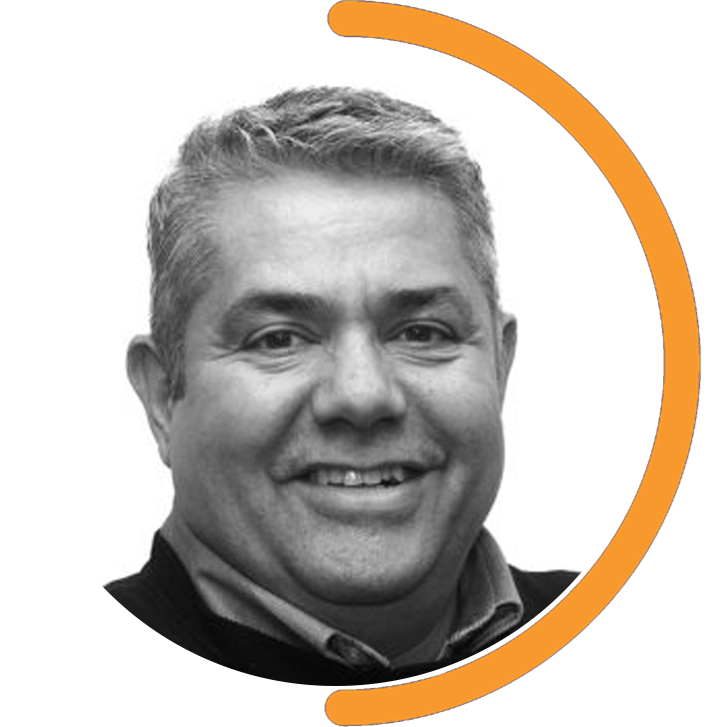
លី ម៉ាក់គ្រីឌី
Consultant | ERA GroupA results-driven IT transformation specialist, Lee brings to ERA extensive enterprise sales experience across cloud migration, digital transformation, SaaS telephony, and network integration, with a consultative approach and a strong track record of building partner ecosystems with global firms including IBM, Microsoft, and Accenture to solve complex business challenges and reduce costs.