
No se encontraron artículos.
All posts

Electrificando la última milla en Centroamérica

authors

Rafael Cuestas Rölz
No se encontraron artículos.

Contenido

Voy a ser la URL para copiar

Convenience; risks and opportunities for corporate fleets

The electrification of last mile fleets in Central America is already an economically viable decision on urban and peri-urban routes with predictable daily journeys and return to base. The overall benefits (lower cost per kilometre; reduced maintenance; improved ESG and driving experience) can outweigh the challenges (initial CAPEX; charging infrastructure; operational management; insurance and availability of models in certain niches). The key is not "all or nothing"; but rather sequencing the change with measurable pilots; prioritising countries/cities with better conditions and designing the operation to "charge when you can" (home; base; public; DC in corridors); rather than "fill up when you need to".
Our recommendation is a phased rollout: 90–120-day pilots; TCO and carbon metrics; energy agreements and charging SLAs; then scaling in waves with a focus on short routes (<150–200 km/day); night shifts; and centers with available power.

Why now?

  • Fuel volatility: the differential compared to the electricity tariff (especially off-peak) favours vans and light trucks in last-mile delivery with return to depot.
  • Maintenance: fewer moving parts (no oil/filter changes); more durable brakes due to regeneration; greater mechanical availability.
  • Customer and brand: quieter deliveries with lower emissions; valuable for retail chains and brands with ESG goals.
  • Suitability for use: 99% of car journeys are less than ~160 km (100 miles); within the useful range of most current BEVs; with overnight recharging; range anxiety is rarely an operational constraint in last-mile delivery.

Advantages; disadvantages and risks (fleet perspective)

Advantages

  • TCO: lower cost per km when charging at depot/home during off-peak hours; less scheduled maintenance.
  • Availability: fewer stops at the workshop; more effective delivery hours.
  • Driving experience: instant torque; smoother and quieter driving; positive impact on driver safety and fatigue.
  • ESG and tenders: reduction in emissions and noise opens doors to contracts with "green" requirements.

  • CAPEX: higher purchase price in some segments (although falling).
  • Infrastructure: sizing contracted power; AC points at base (and in homes where applicable) and DC only for critical routes.
  • Insurance and residuals: policies (battery) and residual values require specific technical negotiation.
  • Operation: route planning and charging windows; driver training; monitoring of charging SLAs and equipment uptime.
  • Model availability: solid offering in vans and light trucks; more limited in heavy trucks or very intensive applications.
  • Automatic reimbursement for electricity at home (where applicable); access to charging at company facilities and; for extreme travel profiles; ICE holiday vehicle as a contingency valve.
  • Telemetry and analytics from day one: duty cycles; kWh/100 km; battery degradation; idling and driving style.
  • Energy contracts: tiered pricing and demand management to flatten night-time peaks.
  • Infrastructure SLA: availability (>98–99%); fault response; OCPP settlement; and electrical safety.
  • Route analysis (km/day; topography; windows); possible charging points; base power; risks.
  • Reference TCO matrix (capex; energy; maintenance; insurance; residual; carbon).
  • 5–15 vehicles per prioritised country/city.
  • KPIs: cost per km; kWh/100 km; uptime; punctuality; charging incidents; customer complaints.
  • Quick wins: adjust windows; charging locations and driver training.
  • Governance: Pilot PMO with biweekly meetings.
  • Extend to short urban routes with return to base and overnight AC charging.
  • Introduce DC where the business model requires it (delivery times; commercial SLAs).
  • Standardise SLAs with charging operators and energy contracts.
  • R1: Underinvestment in charging → Technical sizing; phased rollout; agreements with utilities and operators; SLA of >98–99%.
  • R2: TCO not compliant → Pilot with "shadow TCO"; telemetry; continuous route and load improvement.
  • R3: Insurance/warranties → Policies with battery coverage and repair times; uptime contracts.
  • R4: Internal resistance → Training and internal ambassadors; start in countries/cities with greater acceptance; as suggested in the ERA paper (start step by step with pilots).
  • R5: Regulation and incentives → Prioritise markets with clear frameworks; plan the fleet to be profitable without incentives in the medium term.
  • Mindset shift: "charge when you can" (home; business; public; DC).
  • Recommendation to move forward step by step and start with ambassadors and countries with greater acceptance.
  • Fleet policy practice: home reimbursements; business charging and ICE holidays as a contingency
  • Lower-emission transitional alternatives (HVO; biofuels; gas; hydrogen) when BEV is not yet viable

Disadvantages/risks to be managed

Conditions for success (operational first)

Charge instead of refuel. A change in mindset is key: structure operations to charge when possible (at home, at the depot, on public roads, and using DC fast charging for quick replenishment en route).

Fleet policy and processes

Electrificando la última milla en Centroamérica

Phased approach (what works in Central America)

Step 1 — Diagnosis and business case (2–4 weeks).

Step 2 — Pilot (90–120 days).

Step 3 — Scaling in waves. Note: not every profile is optimal for BEV today. Where infrastructure or usage prevents this, consider lower-emission alternative fuels (e.g. HVO, biofuels, gas) as a transitional step, while maintaining the strategic course towards BEV.

Which models to prioritise and where (practical vision)

The regional offering is dynamic, but there are already valid options for urban delivery (vans and light trucks): Maxus (eDeliver vans, T90EV pickup), BYD (T3 and other commercial options), JAC (light EV truck), Foton (light EV truck), and in some markets the Ford E-Transit. We recommend multi-brand RFPs with 5–7-year TCO criteria, including battery warranties based on energy delivered, spare parts availability, and access to certified workshops.

Key risks and mitigation

Conclusion

The last mile in Central America already offers winning business cases for electric vehicles when operations, energy, and infrastructure are designed in an integrated manner. It’s not just a matter of “buying vehicles”; it’s about reconfiguring processes, contracts, and operating culture. An approach based on measurable pilots and disciplined scaling reduces risks and accelerates returns. Where BEVs are not yet viable, alternative fuels can provide a bridge without losing strategic direction.

References from the ERA Group white paper used:

  • Mindset shift: “charge when possible” (home, business, public, DC).
  • Recommendation to proceed step by step, starting with ambassadors and countries with higher acceptance.
  • Fleet policy practice: home rebates, business charging, and using ICE vehicles on vacation as a contingency.
  • Transitional, lower-emission alternatives (HVO, biofuels, gas, hydrogen) when BEVs are not yet viable.
Related articles

También te podría gustar

Noticias

ERA Group highlights four measures for companies to increase efficiency and resilience through water optimization

Noticias

Your "Just-in-Time" strategy is dead

Noticias

FX in LATAM

Noticias

The Strategic Overlooked: The Potential of Indirect Costs

Noticias

Review of cost structures

Noticias

Your 2026 margin

Noticias

The profit margin

Noticias

Cost optimization and talent development are key factors in 2026

Noticias

The clock moved but didn't stop

Noticias

The lack of visibility goes unnoticed until it hurts

Noticias

ERA Group offers 10 tips for optimizing costs in your franchise in an international landscape full of uncertainties

Noticias

The ERA team participates in CPONet 2025

Noticias

AI Strategy in Procurement: Practical Webinar Series for Decision-Makers

Noticias

Generative AI in Palibex’s expense management during the iFAES event

Noticias

Optimizing for a normal day won’t save you on a critical day

Noticias

The Spanish food industry is exercising caution in the face of new tariff threats between the US and the EU

Noticias

The Spanish logistics sector

Noticias

Interview with our new partner: Arthur Dobma

Noticias

Emergencies That Turn Into Budget

Noticias

Operar Agroindustria

Noticias

What happens if we “flip” the EBITDA?

Noticias

RIGI: the new language of investing

Noticias

The CFO’s Closet: When You Have Everything, But Nothing Goes Together

Noticias

Want to dominate 2026?

Noticias

If your checkout depends on an Excel file, you’re at risk

Noticias

Saving is fine, but...

Noticias

Everything is connected in logistics and distribution

Noticias

Bank fees don’t take a vacation

Noticias

Awkward Moments for CEOs/CFOs

Noticias

Greater financial sustainability for prestigious Chilean sports institution

Noticias

A cross-disciplinary perspective on finance and sustainability

Noticias

The sea is the same for everyone; what changes is who is at the helm

Noticias

Eight trends for 2026: prices, passion, and the risks ahead

Noticias

2025 at a Glance: Costs, Complexity, and the Road to 2026

Noticias

Romnes AS enters into a cooperation agreement with ERA Group regarding cost analysis

Noticias

Taking Advantage of the Summer Downtime⁣

Noticias

Your Company’s Special Calendar: Why Managing Costs Means Managing Time.

Noticias

Saving in Practice

Noticias

Investment in AI

Noticias

The uncomfortable truth about profitability

Noticias

Will your brand survive, or will it win?

Noticias

ERA Group identifies ten keys to building supply chains ready for a constantly changing world

Noticias

The Hidden Cost of Paying “the Way We’ve Always Done It”

Noticias

Tax structure optimized for large contracts

Noticias

Holding on to what matters when everything around you changes

Noticias

The Value of Specialization: Our Secret at ERA Group

Noticias

Draft Bill on Mining Suppliers in San Juan

Noticias

Spanish investors have doubled their investment in oil and gas since the start of the war with Iran

Noticias

You can’t prevent an earthquake. But you can prepare your cost structure.

Noticias

Manuel Velázquez contributes to El Debate in his February article on energy

Noticias

World Logistics Day: Why Companies Can No Longer Afford Reactive Logistics

Noticias

Energy: The cost isn’t just in the kWh.

Noticias

New video testimonial with Jordi Romero, CEO of Schmitz Cargobull Ibérica S.A.

Noticias

Compliance without suffering

Noticias

How Your Company Closed in 2025

Noticias

Your margin is slipping away in "little details"

Noticias

A clear view of your company's actual cash flow

Noticias

The cost no one wants to touch

Noticias

Generate real savings without laying off anyone

Noticias

A New Economic Dawn

Noticias

The delay isn’t the problem. The problem is how you use that time.

Noticias

80% of savings aren’t where we usually look for them: how a CFO thinks when profits fall

Noticias

Microsoft is adjusting prices in 2026. The most interesting part isn’t the price hike.

Noticias

Sustainability is not an expense but a source of savings and leadership

Noticias

The impact of tariffs on geopolitics and the foundry industry is in the planning

Noticias

The day the electricity also started showing “out of power”

Noticias

Optimizing energy use is like carrying an adapter

Noticias

ERA Group identifies four key challenges forcing professional services firms to act with urgency

Noticias

ERA Group appoints Marcel Lal as new Global Chief Development Officer to drive its international growth

Noticias

What the Incas Taught Me About Keeping Costs in Check at a Large Company

Noticias

The rail freight sector calls for more competitive, sustainable logistics that are connected to Europe

Noticias

What December Tells You About Your Business

Noticias

Sponsorship of the Markham Interhouse Golf Tournament

Noticias

Running a business is like playing chess

Noticias

How Much Is Your Company Losing in MRO Management

Noticias

The Rise of Streaming

Noticias

Your company is a link in the supply chain

Noticias

When the trip is well planned, the work involved in purchasing is barely noticeable

Noticias

The conflict in Iran affects fixed electricity and gas rates

Noticias

5 Supply Chain Management Trends to Watch in 2026

Noticias

The "just in case" scenario that ends up costing a lot

Noticias

Shoemaker, make your own shoes

Noticias

The Goal of the Implementation

Noticias

Without cost management, there is no sustainable impact

Noticias

Tariffs, Geopolitics, and Smelting: Why the Real Impact Isn’t in the Price, but in Planning

Noticias

What I Learned While Diving in the Maldives About Seeing What Really Matters in Costs

Noticias

Outsourcing: The Cost That Grows on Its Own

Noticias

When the retail boom has already landed, but the cost journey continues to take its toll

Noticias

From Apparent Stability to Risk Management: What Energy and Transportation Companies Must Learn Ahead of 2026

Noticias

Is your company sustainable by conviction or just on paper?

Noticias

The problem isn't the analysis

Noticias

Detect hidden charges on electricity bills

Noticias

From Reactive Control to a Forward-Looking Strategy

Noticias

Strategic Expansion of Executive Leadership: ERA Group DACH Strengthens Marketing and Franchise Recruitment

Noticias

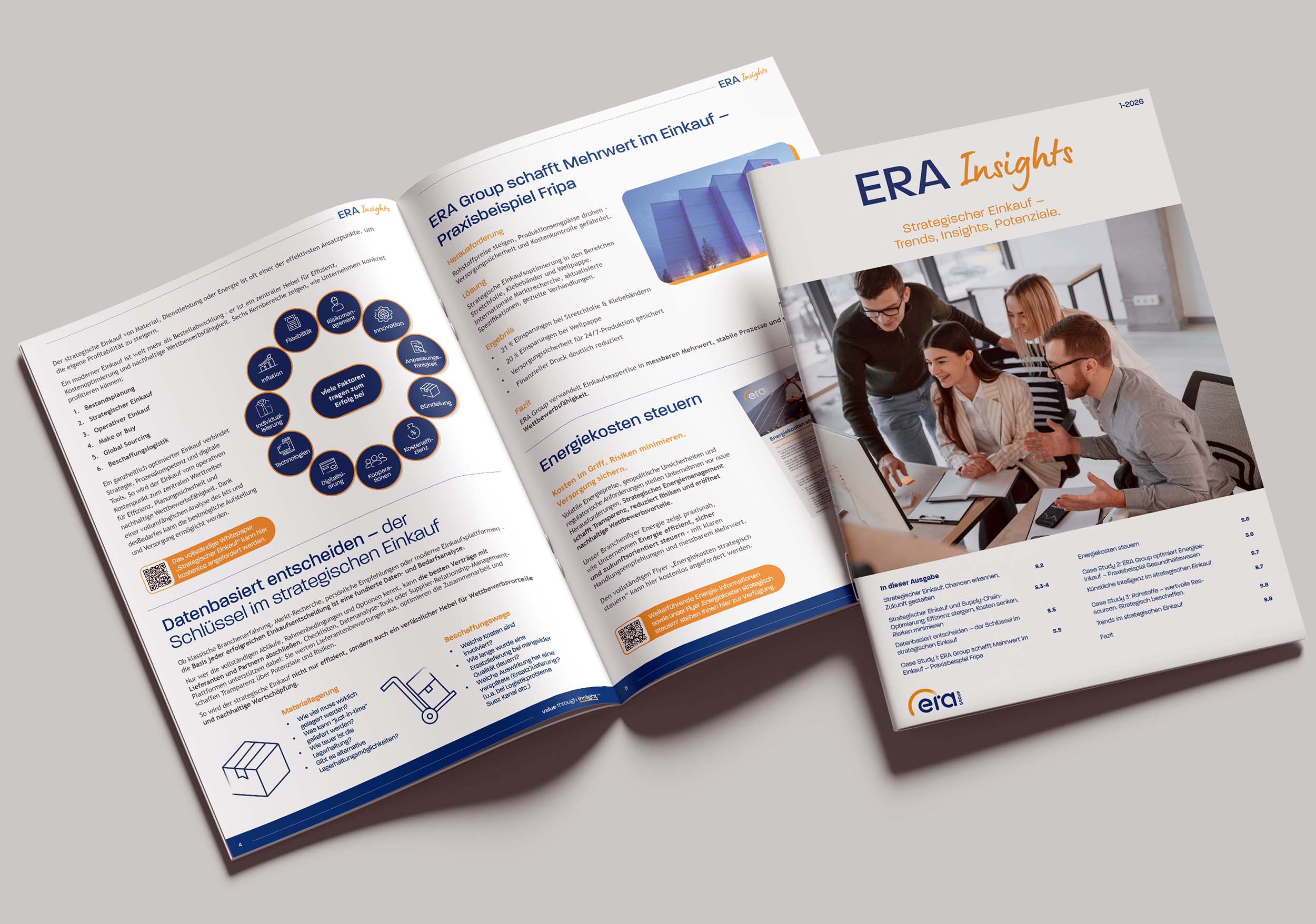
ERA Insights Newsletter 01/26 - Strategic Procurement

Noticias

Webinar summary: "The hidden costs of temporary work"

Noticias

Webinar with Dominique Seux: his presentation in 6 key points

Noticias

ERA Netherlands Country Manager - Theo Bouwmans - speaks with FranchisePlus Magazine

Noticias

Robotic process automation in the time of COVID-19

Noticias

The hotel industry is growing; with significant reserves in conference tourism

Get insights that drive your business

¡Gracias! ¡Su envío ha sido recibido!
¡Ups! Algo salió mal al enviar el formulario.