All posts
The rail freight sector calls for more competitive, sustainable logistics that are connected to Europe


The rail freight transport sector calls for more competitive, sustainable logistics that are connected to Europe
(Taken from the Monte e Freitas publication)
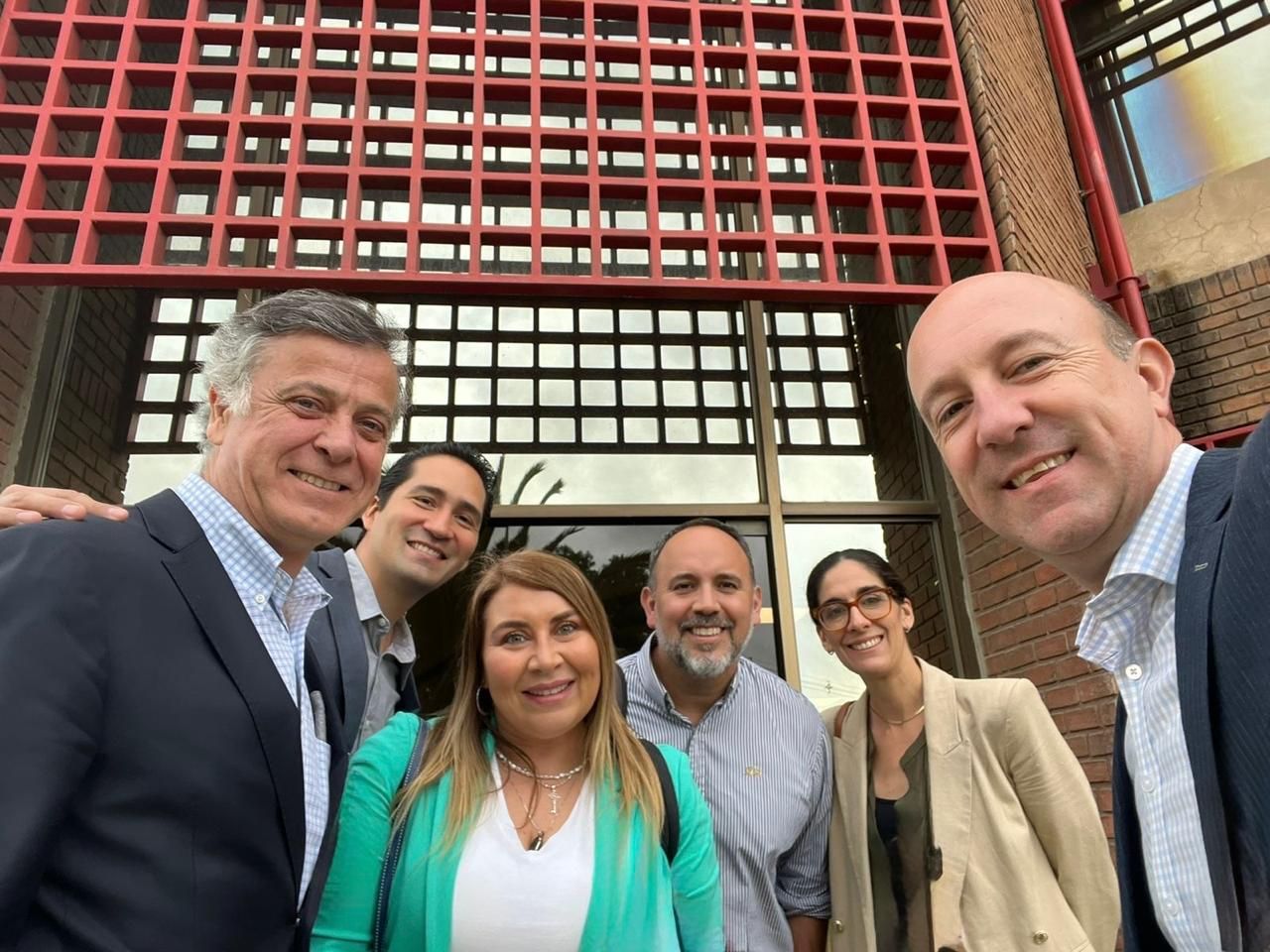
The headquarters of the Official Association of Industrial Engineers of Madrid (COIIM) hosted the 1st Annual Forum on the Future of Rail Freight Transport, an event that brought together experts, companies, professionals, and government agencies to discuss the challenges and opportunities of rail freight transport in the Iberian Peninsula.
Organized by the European Alliance cor
REDores.eu, the Corell Foundation, and the COIIM itself, the Forum was created with the goal of promoting a logistics system that is more efficient, resilient, and prepared for the demands of a global market.
Currently, Spain transports only 4.2% of its freight by rail, making it the country in Continental Europe with the lowest percentage. This figure underscores the need to move toward a more competitive, sustainable, and Europe-connected rail network.
Challenges and Opportunities Within a Strategic Proposal
During the event, a strategic proposal was presented, structured around six key pillars, including trans-European connectivity, network efficiency, intermodal integration, and the preparation of infrastructure for dual civil-military use, in line with the strategic needs of the European Union.
Among the highlights of the presentations was the study “The Zaragoza Railway Hub: A Model of Reference for the European Transport Network.” Iñaki Barrón de Angoiti, technical director of cor
REDores.eu, explained that the study analyzes the possibilities for action at the Zaragoza Railway Hub or Arterial Network, particularly on the Delicias-Miraflores urban section, one of the busiest and with the greatest growth potential in the Spanish railway network.
Roundtables: Delving into Logistical Challenges
The Forum’s program featured three roundtables addressing different topics related to the future of logistics:
“Challenges in the Design, Construction, and Operation of Transport Networks: The Trans-European Railway Network and Dual-Use Civil-Military Infrastructure”
Moderator: José Víctor Esteban, Secretary of cor
REDores.eu and Secretary General of the Corell Foundation
Participants: This panel brought together Ruth García (Head of Marketing at Marcotran), Pedro Ramos (Global Account Manager at DB Cargo / Transfesa), Jaime González (Director of Business Development and Strategy for Southern Europe at Ewals), José Ramón Obeso (member of the UOTC Management Committee), José Andrés Arribas (Manager of FAPROVE), and Lieutenant General Juan Montenegro Álvarez de Tejera.

Discussion: The panelists noted that road transport has been trying to shift to rail for decades, albeit with many difficulties. Companies such as Marcotran and Transfesa value public investment in infrastructure, but criticize the fact that construction projects interfere with their current operations and that subsidies do not reach operators or shippers.
Despite the government’s commitment to rail, the share of freight transported by train continues to fall and could end 2025 with its third consecutive year of decline.
Furthermore, there is concern that increased capacity in road transport is making rail less competitive. Finally, it is noted that SMEs have difficulty accessing intermodal transport, and it is proposed that they receive specific support from the government.
“Toward Competitive, Sustainable, and Connected Rail Transport in the Iberian Peninsula”
Moderator: Ángel Gil, Vice President of CEL and Manager of the ALIA Cluster
Participants: The session featured insights from experts such as Cristina Rodríguez (Head of Sales and Business Development at the Port Authority of Valencia), Miguel Fañanas (Head of Iberian Business Development at Medway), Ramón Adé (Manager of tm
Z), Juan Carlos Arocas (Managing Director for Iberia at Trans Italia), and Juan Diego Pedrero (President of AEFP Privadas – AEFP).
Discussion: The panelists view rail as a fundamental driver for maritime-port logistics; a true lever for development.
All considered the commitment to rail to be firm and strategic. A clear example of this is the launch of the rail highway in June 2024, which reflects the commitment to this mode of transport.
Rail is a natural extension of ports, an infrastructure that adds value to the business ecosystem, facilitating and promoting the efficient movement of goods.
Panel on Logistics Hub Models
Moderator: Federico Aranega, President of the Legislative Observatory of cor
REDores.eu
Presentations: Enrique Rivas, CEO (Managing Partner) of Easy
Rail, detailed the Central Europe Hub, and Robert Claraco presented the Southwest Europe Hub.
Discussion: In this presentation, participants offered innovative models to optimize freight flows and the efficiency of the logistics network.

Conclusions and Future Outlooks
Salvador M. Galve, president of the cor
REDores.eu Alliance, highlighted the Forum’s commitment to continuity as a space for strategic reflection to promote a more efficient and better-prepared logistics system.
For his part, César Franco, president of the Professional Union of Engineering Associations, who delivered the closing remarks, emphasized that rail is a key sector for the country’s reindustrialization and competitiveness.
In his remarks, he called for a modern, interoperable network connected to ports and industries, where infrastructure serves the customer, emphasizing that engineering must lead this transformation toward a more efficient, sustainable, and European logistics model.