


- Eight trends for 2026: prices, passion, and the risks ahead(Translated into Spanish from the original "Eight Trends for 2026: Pricing, Passion, and the Risks Ahead")
From inflation to innovation, from happiness to productivity, the faculty at Harvard Business School highlights the forces likely to shape the business world over the coming year.
Business leaders have had to navigate many conflicting forces over the past year: rising markets and mixed economic signals, AI opportunities, and fatigued consumers. This complexity is likely to continue in 2026.
We asked Harvard Business School faculty to share the trends leaders can expect in the coming year and to offer research-based recommendations for navigating these uncertain times. Their comments have been lightly edited for length and clarity.
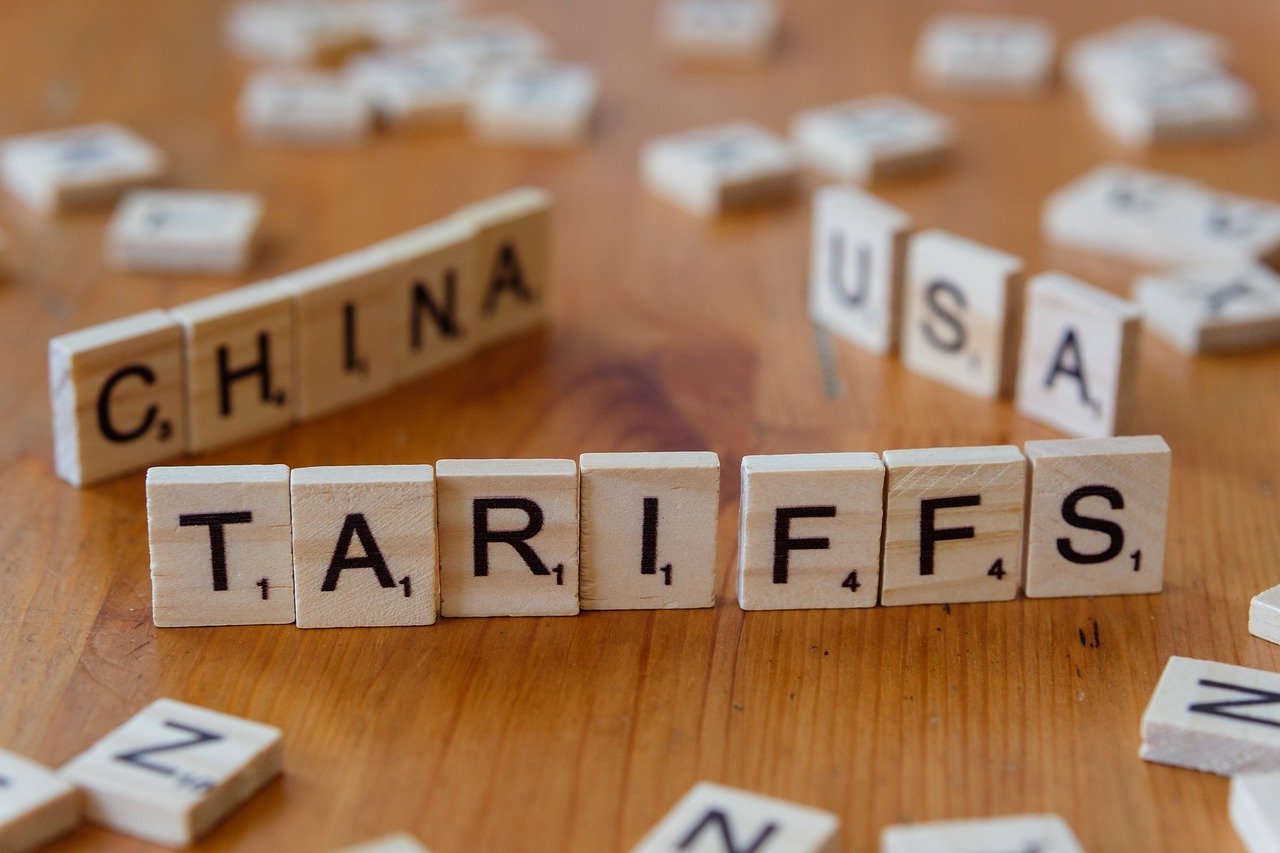
- Alberto Cavallo: Tariffs are likely to drive gradual price increasesIn 2026, a central challenge will be managing the cost increases generated by the 2025 tariff measures. The impact is unfolding gradually but is persistent and widespread. This forecast assumes that the trade war will not escalate further, in line with the recent easing of tensions and the possibility that some measures may be overturned in court.
- What the research saysUsing high-frequency price data, we find that the 2025 tariff increases have already raised retail prices.
Using high-frequency price data, we find that the 2025 tariff increases have already raised retail prices of imported goods by approximately 5.4% compared to their pre-tariff trend. Domestic goods in import-intensive sectors rose by about 3% over the same period. So far, only about one-fifth of the tariff costs have been passed on to retailers, while most of the burden continues to be absorbed upstream by manufacturers and wholesalers.
Based on these dynamics, we estimate that the cumulative contribution of the 2025 tariffs to headline inflation is approximately 0.7 percentage points, keeping the annual Consumer Price Index rate persistently near 3% and making it difficult for the Federal Reserve to bring inflation back to its target.
- What Companies Should ExpectBarring further tariff escalations, the main risk for 2026 will stem from the continued implementation of last year’s measures, driven by the incomplete and gradual pass-through of tariffs to prices. Sectors with high import content, including home furnishings and electronics, will feel the greatest pressure. Companies should map tariff exposure by product, monitor cost drift more frequently, and review procurement and pricing plans with shorter adjustment cycles.
They should also communicate clearly with customers about how tariffs affect their cost structure. Greater transparency regarding cost changes can reduce negative customer reactions and help them understand the underlying factors behind price adjustments.
- What Consumers Should ExpectConsumers will continue to experience gradual price increases, especially for lower-priced options within each category. These products typically have lower margins and therefore offer companies less room to absorb cost shocks, which is why they have shown the highest pass-through rates so far. This pattern increases the burden on lower-income households, which rely more heavily on these products. Although the increases are gradual, they add up and can put significant pressure on household budgets over time, with effects that will continue to be uneven across different income groups.
Alberto Cavallo is the Thomas S. Murphy Professor of Business Administration.

- Jaya Wen and Iyoha Ebehi: Treating tariff volatility as a design constraint
Companies should not plan for a return to a world of low tariffs in 2026. In our work on trade reorientation, we found that when the United States imposed tariffs on China, some relabeling occurred, but supply chains also shifted the location of value-added production.
This means that the tariffs had a real impact: companies could not simply route products through third countries and completely avoid the new taxes. In turn, this implies continued upward pressure on prices for both producers and consumers.
External evidence supports this conclusion. HBS professor Alberto Cavallo and his co-authors show that recent U.S. tariffs are largely passed on to import prices, with retailers partially absorbing the impact on their margins and consumers facing gradual but persistent price increases. The study concludes that retail prices in exposed categories could rise by up to 20% within six months.
By 2026, the practical takeaway for leaders is to treat tariff volatility as a design constraint in their operating model, not as a temporary shock. The baseline scenario is ongoing political instability superimposed on high price levels.
Operational leaders should:
- Deliberately diversify sourcing across countries and suppliers, prioritizing locations and partners that remain viable under various plausible tariff scenarios.
- Where possible, incorporate tariff pass-through or sharing clauses into long-term contracts so that the full impact is not absorbed when schedules change.
- Invest in granular data systems that can track exposure by product, Harmonized System code, and route in near real time, and link this directly to price and margin dashboards.
- In the commercial sphere, plan for:
- A price-sensitive consumer fatigued by inflation.
- Test pricing strategy scenarios and be explicit about which categories can withstand price increases and where it may be necessary to protect volume.
- Retail-oriented companies should shift demand toward more affordable segments and private-label brands as tariffs are reflected in shelf prices.
- Finally, establish governance for uncertainty. Make tariff and trade risk a permanent item on the board or risk committee agenda. Align public affairs, supply chain, and finance teams around a shared playbook, so that the next policy announcement triggers an agreed-upon response rather than ad hoc improvisation.