


Even best-in-class companies are not immune from leaving money on the table with their suppliers. Far too often; companies accept “good” when exceptional results are possible. The extent of savings can be very meaningful; enabling business leaders to reinvest newfound cash flows in a much more strategic manner within their business. In this article; we address why savings opportunity exists and share some best practices for companies to consider along their cost savings journey.
Don’t overlook the Pareto Principle

Companies contract hundreds of suppliers every year. Naturally; suppliers providing core products and services receive the primary focus; with companies dedicating employees; investing time; resources; and technology to ensure their core supplier agreements are fully optimised. The same cannot be said for the remaining 20% of supplier spend; where hundreds of suppliers (typically 80% of the total supplier base) provide diverse products and services. Indirect suppliers are often managed by internal managers in addition to their business-as-usual duties. While the results may be good; they are rarely exceptional.
Suppliers are your valued partners; but are you unlocking their full potential?
Suppliers are in business to earn a profit. They covet information about their customers (volume; quality; service requirements; etc.) so that they can price their products and services.
Helping suppliers mitigate their risk will save you money. When suppliers have the necessary information; prices will improve; given a lower pricing risk premium. Suppliers often know how to reduce your costs. Ask your supplier for advice. They won’t offer insights that degrade their profit margins; but they may share other cost-cutting ideas.
Best practices to deploy as you move from “good” to “exceptional"
- Ask suppliers how you can become a better customer. Strong arming suppliers will backfire. Pressuring suppliers for a discount can lead vendors to quote with higher pricing.
- Negotiate price escalations and formulas into agreements. Market pricing goes up and down. Sometimes; suppliers increase prices because customers expect it. There are also times when pricing should fall; but you see no savings.
- Group purchase organizations (GPOs) provide good but not the best pricing in many cases. While GPOs are good solutions for many; optimal pricing is best achieved through a professional RFP where requirements and volumes are fully vetted and shared.
- Focus on total cost of ownership. The lowest price does not always equal the best value. Be careful not to compromise quality or service; which may cost you more in the long run.
- Periodic RFPs are important. Long-term supplier relationships can be expensive. Relationships are important; but inserting an independent stakeholder during contract renewals provides a fresh perspective.

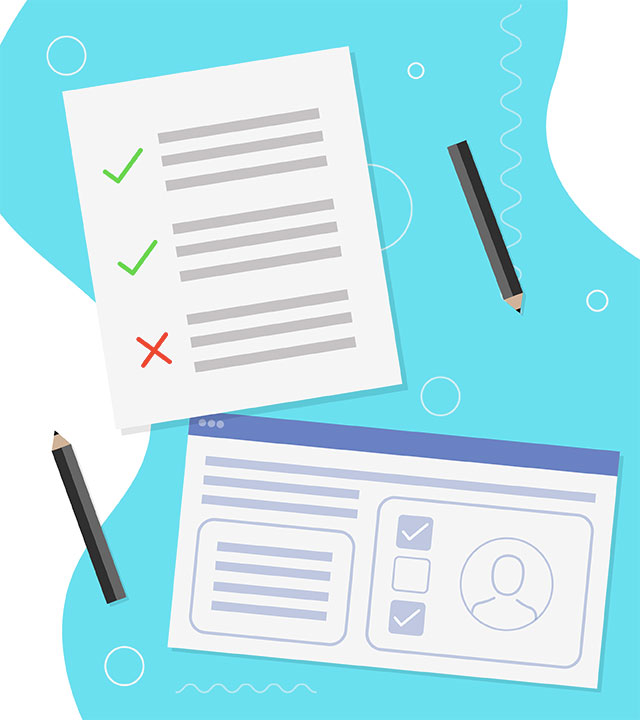
✔ Analyze spend trends and data✔ Clearly define requirements✔ Monitor spend and measure results
A well-orchestrated procurement effort can drive sustainable savings to a business beyond what most business leaders would expect. ERA Group partners with business leaders to illuminate new opportunities for supplier cost savings that drive bottom-line profit. Our mission is to ensure clients achieve the maximum value for every dollar spent with suppliers.