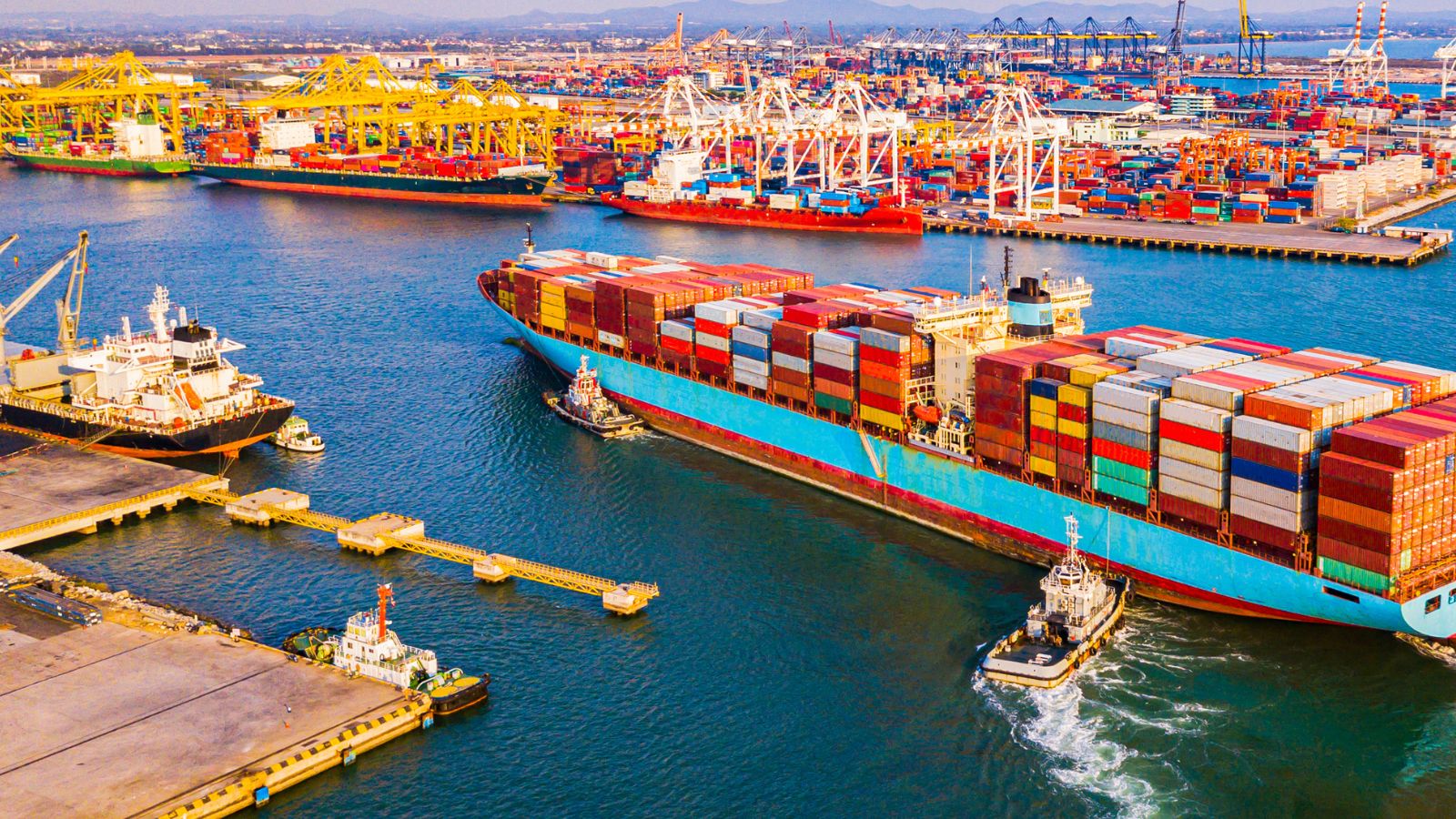
At the beginning of the year; Greencarrier estimated that the problem with freight and shipping containers would continue until the end of 2021. And they were right. There are still supply problems; delivery times are getting longer; and the problem looks set to affect even Christmas. The "hangover" from 2020; when trade was at a standstill for much of the year; has continued to affect this year due to a lack of ships; containers and personnel. At ERA Group; we have analyzed the situation and come up with some ideas for overcoming this supply crisis in certain sectors; from a logistics perspective.
The causes of this problem can be traced back to the global trade stoppage in 2020. Freight companies assembled fewer containers in the first quarter; but increased their profits by several billion dollars. The average freight rate for 40-foot containers has reached an exorbitant $9;000 and has continued to rise steadily throughout the year due to a lack of lorries; containers; ships and port closures resulting from Covid-19.
Now; with Black Friday and Christmas approaching; orders are set to increase and demand for products will continue to rise; but delays and shortages of key components such as semiconductors; various chemicals and fuel could lead to a year-end shortage of products.
Eighty per cent of global trade in goods is transported by sea; which means that the problem is so serious because we are so dependent on this means of transport. Furthermore; the fact that it is concentrated in Asia; and mostly in China; adds to the problem. The supply chain is hanging by a thread that has not yet broken. Below; ERA provides several tips that business owners can use to weather the effects of this crisis and be prepared for future situations.
- Make longer-term forecasts: it is clear that a problem such as a global pandemic is difficult to predict; but business owners must make an effort to make much longer-term forecasts; seeking to balance demand and stock.
- Change purchasing strategy: dependence on maritime transport and Asia must be mitigated; so a sensible strategy would be to diversify. This could involve moving production centers away from that continent and relocating them; either to Europe to shorten delivery times; or to another continent to have more options in case one fails; as well as starting to ship orders using other modes of transport.
- Find product substitutes: in cases where our company manufactures products; we can look for similar raw materials to those we work with in order to meet our demand without having to wait for more expensive and distant shipments from other places.
"If you put all your eggs in one basket and it breaks; you'll have problems; as we've seen recently with our dependence on the Asian supply chain;" compares Imma Foix; partner at ERA Group. "It is important to devote time to better risk management programs; to identify weak points in the supply chain and to have contingency plans in place to cover us in the event of delays; shortages or price increases."