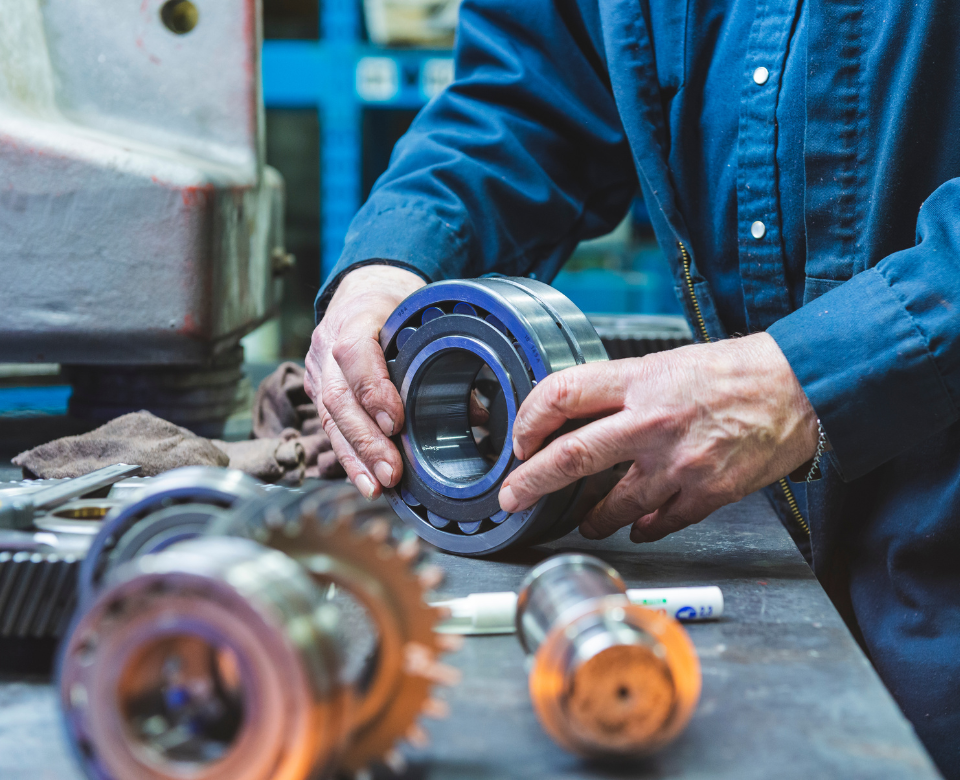
Heading into 2026, manufacturing leaders are operating in a world that is not in crisis – but is structurally more expensive and more politically constrained than the decade before COVID.
Growth is “OK, but not great” – costs are the real story. Global GDP is expected to grow at roughly 2% in 2025 and 2026 – modest but resilient. Yet high tariffs, energy costs and policy uncertainty are expected to shave up to 1 percentage point off global manufacturing growth over 2026.
- Tariffs have moved from temporary shock to permanent operating condition.
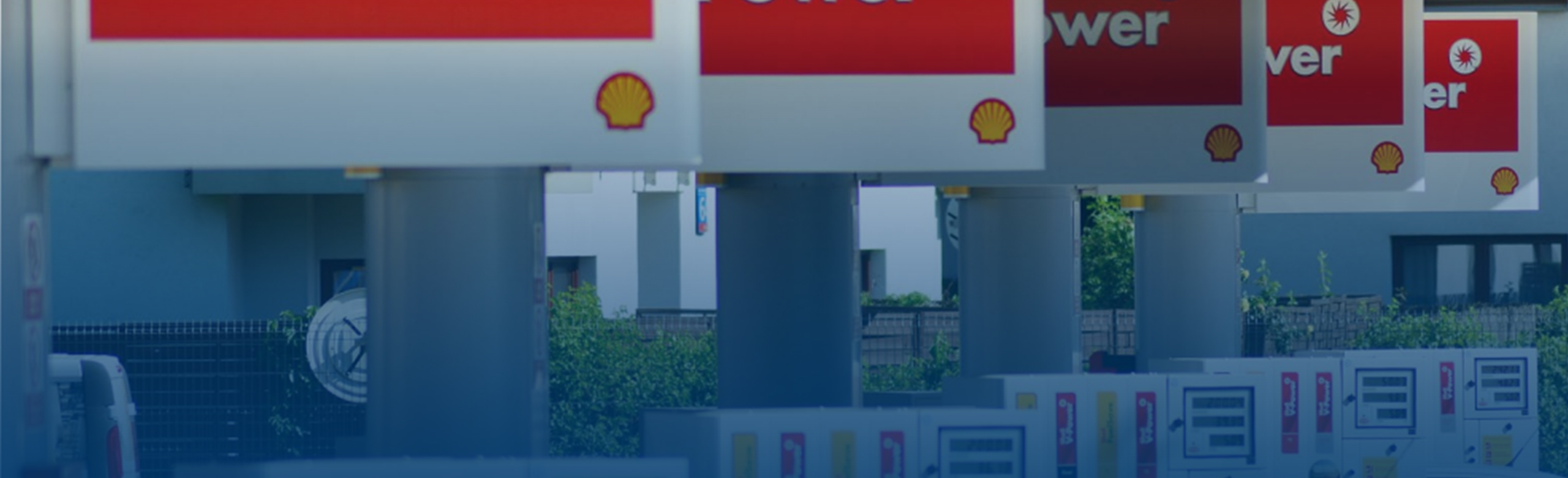
- Energy and carbon pricing are reshaping where it is economical to make things.
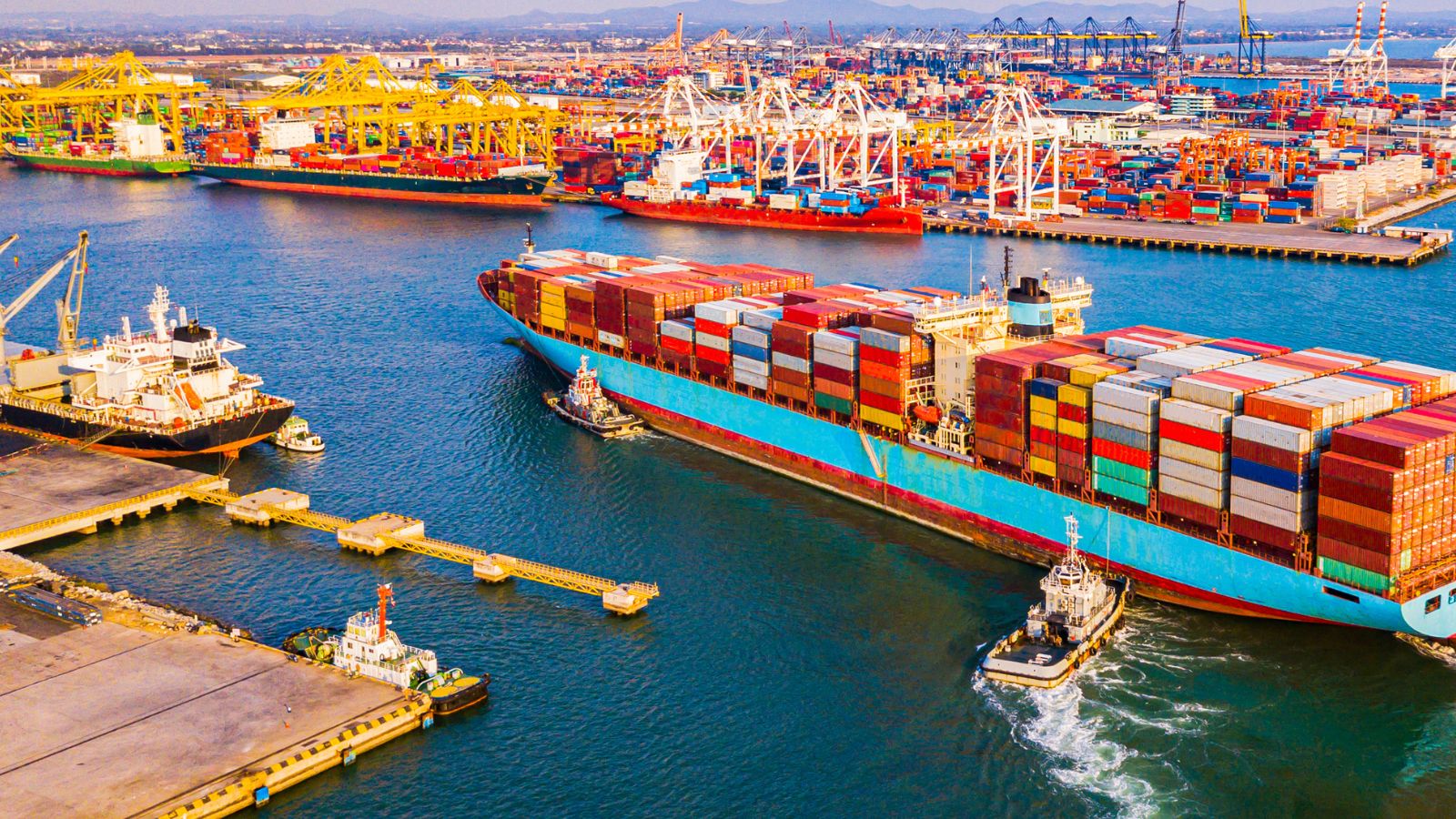
- Shipping and logistics are being re-priced by geopolitics and climate. The response is visible in factory footprints.
Discover key manufacturing strategies and insights from our cost experts in our latest whitepaper "Cost to Make, Cost to Move: Manufacturing in a Tariff-Driven, High-Energy World". Download, in full, today.

"Manufacturers cannot treat tariffs, energy and logistics as external noise. They are the new structure of the P&L. Leaders who map these forces into concrete decisions on where they produce, which suppliers they use, how they contract for energy and logistics, and how they price and hold inventory will be best placed to protect margins and capture growth in 2026."
Download the resource