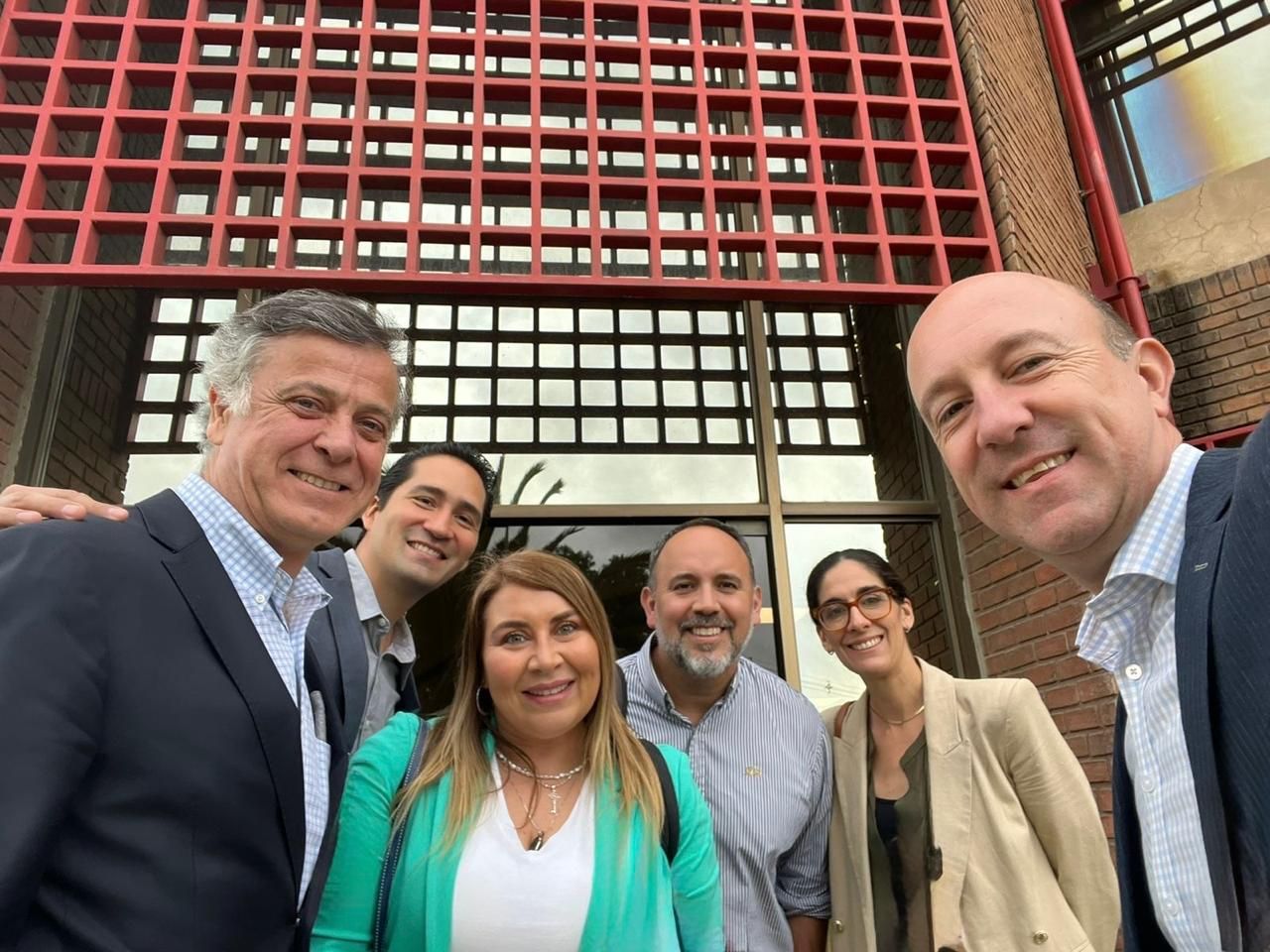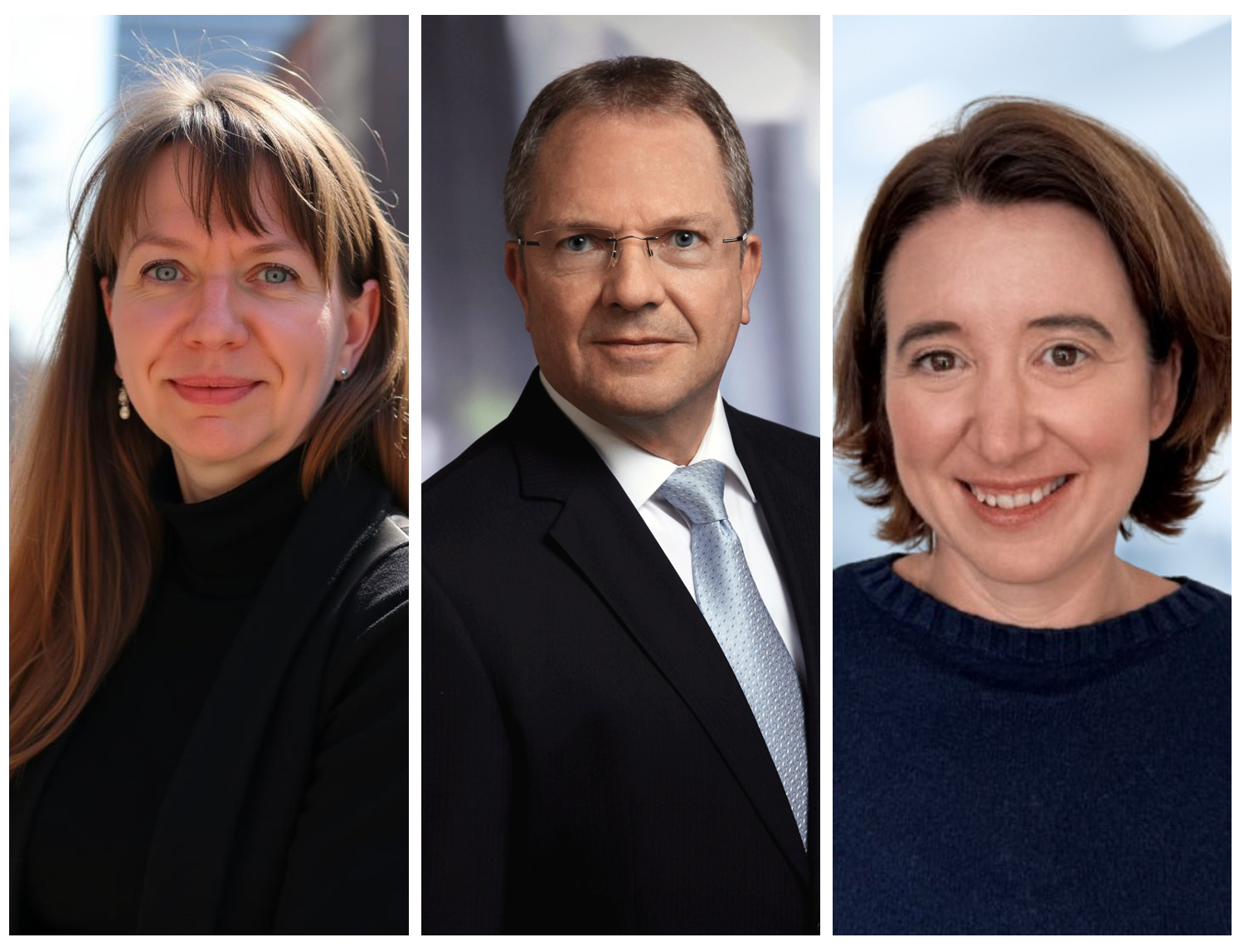
This summary contains the key information from our webinar on 25 September 2025, hosted by Peter Koninckx, an ERA France expert with over 20 years' experience in management consulting, investment banking and industrial companies. As a senior executive at Alstom Group for several years, Peter is well versed in energy issues and explains the evolution of electricity prices in France, their composition and how companies can reduce their expenditure in this essential segment.
A market that has changed significantly
The electricity market in France is no longer what it was for decades, when the entire production, distribution and marketing cycle was handled entirely by EDF. Since the market was opened up to competition – partially in 1996 and then fully in 2007 at European level – a multitude of new players have emerged, particularly in the production and marketing sectors.In just 10 years, prices have risen by 25%.After significant volatility in 2021 and 2022, linked to the war in Ukraine and its impact on the natural gas and oil markets in Europe, wholesale market prices stabilised in 2023, before finally starting to fall again in 2025.
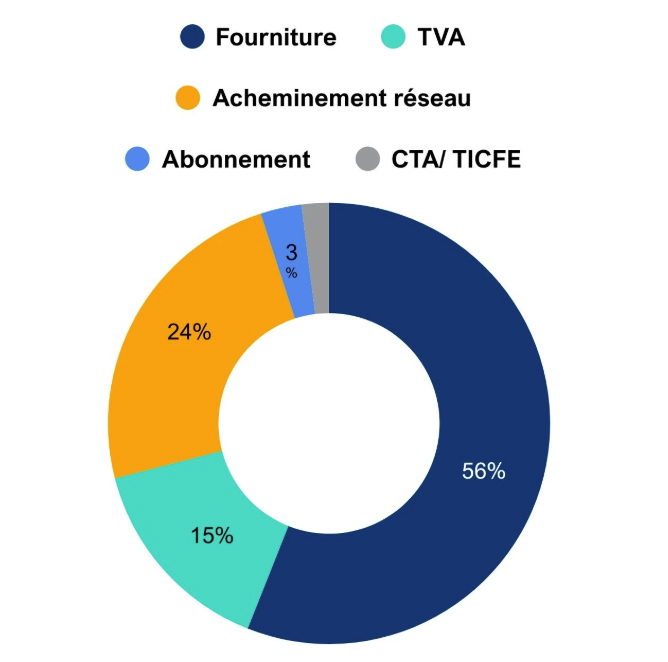
Breakdown of the price of electricity in France
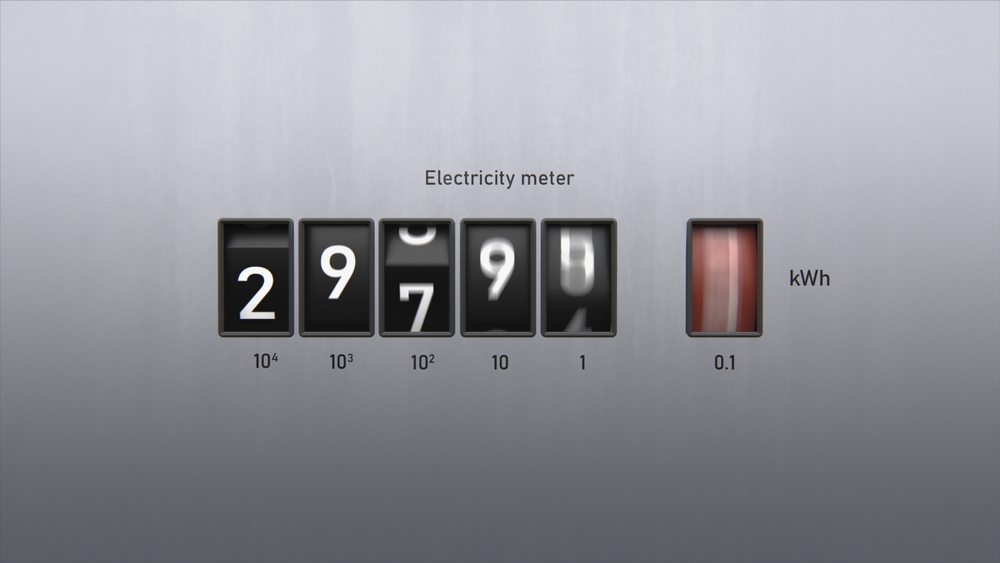
It all starts with consumption, which is expressed in kWh. But other factors also influence the total cost, which are added together:
- Supplier costs, with a fixed portion for the subscription and a variable portion for the supply
- delivery costs, also with fixed and variable portions
- and finally taxes: CTA, TICFE, VAT.
What levers can you use to reduce your expenditure?
It is possible to make substantial savings by adjusting three key parameters: 1 - Optimise your consumption:By improving energy efficiencyControlling heatingUsing self-generation2 - Optimise with your supplier:By grouping volumesBy negotiating pricesBy optimising current settings3 - Optimise delivery:By analyzing the power requiredBy reviewing your usage profileBy applying seasonal differentiation
Example with two ERA Group clients:
We often observe that, for SMEs and mid-cap companies, this category of expenditure does not represent a significant proportion of costs, so the issue is not strategic enough to warrant attention and time.Thanks to our expertise and our performance-based remuneration model, we achieve significant gains without impacting our clients' cash flow. First example: Private higher education institutionWith several establishments, this school had a total of 71 meters (delivery points) and 7 suppliers for 16 different types of contracts.After analyzing the situation and consumption patterns, ERA contacted 20 suppliers, compared 5 offers and ultimately achieved savings of 25%, including 37% on supplies. And the story doesn't end there! We are also going to optimise heating and delivery costs.Second example: Furniture assembly and distribution companyThis company, with two industrial sites and 40 stores, had already looked into the issue and taken steps to control its electricity expenditure.But even so, we were able to achieve better results while retaining the existing supplier: after comparing four offers, we achieved savings of 10% on transmission (via TURPE) and 13% on supply.
In conclusion:
- The price of energy has many components; it is not just a question of the supplier.
- There are several levers for action, which are often underestimated.
- Expert support can help identify and, above all, activate these levers.
>> If you have any questions or would like to obtain a recording of the webinar,please contact Peter Koninckx or Bénédicte Théard.