


"The end of the 'era of cheap': why your cost strategy must be based on an in-depth analysis of the supply chain"
In the food industry; cost optimisation is no longer a matter of putting pressure on suppliers; but rather of rethinking the entire supply chain with a strategic approach.
The IMD article "The End of Cheap Everything" reflects something that those of us who work in food see every day: costs are no longer optimised by negotiating a couple of contracts.
Today; geopolitical tensions; climate; tariffs and inflation impact every ingredient; every package and every kilometre of transport.
Facts & figures impacting the food industry
- The global logistics cost represents between 10% and 20% of the final price of many processed foods; in inflationary environments; it can exceed 25%.
- Disruptions in the chain have cost large consumer goods companies between 6% and 10% of their annual revenue due to stock shortages; loss of freshness or breach of contract.
- Delivery times for imported ingredients have increased by an average of +21 days over the last five years; forcing companies to increase safety stock; thereby raising fixed capital and financial costs.
- In packaging; the volatility of raw materials such as cardboard; aluminum and plastics has generated peaks of up to +40% in the last three years; eroding margins.
Why is it key to analyze the chain in depth?
- Multiplicity of suppliers: It is not enough to know who your direct supplier is. You have to map second- and third-level suppliers; logistics routes; and critical inputs whose supply could collapse due to policies or extreme events. Diversification is not optional; it is key to reducing exposure to a single source or route.
- Hidden logistics costs: Cost overruns due to delays and port transport; quality non-compliance; damage and unplanned stoppages can exceed the savings achieved in purchasing.
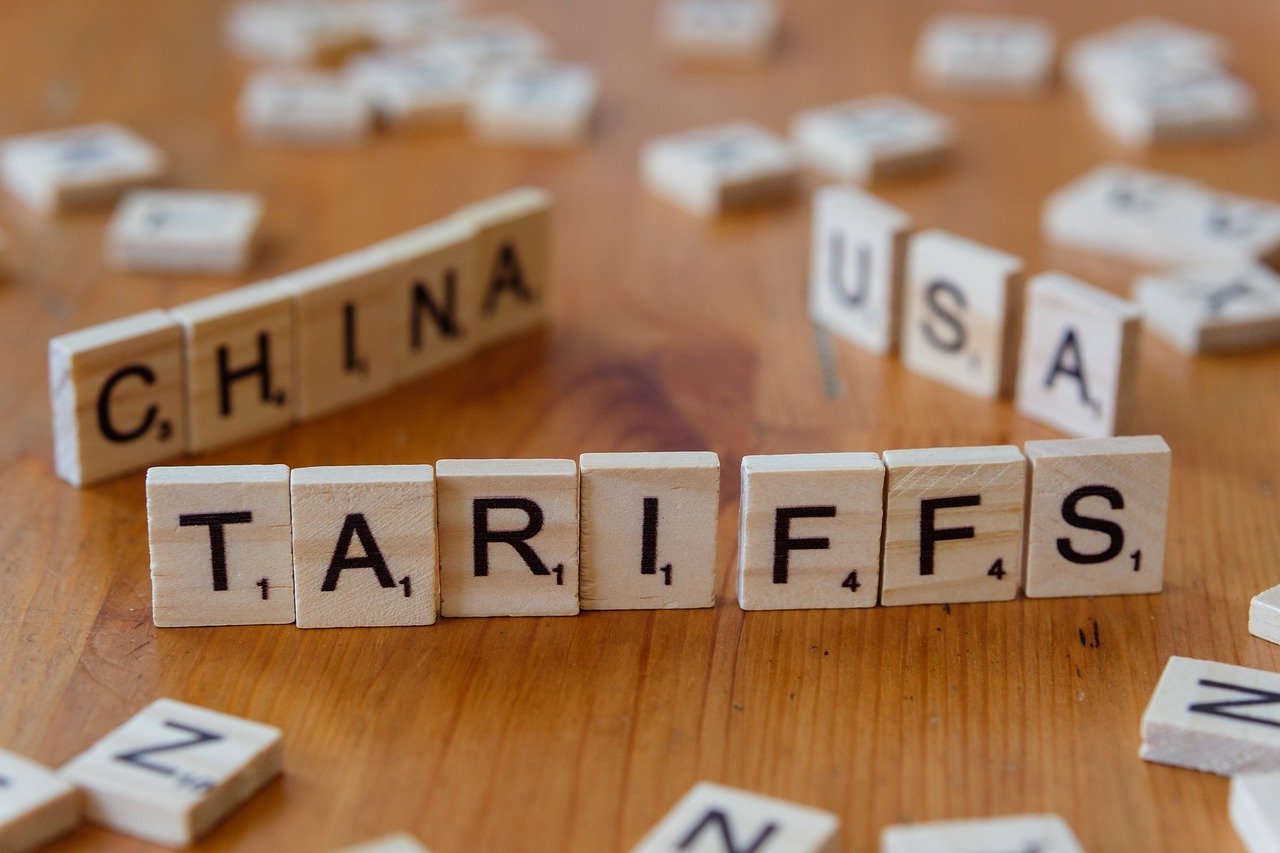
- Free Trade Agreements and Tariffs: Failure to thoroughly analyze the supplier network and each foreign trade activity can lead to missing out on the benefits of preferential trade agreements and turning a missed opportunity into substantial savings.

Message for executives/business owners in the food industry:
- It is not enough to renegotiate prices: you must map the entire supply network (suppliers; routes; risks).
- Incorporate clear metrics: actual lead time; % dependence on imported inputs; sensitivity to tariffs.
- Design contingency scenarios: what happens if the price of wheat rises by 12% or if the oil route from Asia is interrupted?
What can we do at ERA Group to increase profitability and reduce costs?
- Let's start with a diagnosis: how much do you know about each link in your chain? Where are the biggest risks (geopolitical; logistical; climatic; regulatory)?
- We have a risk-free working proposal: we work on a success basis: if we do not generate savings; we do not charge fees.
Do you want to turn risks into opportunities and improve your competitiveness? Let's talk.