
Sharp rises in energy prices are putting increasing pressure on companies in Germany. According to recent reports by KfW and Handelsblatt; electricity costs for companies have risen dramatically in recent years; placing Germany among the countries with the highest energy costs in international comparison. This development makes it essential for companies to take targeted measures to reduce their energy costs in order to remain competitive.
Continuous market observation
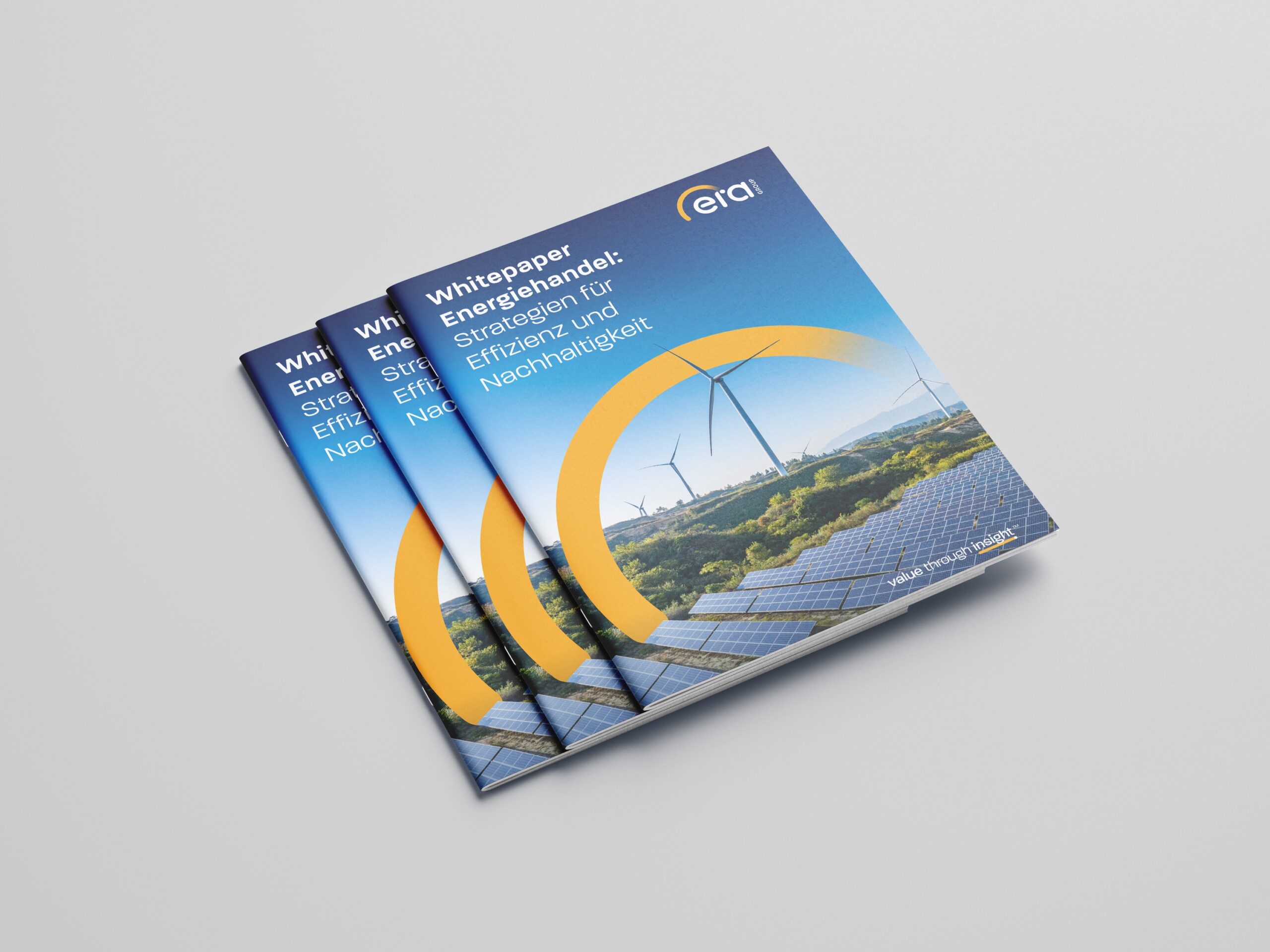
"Companies can significantly reduce their energy costs by adopting a flexible and market-driven procurement strategy at an early stage;" explains Peter Dächert; Senior Partner at the ERA Group management consultancy. "This includes not only targeted purchasing at the most favourable times; but also continuous market monitoring in order to be able to react quickly to price fluctuations." The ERA Group has produced a guide with starting points on how companies can optimise their energy prices.
Power purchase agreements (PPAs) are becoming more important
Another crucial factor is the optimisation of energy contracts. Tailor-made contracts that are precisely tailored to the needs of the company can secure long-term price advantages. Companies should also consider new models such as power purchase agreements (PPAs); which offer long-term budget security while providing access to renewable energies.
Combination of short- and long-term strategies
"It is important that companies do not leave their energy procurement to chance;" emphasises Dächert. "Through a targeted combination of short- and long-term strategies and proactive adaptation to market changes; companies can not only reduce their costs but also secure their competitiveness in the long term."
SMEs often have limited resources
Professional support is particularly crucial for small and medium-sized enterprises; which often have limited resources. The ERA Group helps to develop individual procurement strategies that are both cost-efficient and sustainable. This involves not only responding to current market conditions; but also developing long-term solutions that offer stability and security.
"Small and medium-sized enterprises are the backbone of the German economy; and it is crucial that these companies have their energy costs under control;" Dächert continues. "With our expertise in energy trading; we can help small and medium-sized enterprises optimise their energy procurement while strengthening their competitiveness. In this way; we are helping these companies remain successful even in a difficult market environment."