

Since March, many of us have been watching life unfold through a computer screen, whether it be work meetings, socialising with friends and family, classes, training courses, or other initiatives that have adapted to the virtual world. And thank goodness for that! I feel lucky to be able to continue working and investing in my personal development, even during a pandemic. However, we must not turn a blind eye to the harmful effects of spending our lives staring at a monitor.
At the beginning of the pandemic, around 40% of Portuguese people were able to work from home, a number below the majority, but still significant, as the following months would prove difficult in terms of redundancies and business bankruptcies – which still prevail today. It is undeniable that being able to continue working remotely is a privilege, but it would be unfair to say that working from home is the ideal scenario for everyone.
4 tips (tested by me) to improve the teleworking experience
Although many had the opportunity to return to the office in the summer, teleworking is still a reality and we have had enough time to identify our main difficulties and the impact on our productivity. Although the company has a duty to provide the ideal conditions for remote working, employees are not exempt from the responsibility of identifying their difficulties and reporting them to their managers.
There are a few tips for overcoming the most common difficulties, which I am sharing because I have applied them in my daily life and with my team. These are simple details, small adjustments that may seem basic to us, but which, once applied, make a huge difference.
1. Learn to share and communicate
When you share your workspace with your team, everything seems easier and more accessible. You can simply turn around and talk to your colleague next to you, or go to another floor and have a coffee while asking a question. When teleworking, sharing and communication become much more difficult.
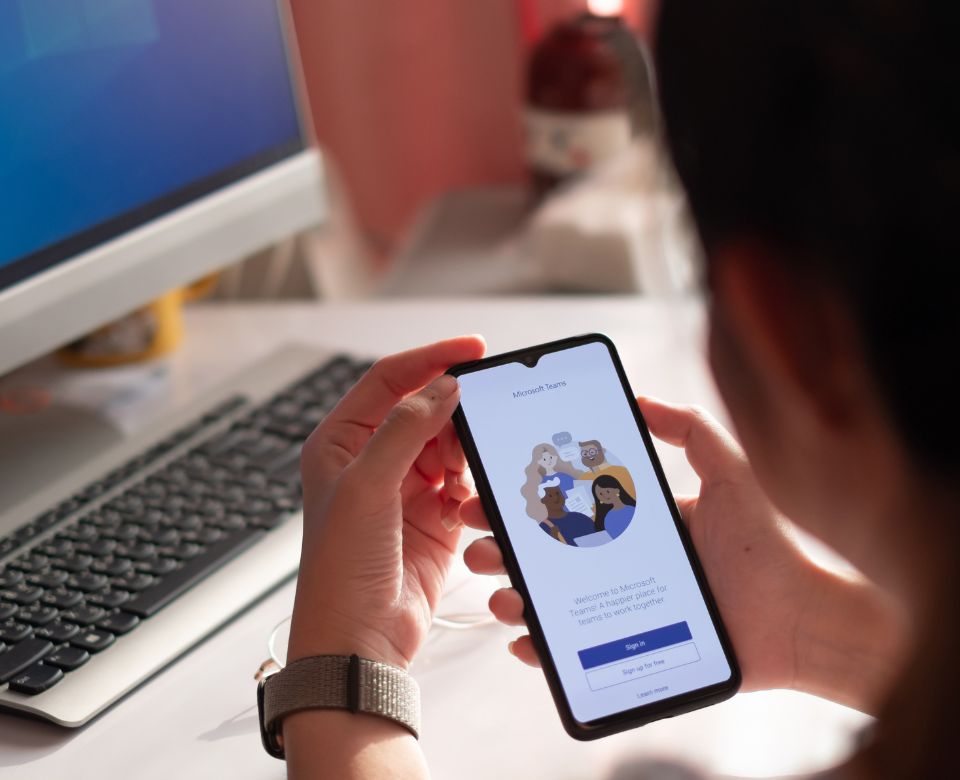
It's not that we don't want to socialise or talk to our colleagues, but what we would do naturally if we were in the office now faces several barriers. That is precisely why it is essential to insist on communication and use document sharing tools such as Google Drive and Teams, as well as internal chats, message boards and intranet groups, which allow interaction between colleagues without filling up the calendar with meetings that can sometimes hinder productivity.
2. Feeling of loneliness
For many, working from home has meant giving up moments of socialising. Especially for those who live alone, teleworking can mean spending days on end without seeing anyone's face.
In my team, we have adopted a system of working "side by side" virtually. So, in addition to meetings, which we try to reduce to what is necessary to deal with pertinent and relevant issues, we turn on our cameras every day to work together on common projects.
3. Working without a schedule
A study by the National School of Public Health revealed that more than half of Portuguese teleworkers are satisfied with their situation, yet 59% of respondents said they work longer hours than usual and 41% reported difficulties in establishing a work schedule.
By turning our home into an office, we lose some of the boundaries between our personal and professional lives, running the risk of one overlapping the other. It is therefore essential to learn how to best manage the flow of work messages through the numerous collaboration platforms.
Some people disconnect and only check their messages at certain times of the day. I stay connected throughout the day, but I disable notifications from certain groups where I know that urgent matters are not discussed.
4. Ensure correct posture
If there is one thing we have learned from this experience, it is undoubtedly that the body is always right. Portuguese homes were not prepared to serve as offices until lockdown began. The result? A lot of back pain and, obviously, a decrease in productivity.
It is not enough to have a computer and internet; it is important to have all the right equipment, from the computer to the monitor, keyboard, mouse, chair and desk. Employees who have questions about how to adapt their home to teleworking should ask for help from their company's Health and Safety Officer.
This is an essential area for ensuring the well-being of employees, which is why there were periodic inspections of the location and position of furniture and computer equipment. Productivity is greatly influenced by comfort, and now the challenge is to ensure the best conditions in the thousands of "offices" that have sprung up since March.
These are just some of the measures we have been implementing at ERA Group. We are far from perfect and are learning as time goes by, but the results of the measures implemented are very satisfactory.
If you put the measures I suggest into practice or have ideas for other useful things to improve the teleworking experience, please share them with me!