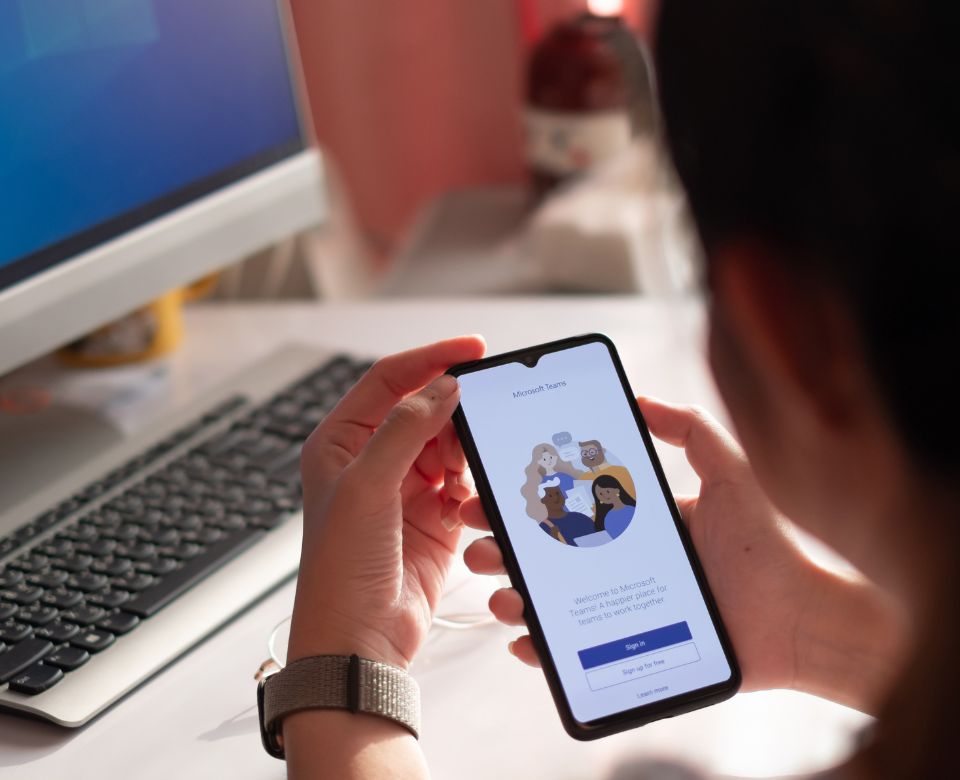


Since March, teleworking has become a valuable resource in combating the pandemic. In a previous article, I reflected on our responsibility as employees to identify difficulties and work to overcome them, and I shared some of the measures implemented at ERA Group to improve productivity.
It is true that individual autonomy and responsibility are essential for teleworking to function and productivity to remain unaffected. However, responsibilities do not end with the employee, as the company also has a decisive role to play.
Although many experts have pointed to the hybrid model as a trend for the post-pandemic period, especially in the summer, when the number of cases seemed to have slowed down, the change in scenario that has taken place in recent months has left companies with no choice. It is now increasingly imperative for organizations and leaders to invest time and resources in optimising work processes and building a culture that strengthens teams, even remotely.
What measures can the company implement to increase productivity?
1. Change the metrics
Firstly, the company is responsible for providing employees with the tools they need to do their job, which may only include a computer and peripherals, or may also include a mobile phone/telephone, headphones, Internet connection, office equipment, among others. Take the case of Blip, the Porto-based technology company, which gave its employees €650 for expenses related to teleworking.
Next, it is important to analyze productivity metrics, which should go beyond activity time and focus on indicators such as results, completed tasks or other data that are truly measurable. Invest in a management model that gives employees space to manage their own schedules.
2. Create opportunities for socialising
While in the office, socialising happens naturally because we are used to being face to face and being able to have a coffee or do business over lunch. In a virtual environment, it is natural that moments of sharing are becoming less and less frequent.
Therefore, the organization has a very important role to play in creating new moments of socialising, entirely virtual, but which allow for the renewal of bonds and a healthy exchange of ideas. This socialising does not have to be done exclusively in virtual meetings, but managers should consider holding at least one per month (in the case of large teams).
Leave work issues aside and dedicate these meetings to exchanging ideas. Other forms of socialising can include WhatsApp groups, intranet forums, and virtual parties (the BBC offers some tips on how to throw a virtual Christmas party).
3. Encourage mental health awareness
What do companies have to do with the mental health of their employees? Everything! Organizations and leaders play a key role in the mental well-being of employees, especially in the context of a pandemic.
Organize virtual sessions focused on mental health, meditation and self-care. Teach your employees to control feelings of anxiety and prioritise their own mental health. Some companies have organized virtual meditation workshops and opened online psychology offices with accredited professionals to help employees in more critical phases.
4. Work for the future
Who knows when all this will end? No one. No one can predict when we will be able to return to the office. And even when we do return, remote working will continue to be an effective cost-cutting measure.
One of the big mistakes organizations make is to simply react to external stimuli without conducting an internal assessment. Set up a team of experts within your organization to assess and manage the issue of teleworking in the long term. Don't just respond to the demands of the present: prepare your business for the future!