
Although the German economy grew slightly in the first quarter; by 0.2 per cent; the current economic weakness is real. This is caused by a variety of factors.
The energy crisis and its consequences
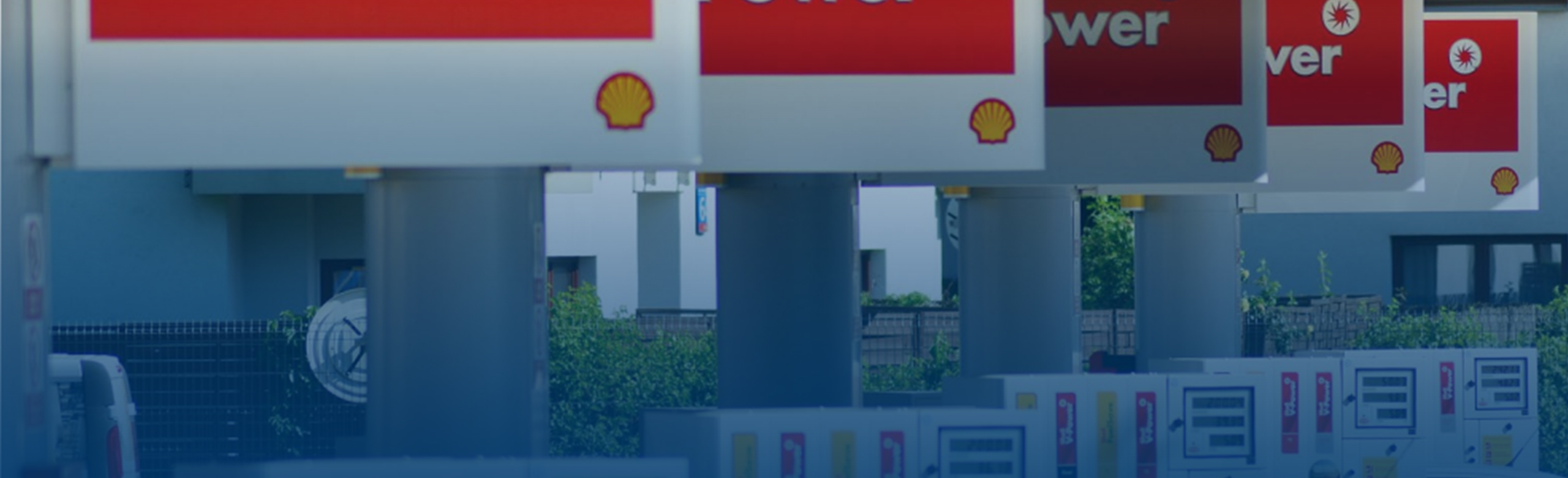
A key factor in the current economic crisis is Germany's energy policy. The accelerated phase-out of nuclear energy and the delayed expansion of renewable energies have led to an energy crisis characterised by insufficient competition in electricity prices. High energy costs are not only a burden on industry; but also on consumers; and are weakening the international competitiveness of the German economy. It is important that companies use every lever at their disposal to keep their energy costs as low as possible. White paper: Energy is more than just a commodity
Structural problems as a brake on growth
Germany's infrastructure and innovative strength are lagging behind. Outdated technologies and hesitant digitalisation in key industries are hampering economic growth. This lack of modernisation is causing Germany to fall behind in the global race for technological leadership. But this is precisely where companies can take action to increase their productivity.
Demographic challenges
Another long-term problem is demographic change. An ageing population and a shrinking labour market could overload social security systems and reduce productivity. Demographic change is certainly the biggest challenge at present – but there are starting points such as an optimised HR strategy; digitalisation and automation concepts.
White paper: The challenge of skilled labour shortages
The wave of insolvencies
Economic uncertainty has already led to a wave of insolvencies; especially among small and medium-sized enterprises; which form the backbone of the German economy. This development threatens jobs and leads to a shortage of innovation and entrepreneurship. The risk of insolvency can be reduced primarily through forward-looking financial planning and active working capital management.
White paper: Working capital as an internal financing lever
Outlook and possible solutions
Overcoming this crisis will require a comprehensive rethink. Efficiency gains and cost optimisation could make German companies more resilient. The use of technology and digital transformation; as already successfully practised in other countries; could play a key role here.
The ERA Group can support companies in these difficult times by offering innovative approaches to cost reduction and efficiency improvement. The focus is on optimising operational processes and implementing advanced technologies that help to reduce costs and increase competitiveness.
In these turbulent times; smart and forward-looking economic policy is more important than ever. Only through a combination of technological innovation; structural reform and global adaptability can Germany set the course for a successful future.