Uncertainty delays investment in innovation
More than 60% of companies surveyed expect their sales volume to decline this year, and more than 40% do not believe they will reach 2019 levels before 2022. These are some of the conclusions of the study recently published by ERA Group, our consultancy specialising in cost optimisation and procurement management, with the aim of understanding how the Portuguese business community is coping with the economic impacts of the pandemic and what the outlook is for the future.
The report, the result of a survey conducted during October, analyzes the expectations and concerns of Portuguese entrepreneurs and the measures adopted in cost and cash flow management since the beginning of the pandemic in Portugal.
To ensure sustainability in uncertain times, more than 70% of companies have been implementing cost-cutting measures. However, these measures are not necessarily synonymous with staff cuts, as only 30% have been forced to reduce the number of employees or are considering doing so. In fact, in terms of indirect costs, those that cause the most concern, due to their volatility in the circumstances, are logistics (around 50%) and energy (around 35%).
Cash flow, which is crucial to the health of companies, especially smaller ones, has remained stable for most respondents, who have seen the same pace of payments from their customers over time. However, to safeguard liquidity, approximately 40% of companies have postponed or will postpone new investments until the uncertainty begins to dissipate.
According to João Costa, Country Manager of ERA Group, "Over the years, companies have followed different approaches to 'saving for', with the two most recent and popular being 'saving for growth' and 'saving for transformation'. As a result of the current situation, there has been a drastic shift towards a 'saving for survival' stance. To navigate these adverse times, it is essential that CFOs implement strategies that allow them to save on costs and protect cash flow, preventing businesses from deteriorating further. The path to recovery lies here."
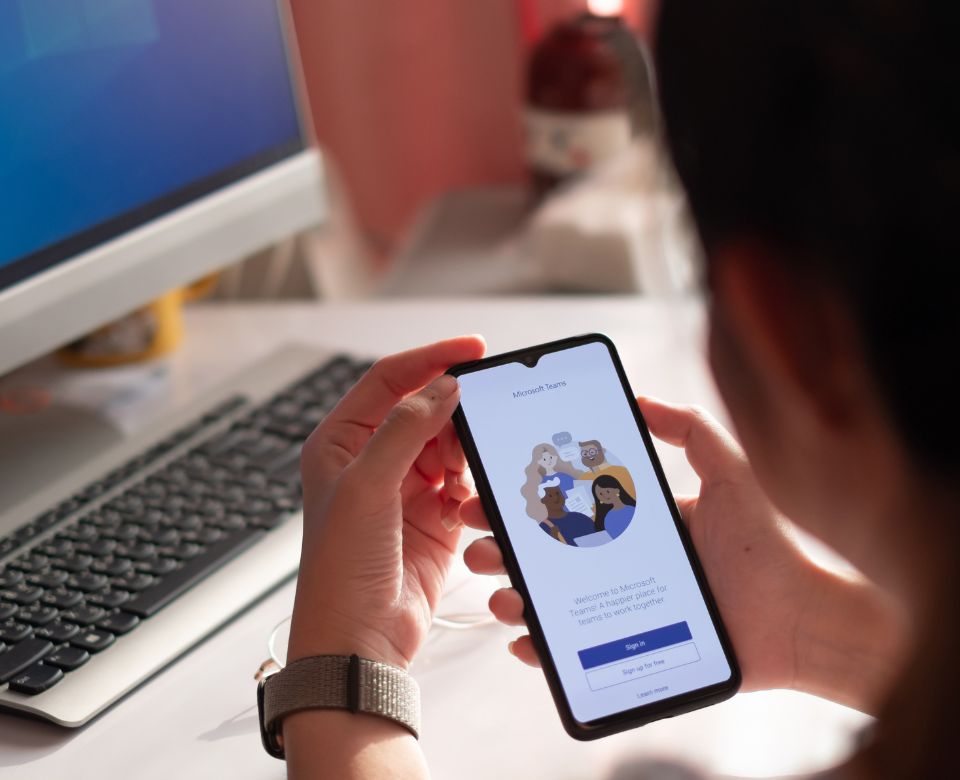
Finally, after the world of work has undergone one of the biggest transformations in recent decades, the study shows that 76% of companies believe that videoconferencing is here to stay, as is teleworking, with 65% showing openness to adopting it permanently as a flexible working policy. In this regard, 9% are even considering reducing their office space.
A total of 127 companies participated in this study, representing various sectors - notably industry, retail and services - most of which have a turnover of more than €26 million and, in general, employ at least 50 people, up to 1,000.
The study is available here.
Download the resource