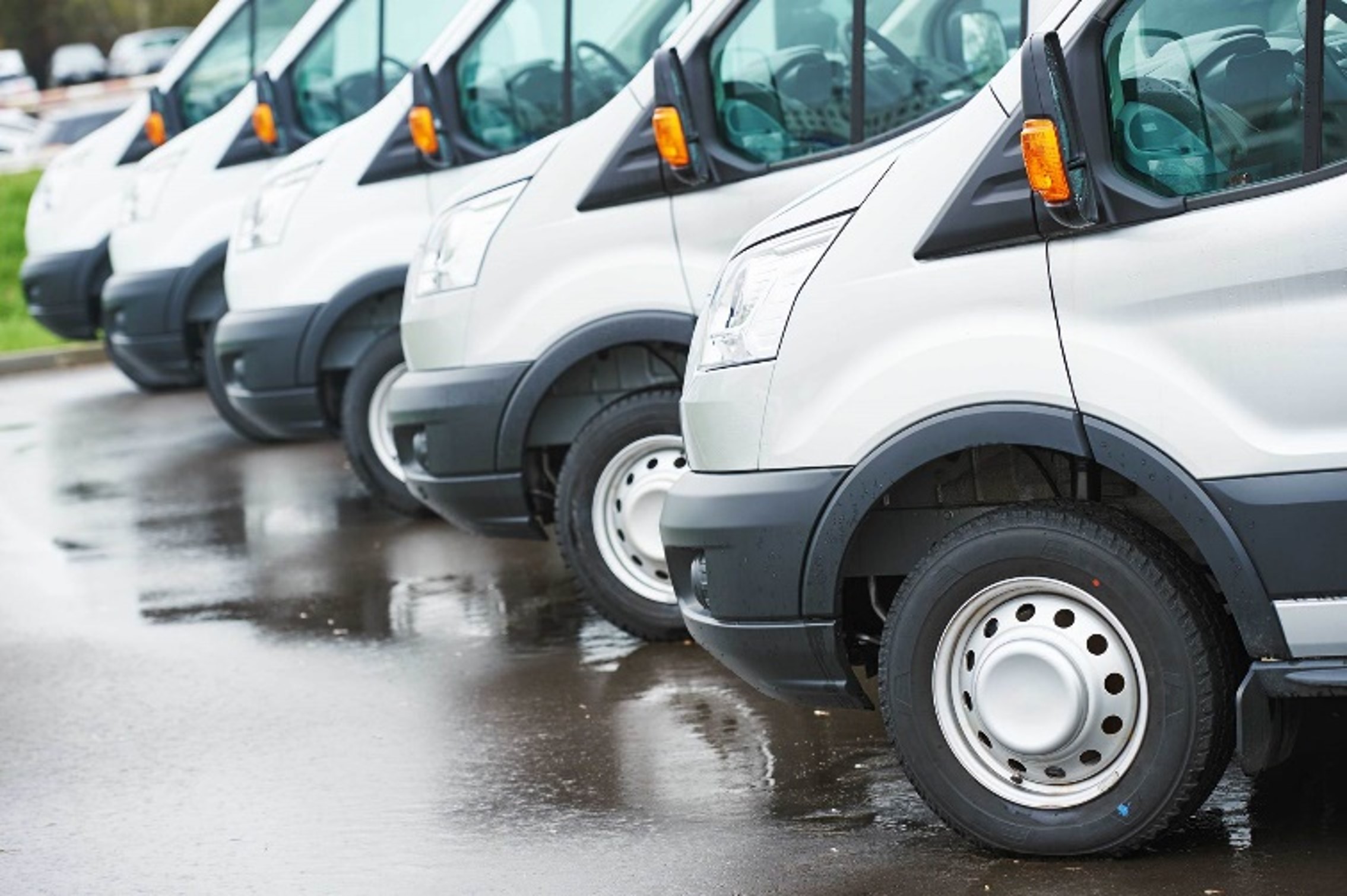

"Even with a strong desire to electrify its commercial vehicle fleet; until now there has been little choice in vehicles up to 3.5 tonnes. The Renault Kangoo and Nissan eNV200 have proven themselves; but these vehicles have limited range and are often used for very specific purposes. This year; we are seeing the launch of several commercial vehicle models with the same load capacity as their combustion engine equivalents and a range of over 300 km in summer and; more importantly; over 200 km in winter. It is this flexibility in range that will enable the new electric commercial vehicles to meet the needs of many more professionals.
In the small van range; Stellantis' offering is very interesting as a competitor to the Kangoo; but availability is still unpredictable. However; we hope to be able to secure delivery of these ePartner and eBerlingo models by the end of 2021. Available to order now in the range above; we have the eExpert and its equivalents from the Stellantis group with a range of 330 km and between 210 and 240 km in winter.
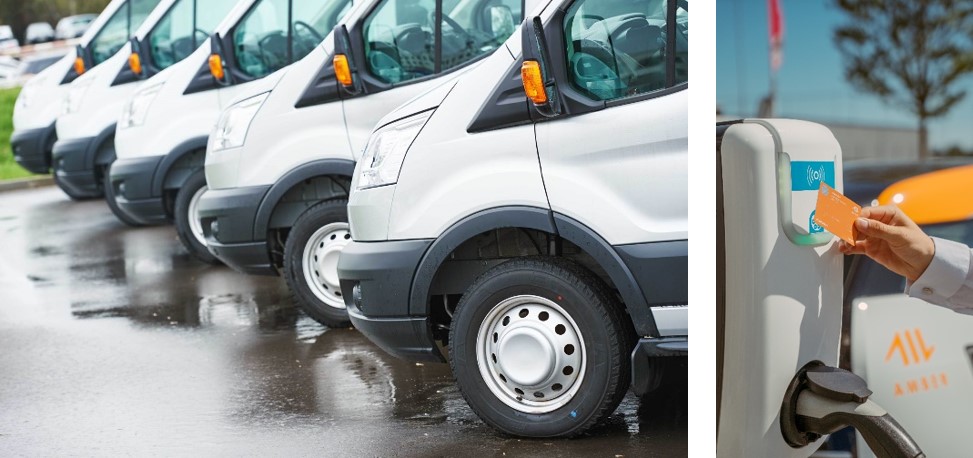
The Ford eTransit and Fiat eDucato are also very interesting competitors in the large van range; with a load equivalent to diesel and an electric range of at least 350 km (WLTP). Even in winter and on the motorway; the range increases to over 200 km; which will meet many more needs than the electric vehicles of previous years.
Technology is improving; but we must accept that using an electric vehicle requires more organization and careful driving than with diesel vehicles. You can save time at the pump by only charging the battery at home or at work; but it is essential to remember to plug in the vehicle in the evening to avoid the risk of a flat battery the next morning.
Tools are available to help us with this new daily routine; because if implemented correctly; the savings in terms of TCO (Total Cost of Ownership) will be significant. Charging at home or at work will be much cheaper than the cost of diesel; but it is important to avoid charging at public stations as much as possible; as rates vary greatly and can therefore eat into the expected savings.