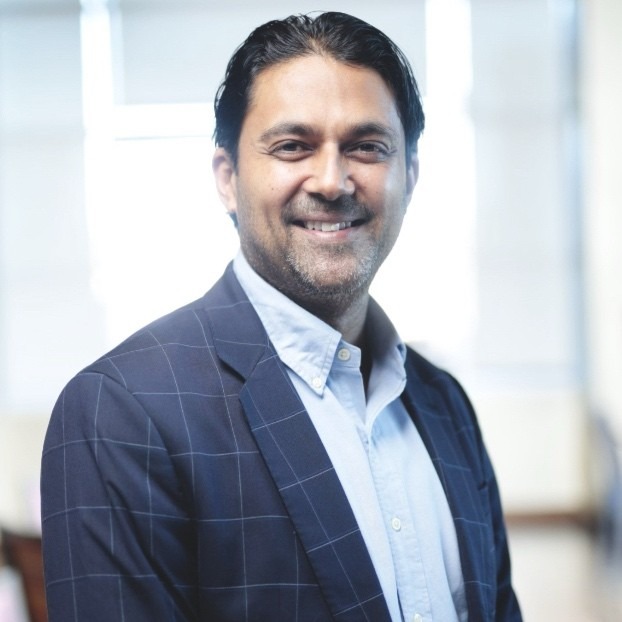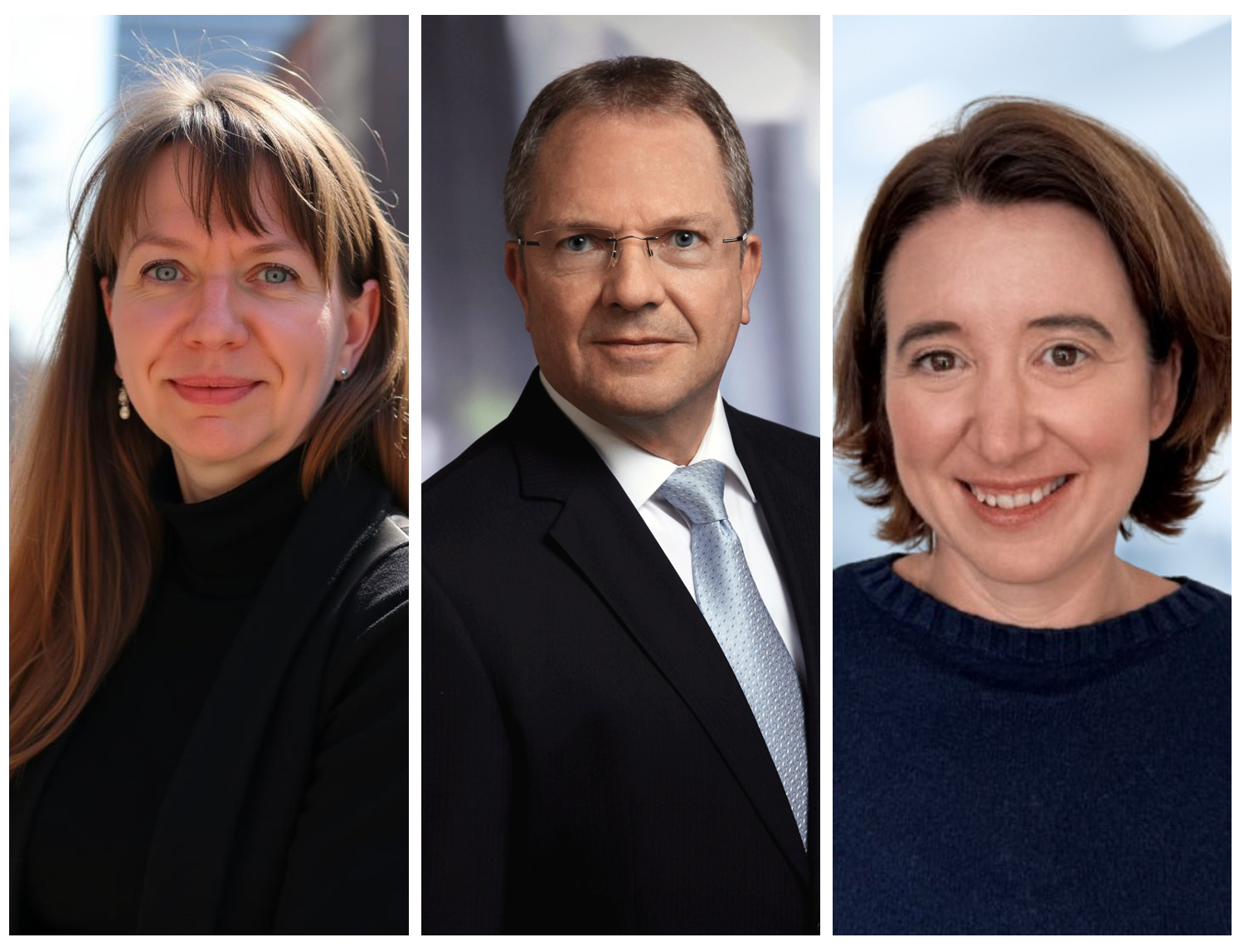
Can sustainability and cost optimisation go hand in hand? This is the question Alain D'Haese (Easyfairs) has been pondering for some time now. "Reviewing your expenditure is effective; of course; but you can achieve even more by involving customers and suppliers in this sustainability process;" says Serge De Gheldere; climate expert and CEO of Futureproofed.
What is the link between sustainability and cost optimisation?
Alain D'Haese; COO and Head of Venues at Easyfairs Belgium: "Our core business is organizing events. How can we make this business sustainable? This criterion is now essential. On the one hand; you are encouraged by the legislator – just think of greener mobility; where ERA Group supports us in a sustainable way. On the other hand; as a company; you have to make a conscious effort yourself. A year ago; we invested in a boiler that was £100;000 more expensive than the other options but consumed less gas. We consciously chose this more expensive solution. If you opt for an ecological approach; you will recoup your money sooner or later."Serge De Gheldere; CEO of Futureproofed: "In my view; the link between sustainability and cost optimisation is obvious. The consumption of raw materials and the destruction of ecosystems are the result of poor management. In many cases; renewable energy has become the cheapest form of energy. So it's no longer a question of idealism or corporate social responsibility!"
"By looking at the whole picture intelligently; taking the right measures in the right order; considering all the costs and benefits; and getting help from specialists such as ERA; you can achieve significant savings in terms of costs; energy; materials and CO2. Sometimes a slightly more expensive investment results in a lower total cost of ownership (TCO) or even lower investment costs.”
What role does the Green Deal play in this link?
Serge De Gheldere: “The carbon footprint is central to the Green Deal. Futureproofed advocates including it in the accounts and examining major cost items such as materials; energy and mobility. For example; we carried out one of the first carbon footprint assessments for Torfs Shoes. The company rigorously implemented the roadmap we defined. The resulting energy and cost savings were used to create an internal fund. They will use this to pre-finance the follow-up to the project.
Alain D'Haese: "As we work with reusable materials; we throw away virtually no materials. In the past; exhibitors would destroy their stands and another would come a few hours later to rebuild the same ones; which is crazy! Today; the stands remain and the exhibitors only take their logos away. And you save a lot of money that way. Often; it's the highest costs that have the biggest impact on CO2.”
“We recently invested £1.7 million in equipment that we used to rent and that was brought to our site from other warehouses by different lorries and suppliers. Now; all we have to do is move the equipment from our warehouse to the site using an electric forklift. We recouped this investment in four years. And ERA has enabled us to achieve sustainable savings in other areas such as energy and HVAC (heating; ventilation and air conditioning; editor's note).”
Serge De Gheldere: "Sweeping your own doorstep is effective; of course; but it only becomes really interesting if; like Easyfairs; you offer new products and services that make your activities more sustainable and help your customers take the step towards reducing carbon dioxide emissions. If you do; you have a head start. These measures also make it possible to distinguish the winners from the losers. Companies that are agile and adaptable and that reinvent themselves will benefit.”
Where does the feasibility factor lie for companies?
Serge De Gheldere: "It's not a drop-down menu: are we going to do it now or not; is it difficult or expensive... For many measures that need to be taken now; the cost-benefit analysis is clear. For other measures; it will be more expensive; but companies must implement them anyway to minimise the impact of climate change on society."