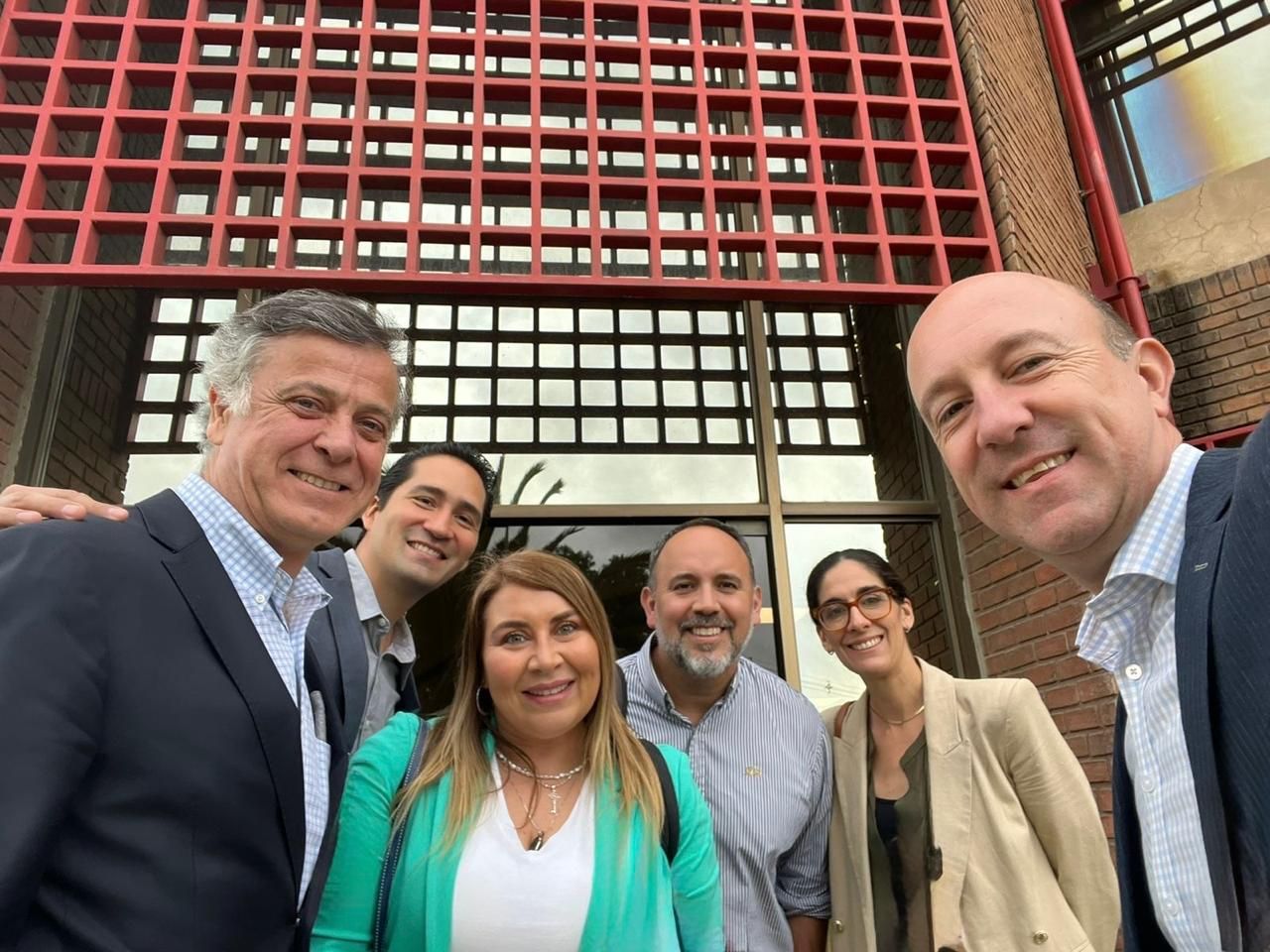

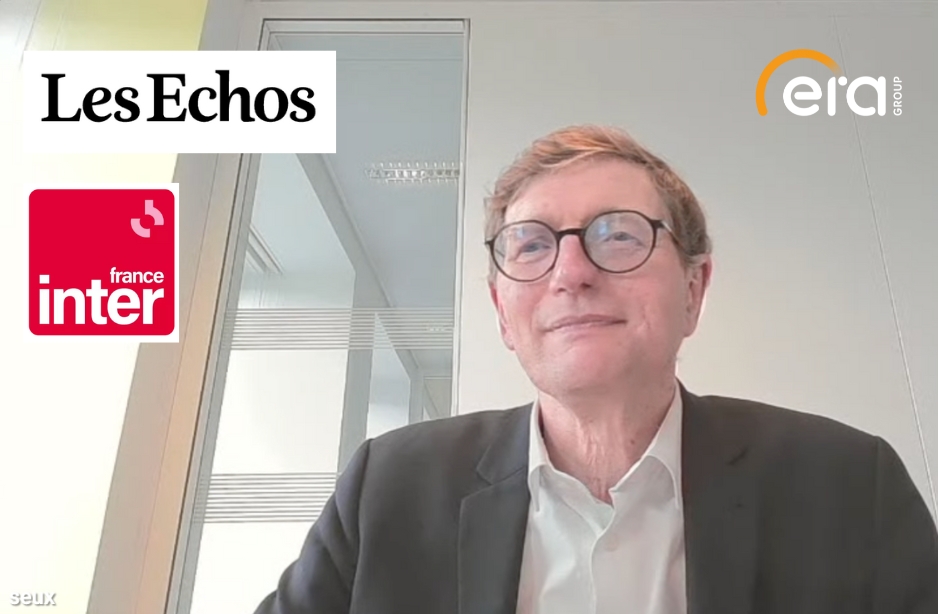
On Thursday 23 October, Dominique Seux shared with us his interpretation of the French economic situation in the last quarter of 2025, from a geopolitical perspective. Under the title "Businesses, rise up! Building prosperity in an uncertain world," he addressed business leaders to highlight the challenges to keep in mind and the strengths to capitalise on in 2026.
Here are six key ideas from his presentation:
1// Things are not so bad in France; our economic situation is not catastrophic
Life expectancy continues to increase, particularly in good health; the crisis in purchasing power is not as severe as we are led to believe, as evidenced by our European record in cultural consumption, private swimming pools, and a savings rate that has reached 19%. Growth is forecast at around 1% for 2026, with unemployment at 7.5% compared to the predicted 9%.
2// France stands out for its "quilt economy
"It cushions both downward and upward shocks, which protects us but also sometimes prevents us from rebounding. Some sectors are experiencing significant difficulties — real estate, automotive, chemicals/metallurgy — but others are doing well, such as aeronautics, defense, healthcare and services.
3// Power relations have taken hold in the economy and now count for more than the law
Competition is now more important than cooperation, and this trend is set to continue. It echoes the current preference for leaders who appear to "take strong action", even if it means "acting like madmen rather than weaklings". This phenomenon is amplified by a certain uninhibited communication driven by social media, which gives more weight to reactions and opinions than to the facts themselves.
4// Three structural issues need to be addressed urgently: the market economy, the cost of labour and the quantity of work.
France is the only Western country divided over the market economy model. Furthermore, the level of compulsory levies on labour has become dissuasive, leading to a TSS (Tout Sauf le Salariat, or "anything but salaried employment") effect. Finally, with an average of 664 hours of work per capita per year, compared to 774 hours in Europe, we have an overall quantity of work that is too low compared to our neighbours.
5// What is France's economic identity? For the British, it is insularity; for the Germans, production; for the Americans, innovation; for the Italians and Greeks, history and heritage. France, for its part, stands out for its creativity, as it proved to the whole world during the Olympic Games. We must dare to promote it, and our companies have the legitimacy to do so!
6// Three priorities are essential for leaders over the next five years: keeping an eye on the geo-economy and stock markets, and daring to speak out
In this period of transition, where the most media-savvy figures are shaking up politics, it is urgent that economic players learn to speak as loudly as the loudmouths. For example, what is the position of our medium-sized companies on the Zucman tax? Business leaders, dare to speak up to explain, embody and recount the creation of real value, taking advantage of technological, health and entrepreneurial advances!