


Challenges and Opportunities in Logistics and Transport in Guatemala and the Region
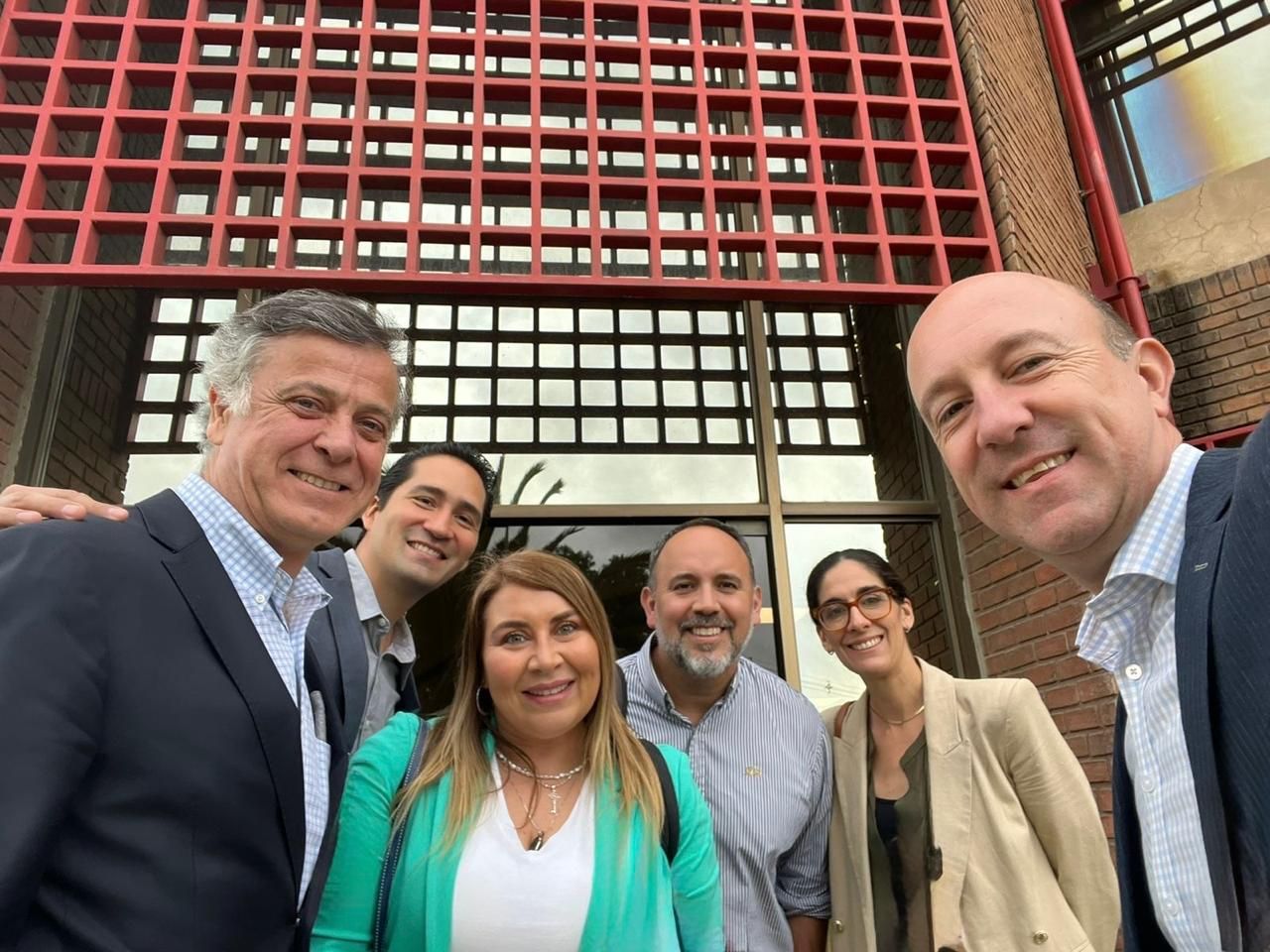
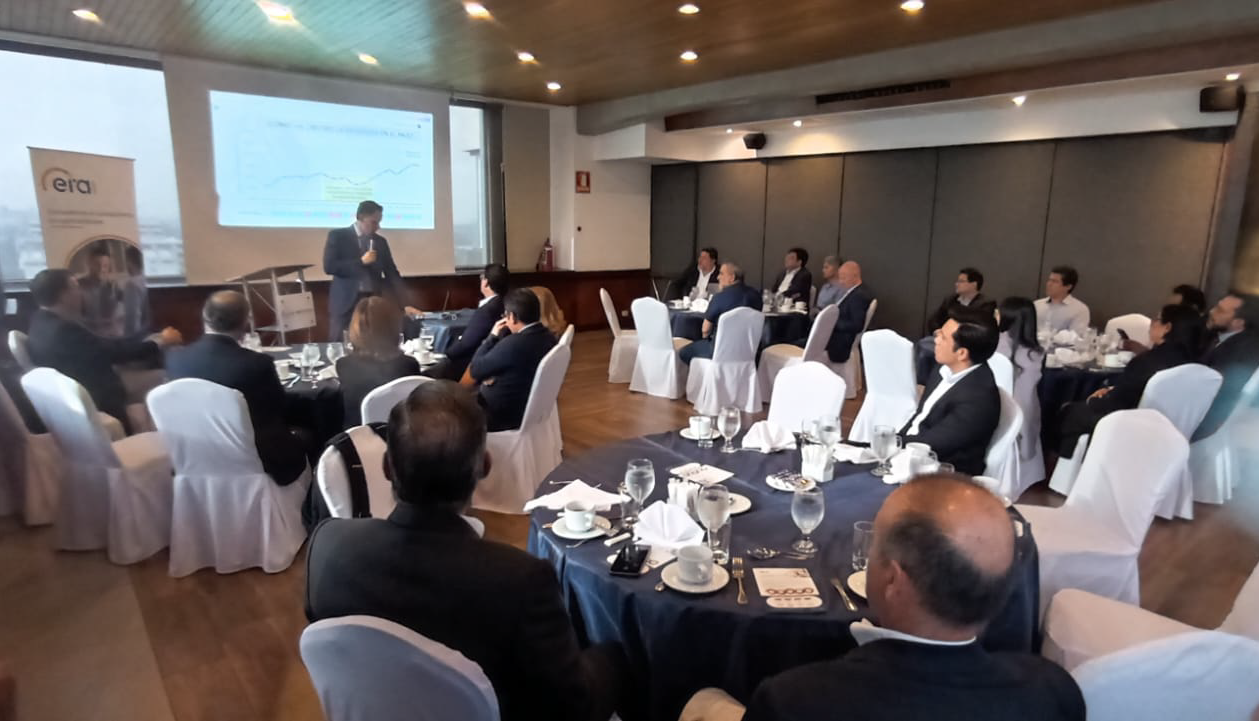
On 20 February 2025; ERA Group organized the first executive breakfast; "The Era of Business Transformation"; in Guatemala City.
The event brought together more than 25 executives and leaders from the business sector to discuss infrastructure and transport challenges in the region; as well as innovative strategies to improve efficiency and optimise costs.

The event kicked off with a general presentation on ERA Group by our Director for Central America and the Caribbean; Rafael Cuestas Rolz; and our expert consultant on logistics issues for Latin America; Orlando López.


Road Network Assessment: A Challenge for Competitiveness
One of the highlights was the presentation by Juan Carlos Zapata; Director General of FUNDESA; who addressed the issue of road infrastructure in Guatemala.
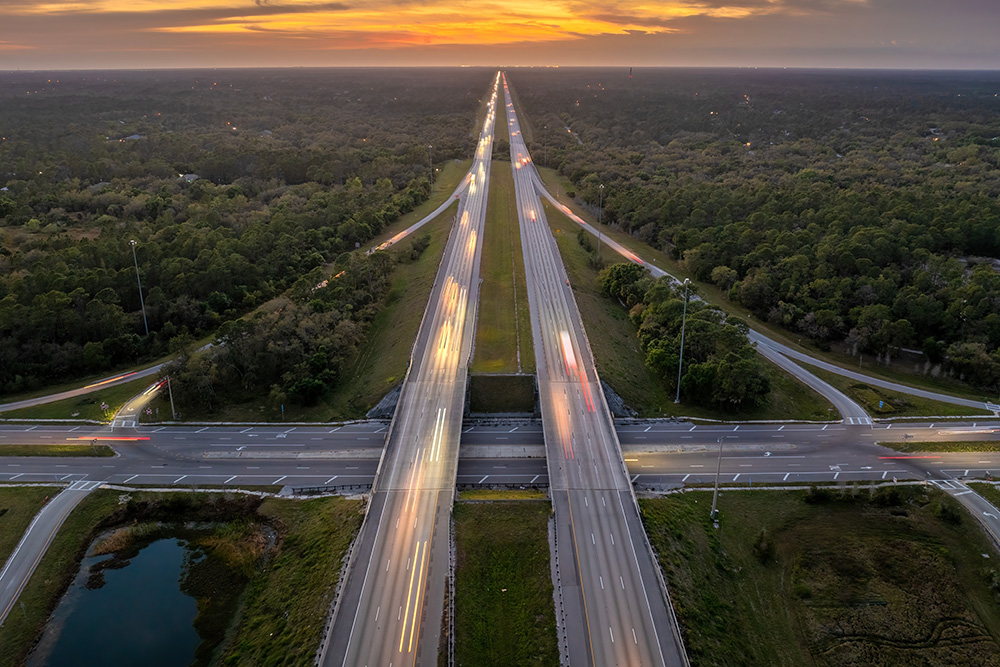
According to the diagnosis presented; the country has 18;870 km of road network; of which 60% is in poor condition or unpaved. This has a direct impact on business logistics; generating:
• Increased operating costs due to fleet deterioration and higher fuel consumption.
• Delays in the supply chain; affecting the competitiveness of companies.
• Loss of opportunities in international markets due to high logistics costs.
Zapata highlighted the Priority Road Infrastructure Law (Decree 29-2024) as a possible solution; which seeks to improve the planning and financing of road projects through public-private collaboration.
Success Stories in Logistics Optimisation
The event also featured two international consultants from ERA Group; who shared cost optimisation strategies applied in different countries:
• Luis Valero (Spain) presented a success story in reducing logistics costs through efficient land transport routes. His analysis showed how a strategic reconfiguration of routes managed to reduce delivery times and operating costs by up to 15%.
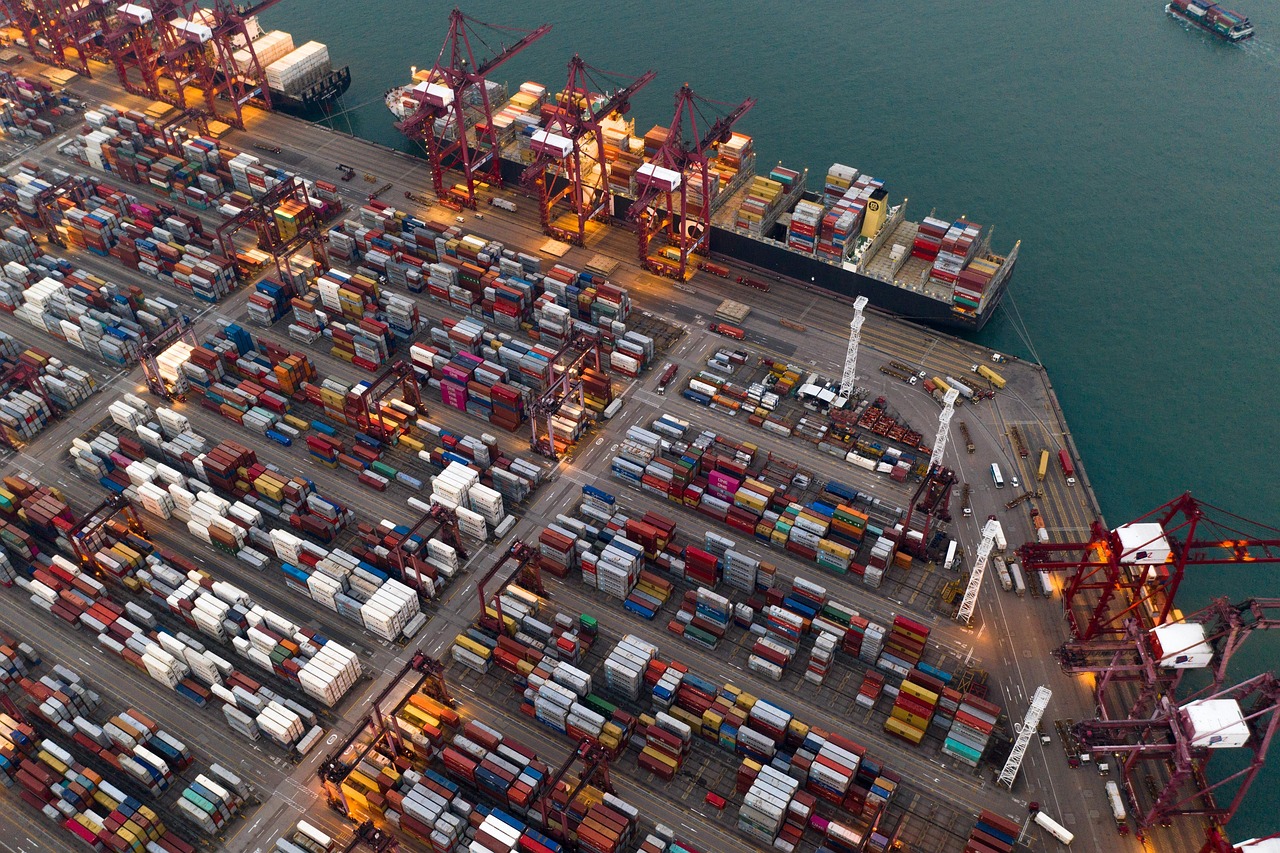
• Edgar Urrutia (Panama) provided an overview of the current situation of the Panama Canal and strategic alliances between maritime transport companies. He explained how variability in water levels and canal tariffs are affecting logistics operations in the region; forcing companies to seek alternatives in routes and modes of transport.
Conclusions
The event allowed attendees to identify key strategic actions to improve their logistics performance and optimise costs:
I. Leverage technology and data to improve route planning and avoid unnecessary costs.
II. Explore new alliances and multimodal transport models to mitigate risks in the supply chain.
III. Collaborate with the public and private sectors to promote infrastructure projects that facilitate trade and mobility.
ERA Group reaffirmed its commitment to supporting companies in the search for hidden opportunities within their cost structures; providing customised solutions and optimisation strategies to improve profitability and competitiveness in the region.
With events such as this; ERA Group continues to highlight opportunities for the business sector; providing tools to face the challenges of the present and move towards a more efficient and competitive future.