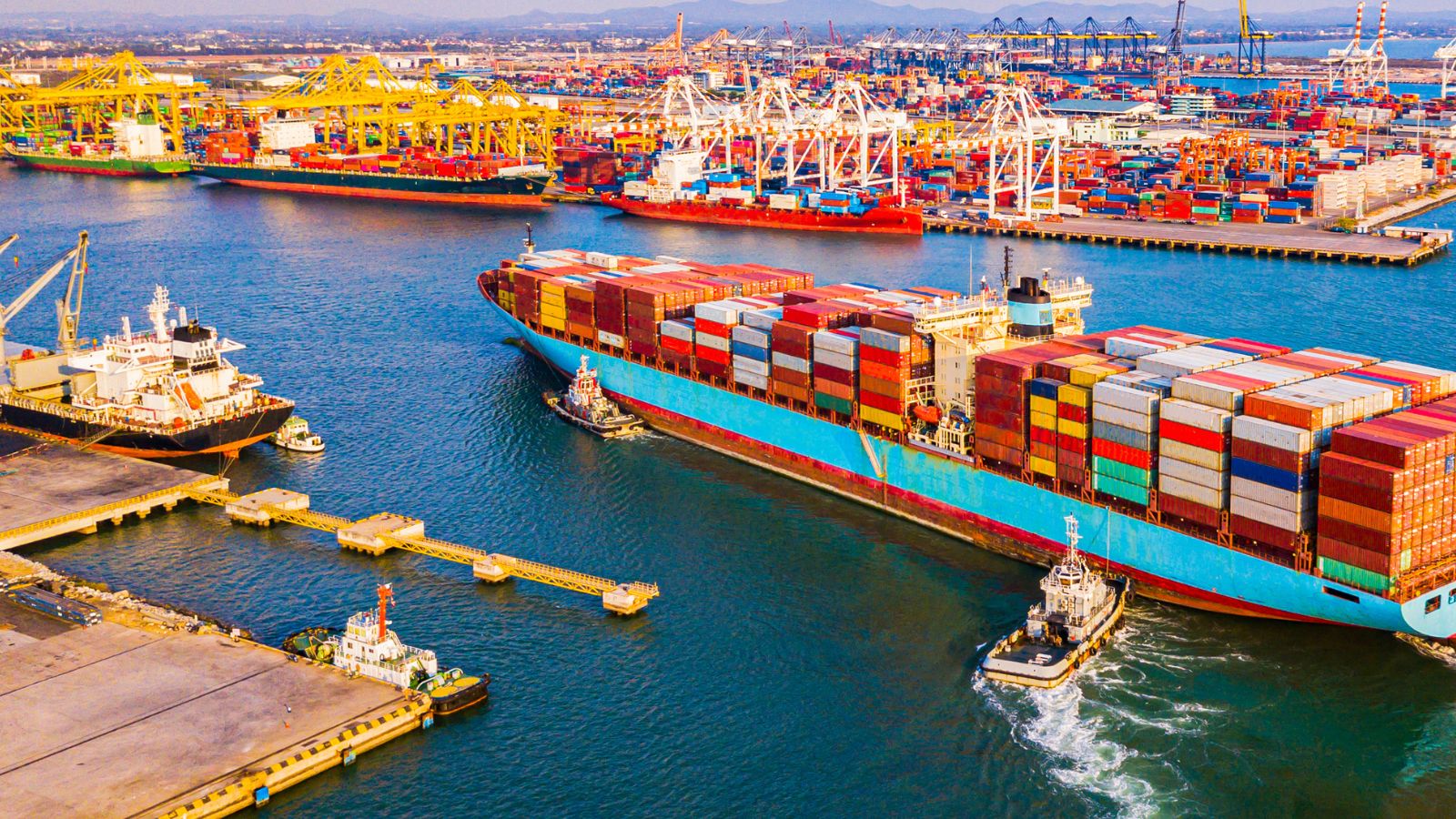


We are going through what is perhaps the greatest disruption to the economy in our lifetimes. The great storm that shakes everything. If each company is a boat, we are traveling in different boats. Some seem to have been built exactly for these conditions and thrive in them, others will only weather the storm by luck. Many will suffer damage, but they will survive, perhaps even stronger.
Within each of our organizations, we can largely say that we are all in the same boat – if this is communicated to the team transparently and truthfully. If this feeling is shared, then resistance to change falls away. Innovation, cost management, new markets, everything can be optimised and become part of the path to preserving what is most important: people and their role in teams that have taken so much work to build and that few want to waste.
Before the coronavirus crisis, thinking that costs were under control was bad (although very common), now it is a serious illness. I know from experience, without a doubt, that all companies can reduce their costs without affecting staff. So where to start?
Over 100 years ago, while counting the peas produced in his small vegetable garden, a gentleman discovered a strange relationship: about 80% of the peas came from 20% of the pods. Strangely, this coincided with another of his findings: that approximately 80% of the land in Italy belonged to 20% of the population. This gentleman, Vilfredo Pareto, was a professor of economics and discovered that this 80/20 relationship persisted in a wide range of situations and historical contexts.
The 80/20 rule also applies to costs in general, which is why starting by listing costs in descending order and analyzing the largest ones is the obvious way to begin. I would add another step: highlighting some "low-hanging fruit". Starting a large-scale cost-cutting project with victories, even if they are easy, instils a shared sense of possibility. Many ships will sink, even among the well-managed ones.
Having a culture of continuous questioning and improvement reduces the chances of being among the victims of this phase. It is vital to have the humility to recognize that there is room for improvement and learning. Fundamental to implementing a culture of cost management is sharing the objectives with all employees, explaining why they are important for the common future and what you want to transform that future into. A clear vision motivates great ideas. Measuring and sharing the results achieved is the engine of continuity.