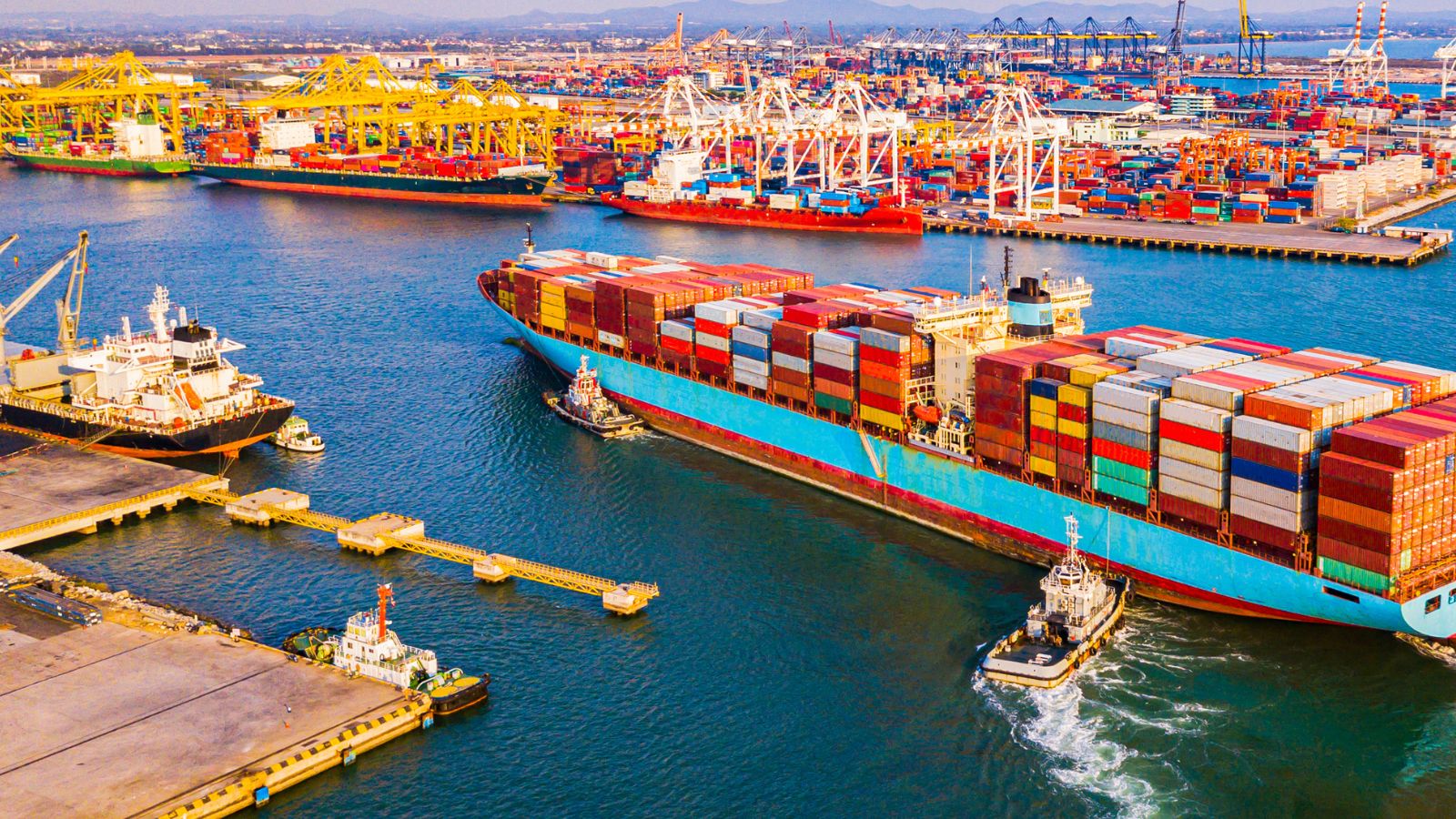
Freight of goods by sea accounts for more than 80% of the total amount of goods transported in the world. While sea freight is more environmentally friendly than other modes of transport, environmental organizations have long pushed for greater environmental awareness and action among shipowners.
The industry is now facing stricter environmental requirements. The UN organization, International Maritime Organization (IMO), has implemented new rules which require significant reductions in the sulphur content of exhaust fumes, from a maximum of 3.5% to 0.5%. This requirement has been introduced in local areas in recent years, for example in the North Sea and Baltic Sea, and is soon set to become a globalised rule. Ship owners have, with reservations, spoken positively about the requirement, and are working actively to ensure compliance by purchasing low-sulphur fuel, installing scrubbers on board vessels and using nanotechnology. The approach is different, but most ship operators will rely on purchasing low-sulphur fuel by the 1st January 2020 deadline – a fuel type that is already more expensive than the more popular types available today, and which will undoubtedly become more expensive as demand rises.
But how environmentally friendly have the ship owners become in light of new requirements? Apparently not much. During September 2018, the three largest container shipping lines (Swiss/Italian MSC, French CMA-CGM and Danish Maersk Line) announced that they will introduce a new fuel (bunker) surcharge to cover the increasing costs.
Offhand, this is understandable; however, cargo owners are not happy. Partly because of the lack of transparency in the correlation between the actual costs and the charged amounts, especially since the new fuel surcharges are scheduled to be implemented by 1st January 2019 – one year before the new requirements become mandatory. In addition, successful implementation of the surcharge can reduce the ship operators' motivation to truly control their costs and support the environment.
Ultimately, it will be supply/demand which will determine the total transport costs, but look out to see which ship owners and operators will change to become more environmentally aware, beyond what is dictated by law.
If you operate in the maritime industry, environmental issues and costs can have a significant impact on your bottom line. If you are considering making changes or want to know more about how to reduce your costs, contact ERA Group today for more information.